Homemade vs Commercial Pet Food: Which Is Better for Your Pet?
How to Choose Between Homemade and Commercial Pet Food.
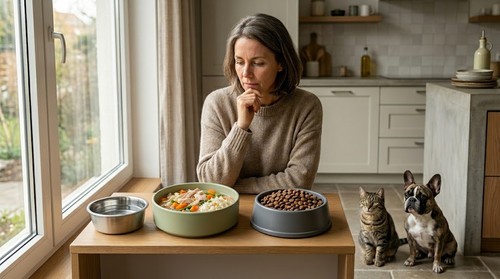
It usually starts with love.
A pet owner looks at a bowl of kibble, then at their dog or cat, and thinks:
“Wouldn’t real home-cooked food be better than this?”
It feels logical.
It feels caring.
It feels more natural.
And sometimes, it can be.
But sometimes, it can also create serious nutritional gaps that are hard to spot until health problems begin.
That is why the question homemade vs commercial pet food is so important.
This is not just a debate about convenience.
It is a decision about:
- nutrition
- safety
- balance
- long-term health
- and whether your pet is actually getting what their body needs
Quick Answer (Snippet-Ready)
👉 Homemade pet food can work, but only if it is properly balanced.
👉 Commercial pet food is usually safer and more nutritionally complete for most owners.
👉 The best choice depends on your pet’s needs, your consistency, and whether the diet is truly complete.
Why This Choice Matters More Than Owners Think
Food is not just fuel.
For dogs and cats, diet affects nearly everything:
- digestion
- skin and coat quality
- muscle maintenance
- immunity
- weight control
- activity levels
- long-term disease risk
A pet may seem fine for weeks or even months on an unbalanced diet. But deficiencies do not always appear immediately. They can build slowly.
That is what makes this topic tricky.
A bowl can look healthy to a human eye and still be incomplete for a pet.
This is especially important for cats, who have stricter nutritional requirements than dogs, and for small dogs, seniors, puppies, and pets with digestive sensitivity.
What Is Homemade Pet Food?
Homemade pet food usually means food prepared by the owner at home using fresh ingredients.
This might include:
- chicken
- turkey
- beef
- fish
- rice
- pumpkin
- sweet potato
- vegetables
- oils
- supplements
Some owners choose homemade diets because they want more control. Others switch because of allergies, digestion issues, or distrust of mass-market pet food.
There is also an emotional reason.
When people cook for their pets, it feels personal. It feels loving. It feels closer to feeding a family member than opening a bag.
And that emotional pull is real.
But homemade food is only as good as its formulation.
A fresh-looking meal is not automatically a balanced one.
What Is Commercial Pet Food?
Commercial pet food includes:
- dry kibble
- wet canned food
- pouches
- fresh commercial meals
- prescription diets
- complete frozen products
The biggest advantage of quality commercial food is this:
it is designed to be nutritionally complete.
That means the food is formulated to provide the required balance of:
- protein
- fats
- vitamins
- minerals
- amino acids
- energy density
According to FEDIAF, the European pet food industry federation, nutritional guidelines are used to support the formulation of complete and complementary pet food for dogs and cats. That is one reason many commercial diets are more reliable than owner-created meals that are not professionally balanced.
Homemade vs Commercial Pet Food: The Real Difference
At first glance, the difference looks simple:
- homemade = fresh
- commercial = processed
But in reality, the deeper difference is this:
Homemade food is ingredient-controlled
Commercial food is nutrient-controlled
That distinction matters.
With homemade food, owners usually know exactly what goes into the bowl. That can be helpful if a pet has sensitivities or if you want to avoid specific ingredients.
With commercial food, the manufacturer is responsible for balancing nutrients at scale. That reduces the risk of missing something essential.
So the real question is not:
“Which sounds healthier?”
It is:
“Which option gives my pet complete, safe, consistent nutrition over time?”
Benefits of Homemade Pet Food
There are real reasons why some owners prefer homemade diets.
1. Ingredient transparency
You know exactly what you are using.
That can be helpful if your pet reacts badly to certain proteins, fillers, or additives.
2. Customization
Homemade food can be adjusted based on:
- ingredient preferences
- sensitivities
- texture needs
- medical recommendations
3. Freshness
Many owners feel better using freshly cooked ingredients than heavily processed food.
4. Palatability
Some pets simply find homemade food more appealing.
This can matter for:
- picky eaters
- senior pets
- pets recovering from illness
- dogs refusing food
If you are dealing with appetite issues, this guide may also help:
[How Much Should I Feed My Dog?]
👉 Not sure how much to feed your dog? See our full feeding guide:
https://fammo.ai/en/blog/how-much-should-i-feed-my-dog/

Risks of Homemade Pet Food
This is where many articles stay too shallow.
Homemade diets are not dangerous because they are homemade.
They become risky when they are incomplete, inconsistent, or based on guesswork.
1. Nutrient deficiencies
This is the biggest issue.
Dogs and cats need more than protein and vegetables. They also need precise levels of minerals, fatty acids, and vitamins.
Cats especially need nutrients like taurine and certain amino acids in the right amounts.
A meal can look “natural” and still be nutritionally weak.
2. Poor calcium-phosphorus balance
Improper mineral balance can affect bones, teeth, and growth, especially in puppies and kittens.
3. Inconsistency
Homemade diets often vary from day to day.
A little more meat one day, less the next, no supplement for a week, extra rice another day.
That inconsistency makes long-term balance difficult.
4. Unsafe ingredients
Many human foods should not be fed casually to pets.
5. Time and accuracy
A truly balanced homemade diet is not just cooking. It is formulation, measuring, supplementing, and reviewing.
That is a much bigger commitment than most owners expect.
According to the Royal Veterinary College, pet diet recommendations should take into account species, breed, age, lifestyle, health, and weight. That is exactly why a one-size homemade recipe can fail quickly.
External reference:
https://www.rvc.ac.uk/small-animal-vet/general-practice/practice-services/routine-pet-healthcare/pet-nutrition-pet-diet
Benefits of Commercial Pet Food
Commercial food is not just about convenience, when chosen correctly, it provides structured and reliable nutrition.
1. Nutritional completeness (when properly labeled)
A high-quality commercial pet food is designed to meet complete nutritional standards.
👉 A proper label usually includes:
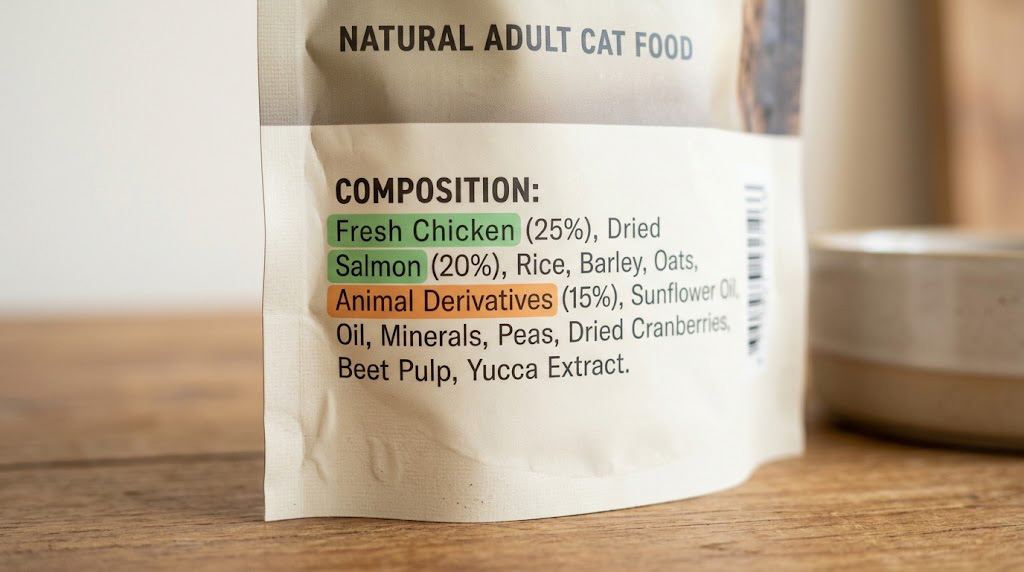
- clearly named protein sources (e.g., chicken, salmon, not “meat derivatives”)
- guaranteed analysis (protein, fat, fiber, moisture)
- added vitamins and minerals
- feeding guidelines based on weight
This reduces the risk of missing essential nutrients.
2. Consistency and predictability
Each serving delivers a similar nutritional profile.
That consistency helps with:
- digestion stability
- weight control
- tracking health changes
3. Convenience (that improves consistency)
A diet only works if you can follow it long-term.
Commercial food makes it easier to:
- measure portions
- store safely
- feed consistently
4. Life-stage and condition targeting
Many products are designed specifically for:
- small breeds
- indoor pets
- sensitive digestion
- weight control
👉 Explore the best dog food options for small breeds based on size and metabolism.
5. Easier adjustment when problems appear
If your pet develops an issue (e.g., vomiting or low appetite), it is easier to switch between known commercial formulas than to rebuild a homemade diet from scratch.
Weaknesses of Commercial Pet Food
Not all commercial pet food is created equal.
The biggest problem is not that food is commercial.
it’s that some products are low quality or misleadingly marketed.
1. Vague ingredient language
Some labels use unclear terms like:
- “meat derivatives”
- “animal by-products”
- “cereals” (without specifics)
👉 These do not tell you the real quality of the food.
2. Marketing vs reality
Packaging may highlight:
- “natural”
- “premium”
- “grain-free”
But these words do not guarantee nutritional quality.
3. Lower moisture in dry food
Dry food (kibble) contains less water, which may affect:
- hydration (especially in cats)
- urinary health
👉 This is why some owners combine dry and wet feeding:
Compare wet vs dry cat food to understand which option suits your cat better.
4. Ingredient quality variation
Two brands can look similar but differ significantly in:
- protein quality
- digestibility
- nutrient absorption
Always prioritize ingredient clarity over branding.
How to Compare Homemade and Commercial Pet Food Properly
A lot of owners compare the wrong things.
They compare:
- appearance
- smell
- “natural” feeling
- emotional comfort
Instead, compare these:
1. Nutritional balance
Does the diet cover all essential needs?
2. Digestive response
How does your pet actually do on it?
3. Weight stability
Is your pet maintaining a healthy body condition?
4. Energy and coat quality
Are they thriving, not just eating?
5. Sustainability for you
Can you do this correctly every single week?
That final point matters more than people think.
A perfect homemade plan that lasts ten days is worse than a good balanced commercial plan followed consistently for two years.
Dry vs Wet vs Homemade (Decision Stage Comparison)
Many owners are not really choosing between homemade and commercial in general.
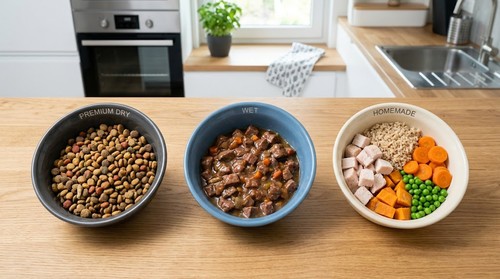
They are choosing between:
- homemade food
- dry commercial food
- wet commercial food
- a mixed feeding strategy
Here is the practical comparison:
| Option | Main Strength | Main Risk | Best For | Cost Level |
|---|---|---|---|---|
| Dry Food | Convenient, affordable | Low moisture, lower palatability | Busy owners, budget feeding | Low |
| Wet Food | High moisture, tasty | More expensive, shorter shelf life | Cats, picky eaters | Medium |
| Homemade Food | Full ingredient control | Risk of nutritional imbalance | Owners with time & knowledge | High |
Can Homemade Pet Food Be Better Than Commercial?
Yes, but only under specific conditions.
Homemade can be better when:
- it is formulated properly
- it matches the pet’s medical needs
- it is consistent
- it includes correct supplementation
- it is reviewed over time
Without those conditions, homemade is not automatically better.
It is just fresher.
And freshness alone is not enough.
That sentence matters, because many owners confuse “fresh” with “complete.”
They are not the same.
Can Pets Thrive on Commercial Food Alone?
Yes, many do.
A quality complete commercial diet can support healthy dogs and cats very well.
PDSA notes that a complete commercial diet is generally the safest way to make sure pets receive the nutrients they need when fed correctly according to weight and age.
External reference:
https://www.pdsa.org.uk/pet-help-and-advice/looking-after-your-pet/all-pets/raw-diets
That does not mean every commercial product is ideal.
It means that a properly selected complete diet is often safer than an unbalanced homemade one.
Common Mistakes When Switching from Commercial to Homemade Food
Many problems happen not because of the food itself, but because of how the transition is done.
1. Switching too fast
Sudden changes can cause:
- vomiting
- diarrhea
- food refusal
👉 Always transition gradually.
2. Removing supplements
Many homemade diets lack:
- calcium
- essential vitamins
- fatty acids
Removing supplements creates hidden deficiencies.
3. Copying internet recipes blindly
Not all recipes are balanced.
A recipe that works for one pet may not work for another.
4. Using the same recipe for dogs and cats
This is a critical mistake.
Cats and dogs have very different nutritional needs.
5. Ignoring early warning signs
Watch for:
- vomiting
- low energy
- coat changes
👉 Related:
https://fammo.ai/en/blog/cat-vomiting-after-eating/
What Ingredients Matter Most?
Not all ingredients are equal, and not all labels are easy to understand.
1. Protein source clarity
Always look for named protein sources:
✔ chicken
✔ salmon
✔ lamb
❌ avoid:
- “meat meal”
- “animal derivatives”
👉 Clear naming = higher transparency and usually better quality.
2. Digestibility matters more than “natural look”
A meal may look healthy to you but still be hard to digest.
👉 What matters:
- how well nutrients are absorbed
- how your pet responds (energy, stool, coat)
3. What to scan first on labels
When checking a commercial product:
- first ingredient → should be protein
- protein percentage
- fat content
- added vitamins & minerals
4. Avoid overloading carbohydrates
Too many fillers can lead to:
- weight gain
- low energy
- digestive issues
👉 Related guide:
https://fammo.ai/en/blog/how-much-should-i-feed-my-dog/
Homemade Food for Dogs vs Homemade Food for Cats
This deserves its own section because it is one of the biggest owner mistakes.
Dogs
Dogs are more flexible than cats in diet structure. That does not mean anything goes, but it means building a balanced homemade plan is generally more forgiving.
If your audience has Dogs, this related article is a useful next step: Dog not eating what todo?
Cats
Cats are far less forgiving.
They are obligate carnivores and have stricter nutrient requirements. A homemade cat diet done casually is much more likely to become unbalanced.
If your audience has cats, this related article is a useful next step:
👉 Discover the best diet for indoor cats and how their needs differ from outdoor cats.
Cost: Is Homemade Really Cheaper?
Many owners expect homemade food to save money.
Sometimes it does not.
Once you include:
- quality meat
- supplements
- oils
- storage
- preparation time
- waste
- recipe consistency
the real cost can rise fast.
Commercial food can look expensive up front, but it often saves time, reduces mistakes, and simplifies portioning.
So the better question is:
Which option is more sustainable for your budget and your routine over six months, not six days?
How to Choose the Right Option for Your Pet
If you are at the decision stage, do not ask:
“Which side wins?”
Ask:
1. Does my pet have special needs?
Allergies, weight issues, digestive problems, low appetite, urinary risk?
2. Can I stay consistent?
Can you prepare, measure, supplement, and store properly every week?
3. Am I choosing based on evidence or emotion?
Love matters. But food decisions still need structure.
4. Is the diet complete?
This is the most important question of all.
According to the British Veterinary Association, owners choosing diets for dogs and cats should focus on healthy, balanced feeding decisions rather than trend-driven assumptions.
External reference:
https://www.bva.co.uk/take-action/our-policies/diet-choices-for-cats-and-dogs/
Signs Your Current Diet May Not Be Working
No matter what type of food you choose, watch for these signs:
- chronic loose stool
- frequent vomiting
- dull coat
- low energy
- itching
- repeated hunger
- weight gain
- weight loss
Food decisions should always come back to the pet in front of you.
Not the trend.
Not the packaging.
Not the internet argument.
If vomiting after meals is part of the picture, this article can help:
👉 Learn more about why cats vomit after eating and what it means for their diet:
https://fammo.ai/en/blog/cat-vomiting-after-eating/
Practical Recommendation for Most Owners
Here is the most honest answer:
For most households, a high-quality complete commercial food is the safest starting point.
It is:
- easier to use
- easier to portion
- more consistent
- more likely to meet nutritional standards
Homemade food can absolutely have a place.
But it should usually be approached as a structured nutrition plan, not an improvised kitchen habit.
That means if you want homemade, do it seriously.
If you want convenience, choose commercial carefully.
If you want flexibility, consider a mixed approach that still respects nutritional completeness.
Is homemade pet food better than commercial pet food?
Not automatically. Homemade pet food can be excellent if it is properly balanced, but for most owners a high-quality complete commercial diet is safer and easier to maintain.
Can I feed my dog homemade food every day?
Yes, but only if the recipe is nutritionally complete and consistent over time.
Can cats eat homemade food safely?
Yes, but homemade cat diets are harder to balance correctly than dog diets and should never be done casually.
What is the biggest risk of homemade pet food?
The biggest risk is nutritional imbalance, especially missing essential vitamins, minerals, and amino acids.
Is wet food better than homemade food?
Not always. Wet food may be more balanced and practical, while homemade food offers ingredient control. The right answer depends on formulation quality and your pet’s needs.
How do I know if my pet food is complete?
Check whether the food is designed as a complete diet and whether your pet maintains healthy weight, digestion, energy, and coat condition over time.
Conclusion
The homemade vs commercial pet food debate is not really about which option sounds nicer.
It is about which option gives your pet the safest, most complete, most sustainable nutrition.
Homemade food offers control, customization, and freshness.
Commercial food offers consistency, completeness, and convenience.
The better choice is the one that matches your pet’s biology, your ability to stay consistent, and the real nutritional quality of the bowl.
That is what responsible feeding looks like.
Still unsure whether homemade or commercial food is right for your pet?
👉 Don’t guess based on labels, trends, or emotion alone.
FAMMO analyzes your pet’s diet, activity, and health data to help you make clearer feeding decisions based on real needs.
Start here:
https://fammo.ai/en/