
If your dog suddenly stops eating, the first question is whether this is a short-term change in appetite or a sign that something may be wrong.
Dogs may eat less because of stress, a change in routine, mild digestive discomfort, dental pain, too many treats, or an underlying health problem. What matters most is how long the appetite change lasts and whether other symptoms appear.
Vomiting, diarrhea, unusual tiredness, pain, bloating, or unexplained weight loss can make appetite loss more concerning and may mean your dog needs veterinary attention.
In this guide, you’ll learn the common reasons dogs stop eating, what you can safely check at home, which warning signs need veterinary attention, and what information can help your vet understand the problem faster.
Quick Answer: What Should You Do If Your Dog Is Not Eating?
If your dog is not eating, first look at the whole picture, not just the food bowl. A change in appetite can happen because of stress, a change in routine, too many treats, digestive discomfort, dental pain, or an underlying health problem.
Check whether your dog is still drinking, behaving normally, and interested in food. Also notice whether your dog has no interest in eating or wants to eat but seems unable to chew, swallow, or keep food down. That difference can help your veterinarian understand what may be happening.
If your dog otherwise seems well, check the food, feeding routine, recent diet changes, treats, and anything unusual that happened that day. Do not keep switching foods or adding new ingredients just to make your dog eat.
Contact a veterinarian if the loss of appetite continues, keeps returning, or appears with warning signs such as vomiting, diarrhea, unusual tiredness, pain, a swollen abdomen, difficulty breathing, or unexplained weight loss.
The key point: appetite loss is a symptom, not a diagnosis. If your dog seems unwell, do not wait for the appetite to return on its own.
Table of Contents
- When Should You Worry If Your Dog Is Not Eating?
- Why Is My Dog Not Eating? Common Causes
- Does Your Dog Want to Eat but Can’t?
- What Can You Safely Do at Home If Your Dog Won’t Eat?
- What Should You Avoid Doing If Your Dog Won’t Eat?
- What Should You Track Before Calling the Vet?
- How Can You Support a Healthy Appetite Over Time?
- Frequently Asked Questions About Dogs Not Eating
When Should You Worry If Your Dog Is Not Eating?
A missed meal does not always mean something serious is wrong. What matters is how your dog feels overall, how long the appetite change continues, and whether other symptoms appear.
Contact your veterinarian if your dog keeps refusing food, the problem keeps coming back, or your dog is not acting normally. Veterinary guidance from VCA Animal Hospitals on loss of appetite in dogs also highlights that reduced appetite can have many possible causes and should be evaluated in the context of the dog’s overall health.
Seek veterinary care sooner if your dog is not eating and also has any of these warning signs:
- repeated vomiting or diarrhea
- unusual tiredness, weakness, or collapse
- obvious pain or discomfort
- a swollen or painful abdomen
- difficulty breathing
- blood in vomit or stool
- trouble chewing or swallowing
- unexplained weight loss
- signs of dehydration
- possible access to a toxin, medication, rubbish, bones, toys, or another foreign object
Puppies, senior dogs, dogs with existing medical conditions, and dogs taking important medications may need veterinary advice sooner than a healthy adult dog.
Don’t Judge the Situation by Time Alone
There is no single waiting period that is safe for every dog.
A dog that skips one meal but remains bright, active, drinking normally, and otherwise well is very different from a dog that suddenly stops eating and becomes weak, painful, or starts vomiting.
If your dog seems unwell, do not wait for a specific number of hours before contacting a veterinarian. When in doubt, it is safer to ask your vet what to do based on your dog’s age, health history, and other symptoms.
Why Is My Dog Not Eating? Common Causes
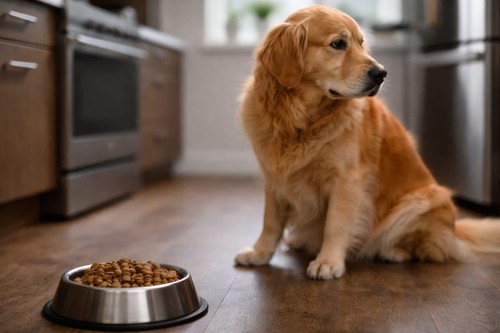
There is no single reason why a dog may stop eating. Sometimes the cause is simple, such as stress or too many treats. In other cases, a reduced appetite can be linked to pain, digestive discomfort, dental problems, medication, or an underlying health condition.
The clues around the appetite change often matter as much as the missed meal itself. Think about what changed, when it started, and what other signs you can see.
1. Stress, Anxiety, or a Change in Routine
Dogs can eat less when something in their environment changes.
Possible triggers include:
- moving to a new home
- travel or boarding
- a new person or pet in the household
- separation from a familiar person
- loud noises or an unfamiliar feeding area
- a sudden change in daily routine
If stress is the cause, your dog may still seem interested in treats or food at certain times but eat less than usual during regular meals.
Keep the feeding area quiet and predictable, and avoid making several changes to the food at the same time.
2. Digestive Discomfort
A dog with an upset stomach may temporarily lose interest in food.
Look for other digestive signs such as:
- vomiting
- diarrhea or softer stools
- frequent lip licking or swallowing
- abdominal discomfort
- unusual restlessness
- reduced energy
Digestive problems can have many causes, so appetite loss alone cannot tell you what is wrong.
If diarrhea is part of the problem, our guide to dog diarrhea, its common causes, and when to seek veterinary care explains what else to watch for.
If your dog is repeatedly vomiting, seems painful, or cannot keep food or water down, contact your veterinarian rather than trying several foods at home.
3. Dental or Mouth Pain
Some dogs still want to eat but stop once they try to chew.
Possible signs of mouth or dental discomfort include:
- dropping food from the mouth
- chewing only on one side
- unusually slow eating
- drooling
- bad breath
- pawing at the mouth
- approaching the bowl and then backing away
This is different from a dog that has no interest in food at all.
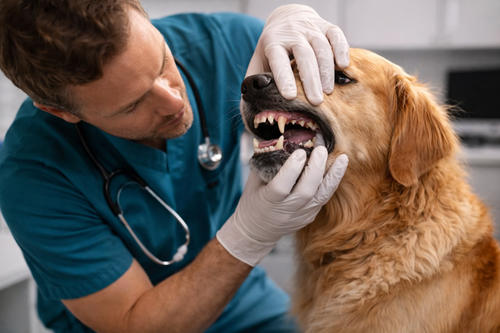
If your dog appears hungry but struggles to chew or swallow, a veterinary examination can help identify problems involving the teeth, gums, mouth, or swallowing.
4. Pain, Illness, or Medication
Dogs often eat less when they do not feel well.
Pain, fever, infection, digestive disease, or other health problems can all affect appetite. Some medications can also change how hungry a dog feels or make food less appealing.
Do not try to identify a specific disease from appetite loss alone. Instead, look for changes that appear at the same time, such as:
- unusual tiredness
- vomiting or diarrhea
- changes in drinking or urination
- weight loss
- coughing or breathing changes
- signs of pain
- changes in behaviour
If the appetite change began after starting a medication, do not stop the medication on your own. Ask your veterinarian whether reduced appetite could be related and what you should do next.
5. Too Many Treats or Extra Food
Sometimes a dog refuses a regular meal because they have already eaten more than you realise.
Calories can quickly add up from:
- training treats
- table scraps
- dental chews
- food used to give medication
- snacks from different family members
- other pets’ food
Before assuming your dog has lost their appetite, look at everything they have eaten during the day.
If you are unsure how much food your dog actually needs, our guide to how much to feed your dog explains how portions depend on factors such as body weight, activity, life stage, and the calorie content of the food.
6. The Food or Feeding Routine Has Changed
Sometimes the problem is connected to the meal itself rather than illness.
Your dog may hesitate to eat if:
- the food smells stale or has been stored poorly
- the recipe or texture has changed
- you switched foods suddenly
- the bowl or feeding location is unfamiliar
- mealtimes have become inconsistent
Check the food’s smell, appearance, storage conditions, and expiry information. If you recently changed diets, think about whether the appetite change started at the same time.
Avoid repeatedly switching between foods simply to tempt your dog to eat. Frequent changes can make it harder to understand what is actually affecting their appetite.
7. Something Your Dog Ate
Dogs sometimes lose their appetite after eating something they should not have.
Think about whether your dog recently had access to:
- rubbish or spoiled food
- bones or chews
- toys, socks, fabric, or other objects
- human medications
- household chemicals
- plants or foods that may be unsafe for dogs
Eating something unusual may cause a mild stomach upset, but swallowed objects or toxic substances can be much more serious.
If your dog suddenly stops eating and also vomits, seems painful, becomes unusually tired, or may have swallowed something, contact your veterinarian. Do not try to make your dog vomit unless a veterinarian specifically tells you to do so.
Does Your Dog Want to Eat but Can’t?
Watch what happens when your dog approaches the food bowl.
There is an important difference between a dog that has little or no interest in food and a dog that seems hungry but has difficulty eating. VCA Animal Hospitals explains that some dogs still want to eat but may struggle to pick up, chew, or swallow food.
A dog that wants to eat may walk toward the bowl, sniff the food, or try to take a bite, but then stop. This can happen when chewing, swallowing, or picking up food is uncomfortable or difficult.
| What you notice | What it may tell you |
|---|---|
| Sniffs the food and walks away | Appetite may be reduced |
| Takes food but drops it | Chewing or mouth discomfort may be involved |
| Chews only on one side | Dental or mouth pain may be possible |
| Tries to eat but repeatedly stops | Eating may be uncomfortable |
| Gags, coughs, or struggles when swallowing | A swallowing problem needs veterinary attention |
| Wants treats but refuses regular meals | Food preference, routine, or extra calories may play a role, but this alone does not rule out illness |
Do not force food into your dog’s mouth if eating or swallowing appears difficult.
If your dog seems hungry but cannot eat normally, especially if you notice drooling, mouth pain, repeated gagging, coughing, or difficulty swallowing, contact your veterinarian.
What Can You Safely Do at Home If Your Dog Won’t Eat?
If your dog seems otherwise well and has no warning signs, there are a few simple things you can check before changing the entire diet.
The goal is not to force your dog to eat. It is to remove obvious problems, keep the routine simple, and watch for changes that may need veterinary attention.
1. Check the Food First
Before assuming your dog has lost their appetite, look at the food itself.
Check:
- the expiry or best-before date
- how the food has been stored
- whether it smells or looks different
- whether a new bag, can, or recipe was recently opened
- whether the food has been left out too long
If the food seems spoiled or unusual, do not feed it.
2. Make Mealtime Calm and Predictable
Some dogs eat less when the feeding area is noisy, busy, or unfamiliar.
Offer the meal in a quiet place where your dog can eat without pressure from people or other pets.
Try to keep meals at roughly the same times each day. A consistent routine also makes it easier to notice when your dog’s appetite changes.
For more guidance on meal timing, see our guide to how often you should feed your dog.
3. Reduce Treats and Extra Food
If your dog has had several treats, chews, table scraps, or snacks during the day, they may simply be less hungry at mealtime.
For a day, keep track of everything your dog eats, not only what goes into the main food bowl.
Avoid offering a different treat every time your dog refuses a meal. This can make it harder to understand whether appetite has truly changed.
4. Try Warming the Food Slightly
For some dogs, gently warming wet food can make its smell stronger and the meal more appealing.
The food should be warm, not hot. Mix it well and check the temperature before offering it.
If your dog eats a veterinary or prescription diet, ask your veterinarian before adding broth, toppers, or other foods. Extra ingredients may interfere with the reason that diet was prescribed.
5. Keep Fresh Water Available
Your dog should always have access to clean, fresh water.
Pay attention to whether drinking has also changed. Drinking much more or much less than usual can be useful information for your veterinarian.
If your dog cannot keep water down, appears dehydrated, or refuses both food and water, contact your veterinarian.
6. Watch What Happens at the Bowl
Do not just record whether your dog ate.
Notice:
- whether your dog approaches the bowl
- whether they sniff the food and leave
- whether they take a bite and drop it
- how much they actually eat
- whether eating appears painful
- whether vomiting, coughing, gagging, or diarrhea follows
These details can help separate a simple feeding issue from a problem that needs veterinary assessment.
7. Give the Situation Time, But Keep Watching Your Dog
If your dog misses a meal but remains bright, comfortable, hydrated, and otherwise normal, close observation may be reasonable.
But do not use a fixed number of hours as the only guide.
If appetite does not improve, keeps changing, or your dog develops other symptoms, contact your veterinarian.
What Should You Avoid Doing If Your Dog Won’t Eat?
When your dog refuses food, it is tempting to keep trying different things until something works. But some common reactions can make the situation harder to understand, or may not be safe.
1. Don’t Force Your Dog to Eat
Do not push food into your dog’s mouth or force them to swallow.
This is especially important if your dog is gagging, coughing, struggling to swallow, vomiting, or seems painful. Forcing food can increase stress and may be unsafe when swallowing is difficult.
2. Don’t Keep Switching Foods
Offering a new food every few hours can make it difficult to understand why your dog stopped eating.
It may also encourage some dogs to wait for something more appealing instead of eating their normal meal.
If you recently changed foods, note when the change happened and whether the appetite problem started around the same time.
3. Don’t Add Lots of Treats or Toppers
A small change in smell or texture may sometimes make food more appealing, but repeatedly adding treats, cheese, meat, sauces, or other extras can quickly change the nutritional balance of the meal.
It can also hide whether your dog’s normal appetite has actually returned.
If your dog follows a veterinary diet or has a medical condition, check with your veterinarian before adding anything new.
4. Don’t Give Human Medicines or Appetite Stimulants
Do not give your dog human painkillers, stomach medicines, appetite stimulants, or other medications unless your veterinarian has specifically instructed you to do so.
The right treatment depends on why your dog is not eating, and some human medications can be harmful to dogs.
5. Don’t Try to Make Your Dog Vomit on Your Own
If you think your dog swallowed a toxin, medication, or foreign object, contact a veterinarian or animal poison service for advice.
Do not try to make your dog vomit unless a veterinary professional specifically tells you to. ASPCA Animal Poison Control warns that inducing vomiting at home can be dangerous.
6. Don’t Wait Just Because Your Dog Ate a Little
Eating a treat or a few bites does not automatically mean the problem has passed.
Keep watching your dog’s energy, drinking, bowel movements, vomiting, pain, and overall behaviour. If your dog seems unwell or the appetite problem continues or returns, contact your veterinarian.
What Should You Track Before Calling the Vet?
If your dog’s appetite does not return to normal or you decide to contact your veterinarian, a few simple observations can make the conversation much more useful.
You do not need to diagnose the problem yourself. Just record what you actually see.
When Did Your Dog Last Eat Normally?
Write down:
- the last time your dog ate a normal meal
- which meals were skipped or only partly eaten
- roughly how much food was offered
- how much your dog actually ate
This gives your veterinarian a clearer picture than simply saying, “My dog has not been eating.”
Has Drinking Changed?
Notice whether your dog is drinking:
- about the same as usual
- much more than usual
- much less than usual
- not at all
Changes in drinking can be important when considered alongside appetite and other symptoms.
Are There Any Other Symptoms?
Keep track of anything that appeared around the same time, including:
- vomiting
- diarrhea or changes in stool
- unusual tiredness
- pain or restlessness
- coughing or difficulty breathing
- drooling or difficulty swallowing
- changes in urination
- a swollen abdomen
- unexplained weight loss
If possible, note when each symptom started and whether it is getting better, worse, or staying the same.
Did Anything Change Recently?
Think back over the previous few days.
Useful details include:
- a new food or new bag of food
- new treats or chews
- a change in feeding schedule
- travel or boarding
- a new pet or person at home
- stressful events or loud noises
- a new medication or supplement
- recent access to rubbish, bones, toys, plants, or human food
Even a detail that seems unrelated may help your veterinarian understand the pattern.
Take Photos or Videos When Useful
Some symptoms disappear before you reach the clinic.
A short photo or video may help document things such as:
- unusual behaviour around the food bowl
- difficulty chewing
- coughing or gagging while eating
- vomit or unusual stool
- changes in walking or posture
Do not delay veterinary care just to collect more information. Record what you can safely observe.
Bring the Food and Medication Details
Know the name of your dog’s food and, if possible, have the packaging or a photo of the label available.
Also make a list of:
- medications
- supplements
- treats and chews
- recent diet changes
This helps your veterinarian review the full picture rather than looking only at the missed meal.
You do not need perfect records. A few accurate observations about appetite, water intake, symptoms, diet, and recent changes can be much more useful than trying to guess the cause yourself.
How Can You Support a Healthy Appetite Over Time?
You cannot prevent every cause of appetite loss. But a consistent feeding routine makes it easier to notice when something changes.
Keep Meals Consistent
Try to feed your dog at predictable times and in a calm place.
Consistency helps you learn what is normal for your dog. If they suddenly eat much less, take longer to finish meals, or start leaving food behind, the change becomes easier to spot.
Know How Much Your Dog Actually Eats
Measure meals rather than estimating by eye, especially if several people feed your dog.
Remember to include treats, chews, table scraps, and food used for training or medication when thinking about total daily intake.
Too many extras can reduce interest in regular meals and make it harder to judge your dog’s true appetite.
Watch Weight and Body Condition
Appetite is only one part of the picture.
Pay attention to changes in your dog’s:
- body weight
- body shape
- muscle condition
- activity level
- usual eating pattern
A dog can still eat something every day while gradually losing weight or muscle.
The WSAVA Global Nutrition Guidelines recommend looking at nutrition as part of the whole dog, including diet, body condition, health, and individual needs.
Look After Dental Health
Mouth and dental problems can make eating uncomfortable even when a dog still feels hungry.
Regularly notice changes such as bad breath, difficulty chewing, dropping food, unusual drooling, or avoiding harder foods.
If eating appears painful, arrange a veterinary examination rather than simply changing to softer or more tempting food.
Pay Attention to Changes, Not Just Missed Meals
Your dog’s normal pattern is often the most useful reference point.
A sudden change in appetite, drinking, weight, energy, stool, or behaviour deserves more attention than whether one bowl was completely empty.
Keeping a simple record of these changes can also make it easier to give your veterinarian a clear history if a problem develops.
Frequently Asked Questions About Dogs Not Eating
Why is my dog not eating but still drinking water?
A dog may continue drinking even when their appetite is reduced. Stress, digestive discomfort, dental pain, medication, or illness can all affect eating differently from drinking.
Watch your dog’s overall behaviour as well as the food bowl. If the appetite loss continues, drinking changes noticeably, or symptoms such as vomiting, diarrhea, pain, weakness, or unusual tiredness appear, contact your veterinarian.
My dog is not eating but acting normal. Should I worry?
A dog that skips a meal but remains bright, comfortable, active, and otherwise normal may not have an emergency.
Still, keep watching closely. Check the food, treats, recent routine changes, water intake, and whether your dog eats at the next meal.
If reduced appetite continues, keeps returning, or your dog develops other symptoms, contact your veterinarian rather than relying only on how normal your dog appears.
How long can a dog go without eating?
There is no single waiting period that is safe for every dog.
Age, health conditions, medications, hydration, and other symptoms all matter. A healthy adult dog that misses one meal is very different from a puppy, a dog with diabetes, or a dog that is vomiting or appears weak.
If your dog seems unwell, do not wait for a specific number of hours before asking your veterinarian for advice.
Why will my dog eat treats but not regular food?
Sometimes dogs eat treats but refuse their normal meal because treats are more appealing or because they have already consumed enough extra calories to reduce hunger.
But eating treats does not prove that your dog is healthy. Dogs with dental discomfort, nausea, or other health problems may still accept certain foods.
Count treats, chews, table scraps, and training rewards as part of your dog’s daily intake. If refusal of regular meals continues, speak with your veterinarian.
Should I change my dog’s food if they stop eating?
Not immediately.
First check whether the food is fresh, stored correctly, and unchanged in smell or appearance. Also think about recent treats, routine changes, medications, and other symptoms.
Repeatedly switching foods can make it harder to understand what caused the appetite change. If your dog needs a different diet, especially for a medical reason, discuss the change with your veterinarian.
What if my puppy suddenly stops eating?
Loss of appetite deserves more caution in puppies than in healthy adult dogs.
Puppies have different nutritional needs and may be more vulnerable when they are not eating normally. If your puppy refuses food, seems weak, vomits, has diarrhea, or behaves differently from usual, contact your veterinarian promptly.
Do not use an adult dog’s feeding pattern as a guide for deciding how long to wait with a puppy.
When should I take my dog to the vet for not eating?
Contact your veterinarian if your dog’s appetite does not return to normal, repeatedly decreases, or the change is unusual for your dog.
Seek veterinary help sooner if appetite loss appears with signs such as repeated vomiting or diarrhea, weakness, pain, difficulty breathing, a swollen abdomen, trouble swallowing, dehydration, unexplained weight loss, or possible access to a toxin or foreign object.
If your dog has an existing medical condition or takes medication that depends on regular meals, ask your veterinarian what to do rather than changing the treatment yourself.
Final Note: Pay Attention to What Changes
A missed meal on its own does not always mean something is wrong. What matters more is whether your dog’s appetite stays reduced, keeps changing, or appears alongside other symptoms.
Pay attention to what is normal for your dog: how much they usually eat, how they drink, their energy level, weight, behaviour, and bathroom habits. Changes across several of these areas can provide much more useful context than an empty food bowl alone.
You do not need to work out the cause yourself. If your dog seems unwell, shows warning signs, or does not return to their normal eating pattern, contact your veterinarian.
Better Nutrition Decisions Start With Better Context
Good nutrition is not only about choosing the right food. Your dog’s age, weight, activity, lifestyle, feeding habits, and changes over time all help shape what they may need.
FAMMO brings this information together to help you explore more personalised nutrition guidance and make better-informed everyday decisions about your dog’s care.
It is designed to support nutrition and preventive health, not to diagnose illness or replace veterinary care.
Create your free FAMMO account and start building a more personalised approach to your dog’s nutrition.