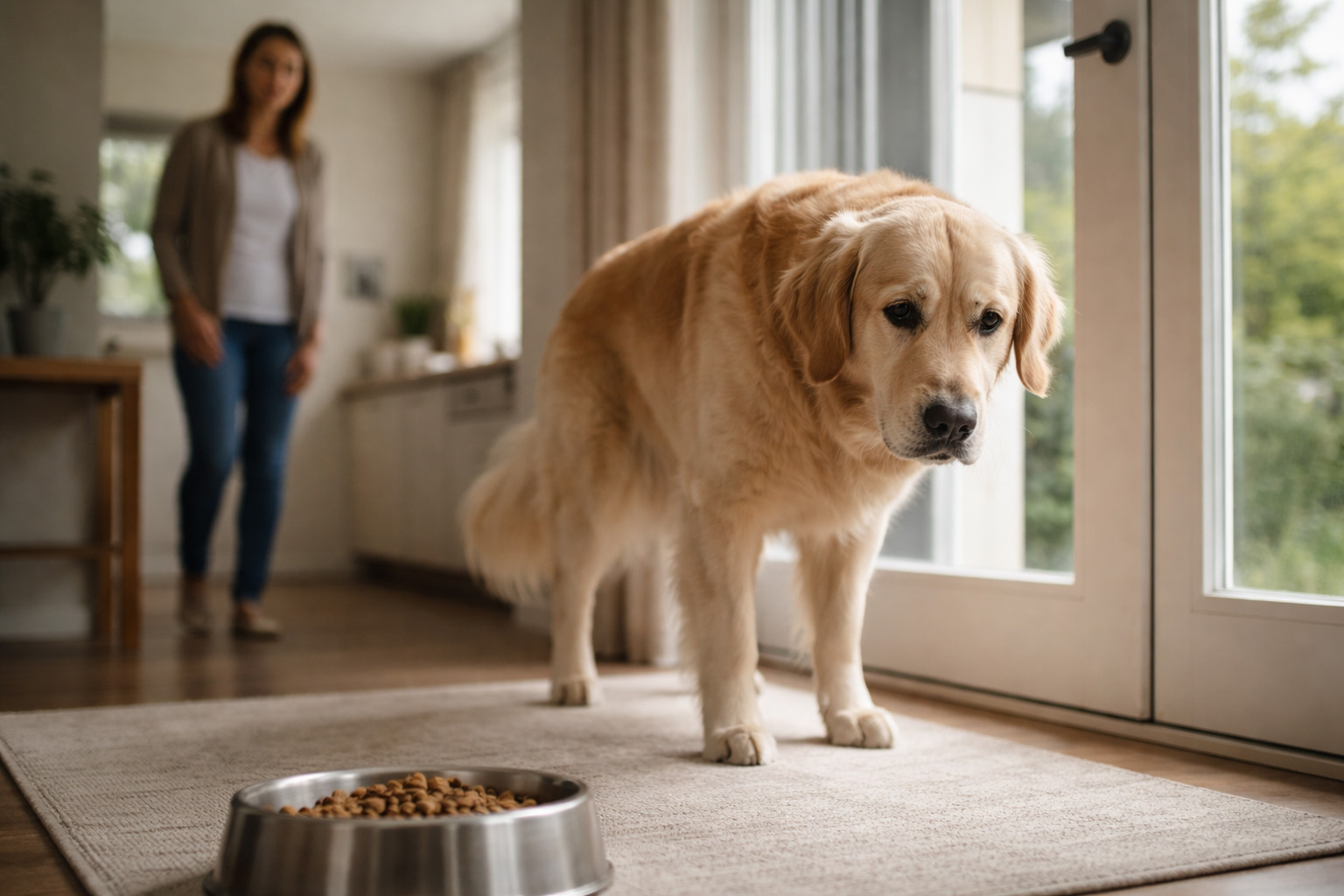
Dog Diarrhea Causes and Treatment: What to Do and When to Worry
Dog diarrhea can happen due to diet changes, stress, parasites, infections, or more serious conditions like blockages. Mild cases may improve with hydration and a bland diet, but bloody stool, vomiting, lethargy, or diarrhea lasting more than 48–72 hours requires veterinary care.
According to the
- Cornell University College of Veterinary Medicine
- and the Merck Veterinary Manualmost mild acute diarrhea cases in healthy dogs are self-limiting, but recognizing warning signs early is critical.
A Mess on the Floor Usually Starts With One Big Question
It often begins in a very ordinary way.
You take your dog outside, expecting a normal walk, and then suddenly notice loose stool, urgency, or repeated trips to the garden.
And within seconds, your mind jumps to the same questions almost every dog owner asks:
Why does my dog have diarrhea?
Is it something small?
Or is this something serious?
The frustrating part is that dog diarrhea is both common and confusing.
Sometimes it happens because your dog stole a bite of fatty food from the table.
Sometimes it starts after a food change.
Sometimes it points to parasites, infection, stress, food sensitivity, or a deeper digestive problem.
That is why understanding dog diarrhea causes and treatment matters so much.
Because the goal is not just to stop the diarrhea.
The goal is to know:
- what may have triggered it
- what you can safely do at home
- what makes it dangerous
- and when your dog needs veterinary care quickly
What Counts as Diarrhea in Dogs?
Not every soft stool is a crisis.
But diarrhea usually means stool that is:
- looser than normal
- more frequent than usual
- urgent or difficult to control
- sometimes mixed with mucus or blood
Some dogs have one soft bowel movement and then return to normal.
Others have repeated episodes in a few hours.
That difference matters.
A single loose stool may be mild digestive irritation.
Repeated diarrhea, especially with other symptoms, deserves much more attention.
Dog Diarrhea at a Glance What Different Stool Changes Can Mean
| Stool Appearance | What It May Suggest | Urgency Level |
|---|---|---|
| Soft but formed | Mild stomach upset, diet change, stress | Usually monitor closely |
| Watery diarrhea | Strong irritation, infection, parasites, rapid fluid loss | Moderate |
| Mucus in stool | Colitis, stress, intestinal irritation | Moderate |
| Bright red blood | Lower bowel irritation, colitis, hemorrhagic diarrhea, parasites | High |
| Black or tarry stool | Digested blood from upper digestive tract | Very high |
| Diarrhea with vomiting | Stomach and intestinal inflammation, toxin exposure, obstruction, infection | High |
| Diarrhea with weakness or collapse | Dehydration, shock, serious illness | Emergency |
The Most Common Causes of Dog Diarrhea
Dog diarrhea is not one disease.
It is a symptom.
And the reason behind it can range from minor to urgent.
1. Eating Something They Should Not Have Eaten
This is one of the most common causes.
Dogs explore the world with their mouths. That means they may eat:
- spoiled food
- garbage
- table scraps
- greasy leftovers
- sudden treats
- grass
- things found outside
Sometimes the gut gets irritated and reacts quickly.
This is often called dietary indiscretion, and it is one of the most common reasons for sudden diarrhea in otherwise healthy dogs.
2. Sudden Food Changes
A dog’s digestive system does not always like abrupt change.
Switching food too quickly can upset the gut microbiome and trigger:
- loose stool
- gas
- bloating
- diarrhea
- stool urgency
This is especially common when owners switch from one kibble to another too fast, or move suddenly between commercial food and homemade meals.
Related reading: Homemade vs Commercial Pet Food: Which Is Better for Your Pet?
3. Food Intolerance or Food Sensitivity
Some dogs react poorly to certain ingredients.
This might include:
- beef
- chicken
- dairy
- wheat
- rich treats
- high-fat foods
In these cases, diarrhea may come back repeatedly, especially after specific meals.
If your dog often has soft stool after eating the same type of food, food sensitivity becomes more likely.
4. Stress and Anxiety
Yes, stress can affect the gut.
Dogs may develop diarrhea after:
- travel
- boarding
- fireworks
- moving home
- meeting new animals
- routine disruption
The brain and gut are closely connected. In sensitive dogs, emotional stress can quickly become digestive upset.
5. Parasites
Parasites are a very common cause of diarrhea, especially in:
- puppies
- dogs who visit parks frequently
- dogs who drink from puddles
- rescue dogs
- dogs exposed to contaminated feces
Common parasites linked to diarrhea include:
- Giardia
- roundworms
- hookworms
- whipworms
Parasitic diarrhea may be mild at first or may continue for days.
6. Viral or Bacterial Infection
Some infections can inflame the digestive tract and cause diarrhea, sometimes with vomiting or fever.
These cases may be more likely if your dog is:
- very young
- elderly
- unvaccinated
- immunocompromised
Infectious diarrhea is not always severe, but it can become dangerous faster than many owners expect.
7. Medication Side Effects
Some medicines can irritate the gut.
This may include:
- antibiotics
- anti-inflammatory drugs
- new supplements
- deworming products in some cases
If diarrhea started soon after a new medication, the timing matters.
8. Foreign Body or Intestinal Blockage
This is one of the most important causes not to miss.
If a dog swallows something that should not be in the digestive tract, such as:
- socks
- toys
- bones
- plastic
- fabric
- corn cobs
the bowel may become partially or fully blocked.
This can cause diarrhea at first, but often comes with:
- vomiting
- pain
- refusal to eat
- repeated straining
- lethargy
A blockage can be life-threatening and needs urgent veterinary care.
9. Chronic Digestive Disease
If diarrhea keeps returning, the issue may be more than a temporary upset.
Longer-term causes may include:
- chronic enteropathy
- inflammatory bowel disease
- pancreas-related digestive issues
- endocrine disease
- malabsorption
- persistent food-responsive enteropathy
This is more likely when diarrhea becomes a pattern, not a one-time event.
According to WSAVA (World Small Animal Veterinary Association), acute diarrhea in dogs is most commonly linked to dietary indiscretion, parasites, or sudden diet changes.
Dog Has Diarrhea But Acts Fine, Should You Worry?
This is one of the most searched questions:
“My dog has diarrhea but seems fine. Is it serious?”
In many cases, this situation is not immediately dangerous.
If your dog:
- is still energetic
- is eating or drinking normally
- has no vomiting
- has no blood in stool
then it may be a mild digestive upset.
This often happens due to:
- eating something unusual
- mild food intolerance
- temporary gut imbalance
However, “acting fine” does not always mean “nothing is wrong.”
Watch carefully for:
- diarrhea lasting more than 2 days
- increasing frequency
- subtle energy drop
- dehydration signs
If symptoms persist, it is no longer considered mild.
Diarrhea in Puppies, Why It’s More Serious
Diarrhea in puppies is never something to ignore.
Puppies are much more vulnerable because:
- they dehydrate faster
- their immune system is weaker
- infections spread more quickly
Common causes include:
- parasites (very common)
- viral infections like parvovirus
- sudden diet changes
- stress after adoption
⚠️ Even 24 hours of diarrhea in a puppy can become serious.
According to veterinary guidance:
Puppies with diarrhea should be evaluated much sooner than adult dogs, especially if they are not eating, vomiting, or becoming weak.
What to Do If Your Dog Has Diarrhea
- Check your dog’s overall condition
Is your dog alert? Drinking water? Vomiting? Weak? The full picture matters more than stool alone. - Protect hydration
Always provide fresh water. Watch for dehydration signs like dry gums, low energy, or sunken eyes. - Feed small, easy-to-digest meals
If your dog is stable, offer simple foods like boiled chicken and rice. Avoid fatty or rich foods. - Avoid human medications
Do not give anti-diarrhea drugs without veterinary advice. They can worsen underlying problems. - Monitor the timeline
Track how long diarrhea continues. If it lasts more than 48–72 hours, seek veterinary care.
When Dog Diarrhea Is an Emergency
Some signs should change the situation immediately.
Call a veterinarian promptly if your dog has:
- blood in the stool
- black or tar-like stool
- repeated vomiting
- severe lethargy
- signs of dehydration
- abdominal pain
- collapse or weakness
- diarrhea lasting more than 48–72 hours
- refusal to drink
- refusal to eat for an extended period
- suspected toxin exposure
- suspected foreign body ingestion
Also seek help sooner if the dog is:
- a puppy
- a senior dog
- very small
- pregnant
- medically fragile
- already dealing with another illness
Related reading: Dog Not Eating: What to Do When Your Dog Refuses Food
Dog Diarrhea With BloodWhy It Matters More
Many owners become especially alarmed when they see blood.
And they should pay attention.
Bright red blood may come from irritation in the lower bowel.
Dark, black, tarry stool may suggest digested blood from higher in the digestive tract.
Neither should be ignored.
In some dogs, sudden severe bloody diarrhea can be part of acute hemorrhagic diarrhea syndrome, which may lead to rapid fluid loss and deterioration.
That is why blood changes the urgency.
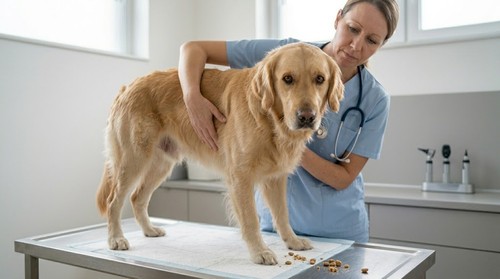
How Vets Diagnose the Cause
Treatment works best when the cause is understood.
Depending on the case, a veterinarian may consider:
- recent food history
- access to trash or outdoor exposure
- parasite risk
- vaccination status
- medications
- stool testing
- physical exam findings
- dehydration level
- bloodwork
- imaging if obstruction is suspected
This is why details matter.
When you speak with a vet, it helps to know:
- when the diarrhea started
- how often it happens
- whether there is blood or mucus
- whether vomiting is also present
- what your dog ate recently
- whether a food change happened
- whether your dog swallowed anything unusual
Dog Diarrhea Treatment What the Vet May Recommend
The right dog diarrhea treatment depends on the cause and severity.
Treatment may include:
Supportive Care
For mild, uncomplicated cases, care may focus on:
- fluid support
- bland or gastrointestinal diet
- rest for the digestive tract
- monitoring
Anti-Nausea or Gut-Support Medications
If vomiting or intestinal irritation is involved, your vet may prescribe medications to reduce nausea or support recovery.
Parasite Treatment
If stool testing suggests parasites, treatment may include targeted deworming or anti-parasitic therapy.
Dietary Change
Some dogs improve only after moving to a more digestible or limited-ingredient food.
Related reading: Best Dog Food for Small Breeds: Complete Guide for Healthy Small Dogs
Treatment for Infection or More Serious Disease
If the dog is systemically unwell, severely dehydrated, or has a more serious cause behind the diarrhea, treatment becomes more intensive.
Hospital Care
Dogs with severe dehydration, hemorrhagic diarrhea, collapse, or suspected obstruction may need hospital-level treatment and rapid stabilization.
Can Pumpkin Help With Dog Diarrhea?
Some owners use plain pumpkin as a gentle source of fiber in mild digestive upset.
In some dogs, it may help normalize stool texture.
But pumpkin is not a universal fix.
It does not replace proper diagnosis if your dog has:
- blood in stool
- vomiting
- pain
- dehydration
- prolonged diarrhea
Used casually, pumpkin can be supportive in mild cases.
Used blindly, it can delay care in more serious ones.
How to Prevent Dog Diarrhea in the Future
Not every case is preventable, but many are.
1. Change Food Gradually
Sudden changes are one of the easiest causes to avoid.
2. Avoid Rich Human Food
Greasy leftovers and high-fat treats often trigger digestive upset.
3. Keep Trash and Unsafe Objects Out of Reach
Many emergency diarrhea cases start with something a dog should never have swallowed.
4. Stay Current on Parasite Prevention
Regular prevention matters, especially for dogs who socialize outdoors.
5. Pay Attention to Repeated Patterns
If your dog gets diarrhea again and again, stop treating it like a random event. Repetition usually means the trigger still exists.
6. Choose Food That Matches Your Dog’s Digestive Tolerance
Some dogs thrive on one formula and react poorly to another.
The Real Goal Is Not Just to Stop the Stool
When owners search for causes of diarrhea in dogs, they often want one simple answer.
But the truth is more useful than that:
Dog diarrhea is not just about stool.
It is about what the gut is trying to tell you.
Sometimes it says:
“That meal was too rich.”
Sometimes it says:
“This food does not suit me.”
And sometimes it says:
“Something more serious is wrong.”
The best response is not panic.
It is observation, hydration, smart feeding, and knowing when the problem has crossed the line from mild upset to medical concern.
Why Tracking Patterns Matters More Than You Think
Here is something most pet owners miss:
They treat diarrhea as a one-time event.
But in many cases, it is part of a pattern.
For example:
- same food → same reaction
- stress event → same symptoms
- certain treats → recurring diarrhea
Without tracking, these patterns stay invisible.
With simple observation over time, they become clear.
And once patterns become clear, decisions become smarter.
What is the most common cause of diarrhea in dogs?
One of the most common causes is dietary indiscretion, meaning the dog ate something that irritated the digestive tract. Sudden food changes, parasites, stress, and food sensitivity are also common.
How long is too long for dog diarrhea?
If diarrhea lasts more than 48 to 72 hours, or appears alongside vomiting, blood, lethargy, or dehydration, your dog should be seen by a veterinarian.
Can I treat dog diarrhea at home?
Mild cases in otherwise bright, hydrated adult dogs may improve with fresh water, close monitoring, and small bland meals. But severe, bloody, painful, or persistent diarrhea should not be treated at home alone.
When should I worry about bloody diarrhea in dogs?
You should worry immediately. Bloody diarrhea can be linked to colitis, parasites, severe intestinal irritation, or hemorrhagic diarrhea syndrome, and may require urgent care.
Should I stop feeding my dog if they have diarrhea?
Many dogs do better with small, easy-to-digest meals rather than rich food, but the right approach depends on the dog’s age, condition, and whether vomiting is present. Puppies, seniors, and sick dogs should be handled more cautiously.
Can stress cause diarrhea in dogs?
Yes. Travel, routine change, anxiety, boarding, and environmental stress can all trigger digestive upset in some dogs.
Is dog diarrhea contagious to other dogs?
Sometimes. If the cause is infectious or parasitic, other dogs may be at risk. Good hygiene and fast assessment matter.
Can food allergies cause chronic diarrhea in dogs?
Food-related sensitivities or intolerances can absolutely contribute to recurring digestive problems. If diarrhea keeps returning, diet should be evaluated more carefully.
Instead of guessing every time your dog has diarrhea…
Start understanding the patterns behind it.
FAMMO helps you track your dog’s diet, symptoms, and daily signals — so you can connect the dots before problems grow.
Create your free account on FAMMO and start making smarter decisions for your dog’s health.