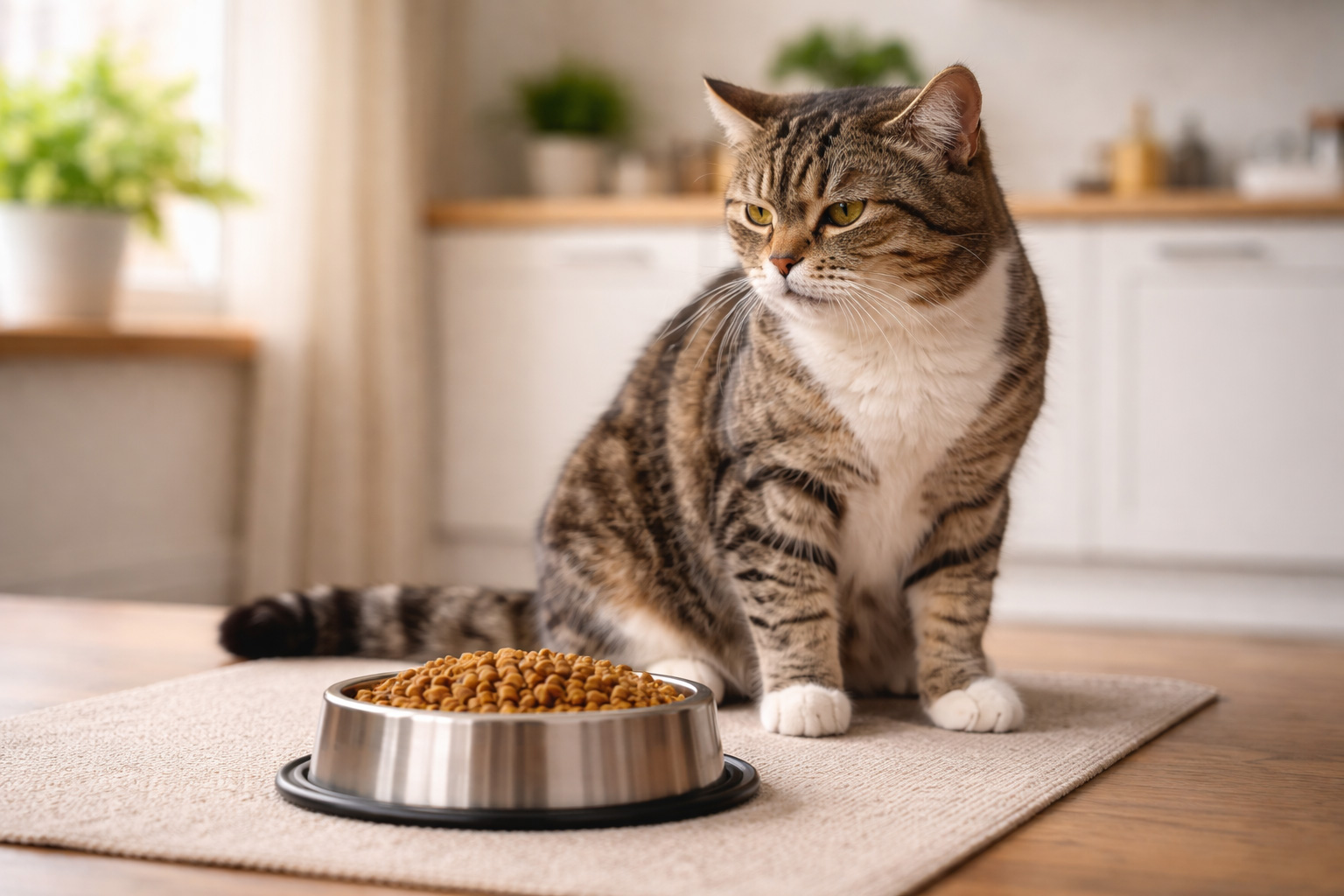
Cat Vomiting After Eating: Causes, Solutions, and When to Worry
Seeing your cat vomit right after eating can be worrying.
Many cat owners ask:
“Why does my cat throw up after eating?”
The answer can range from something harmless, like eating too fast, to more serious health issues.
Understanding the cause is the first step to helping your cat feel better.
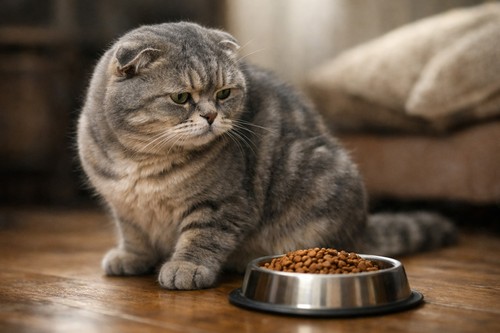
Quick Answer (Snippet-Ready)
👉 Most common cause: eating too fast
👉 Other causes: food sensitivity, hairballs, digestion issues
👉 If it happens frequently → consult a vet
Why Do Cats Vomit After Eating?
Vomiting is not always a disease, it’s a symptom.
From a biological perspective, vomiting can occur when the stomach is irritated or when food moves too quickly through the digestive tract.
In fast-eating cats, the stomach may not have enough time to properly process food, leading to immediate expulsion.
Common causes include:
- eating too quickly
- overeating
- food sensitivity
- hairballs
- sudden food change
- digestive problems
Vomiting vs Regurgitation (Important Difference)
Not all “vomiting” is the same.
Many pet owners confuse vomiting with regurgitation, but they are different.
| Type | What Happens | Timing | Appearance |
|---|---|---|---|
| Vomiting | Active process (heaving, discomfort) | Minutes to hours after eating | Partially digested food |
| Regurgitation | Passive (no effort) | Immediately after eating | Undigested food, tubular shape |
👉 If your cat brings up undigested food right after eating, it’s more likely regurgitation — often caused by eating too fast.
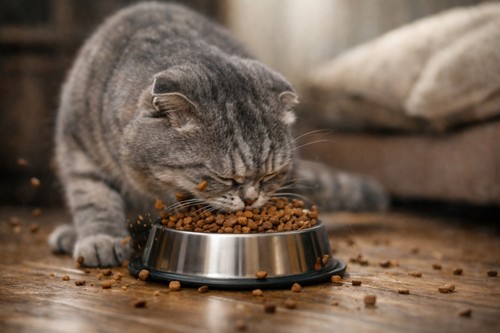
1. Eating Too Fast (Most Common Cause)
Some cats eat too quickly and swallow air along with food.
This can lead to:
- regurgitation
- vomiting shortly after eating
Solution:
- use slow feeder bowls
- give smaller portions
- feed multiple times per day
2. Overeating
Feeding too much at once can overload the digestive system.
This often leads to vomiting soon after meals.
Solution:
- control portion size
- follow a consistent feeding schedule
You can also read our guide on
the best diet for indoor cats
3. Food Sensitivity or Allergy
Some cats react poorly to certain ingredients.
Signs include:
- vomiting
- diarrhea
- itching
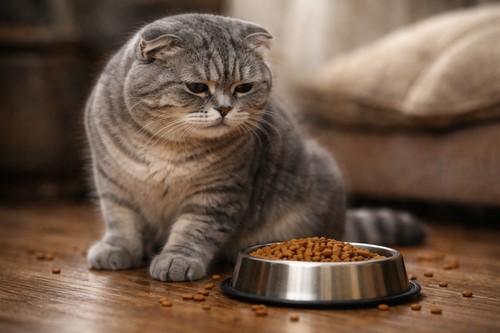
4. Hairballs
Hairballs are common, especially in long-haired cats.
They can cause:
- vomiting
- gagging
- digestive discomfort
5. Sudden Food Change
Switching food too quickly can upset your cat’s stomach.
👉 Transition gradually over 7–10 days
6. Underlying Health Issues
In some cases, vomiting may indicate:
- gastritis
- kidney issues
- infections
Quick Overview: Causes and What to Do
| Cause | Serious Level | What You Should Do |
|---|---|---|
| Eating too fast | Low | Use slow feeder, smaller meals |
| Overeating | Low | Control portions |
| Food sensitivity | Medium | Try limited ingredient diet |
| Hairballs | Medium | Regular grooming, hairball remedies |
| Digestive issues | High | Consult a vet |
When Should You Be Concerned?
👉 Occasional vomiting = usually normal
👉 Frequent vomiting = warning sign
Red flags:
- vomiting multiple times per week
- weight loss
- lethargy
- blood in vomit
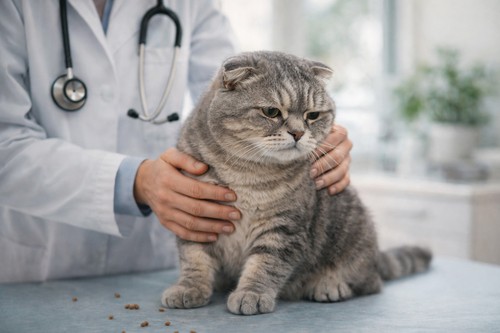
Frequent vomiting is different. If it happens often, something may be wrong with your cat’s digestion or overall health.
Watch for warning signs such as repeated vomiting during the week, weight loss, low energy, or blood in the vomit. These symptoms should never be ignored.
Veterinary experts also recommend checking your cat if vomiting continues or appears with other symptoms. According to the Royal Veterinary College, ongoing vomiting in cats may signal digestive disease, infection, or organ problems and should be examined by a veterinarian.
If vomiting happens regularly, schedule a vet visit instead of trying to manage it at home.
Early diagnosis is much easier to treat than a problem that has been ignored for weeks.
How to Stop Your Cat From Vomiting After Eating
Practical steps:
- feed smaller portions
- slow down eating
- choose high-quality food
- avoid sudden diet changes
- monitor behavior
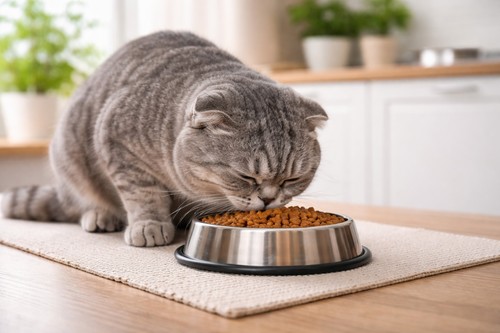
Feeding Habits Matter More Than You Think
Many vomiting issues are not about food quality, but how the cat eats.
The Role of Personalized Nutrition
Every cat is different.
Two cats eating the same food can have very different reactions.
That’s why understanding your cat’s individual needs is critical.
FAMMO analyzes your cat’s diet, activity, and health data to give personalized feeding recommendations.
You can also explore:
FAQ
Why does my cat throw up immediately after eating?
Most commonly due to eating too fast or regurgitation.
Can dry food cause vomiting in cats?
Yes, especially if eaten too quickly or if the cat has sensitivity to ingredients.
Is it normal for cats to vomit sometimes?
Occasional vomiting can be normal, but frequent vomiting is not.
What is the difference between vomiting and regurgitation?
Vomiting is active and involves digestion, while regurgitation is passive and happens immediately after eating.
How can I stop my cat from vomiting?
Use slow feeders, smaller meals, and consistent feeding routines.
Your cat keeps vomiting — but the reason isn’t always obvious.
👉 Guessing can make it worse.
FAMMO analyzes your cat’s diet, behavior, and health data to help you understand the real cause, and what to do next.