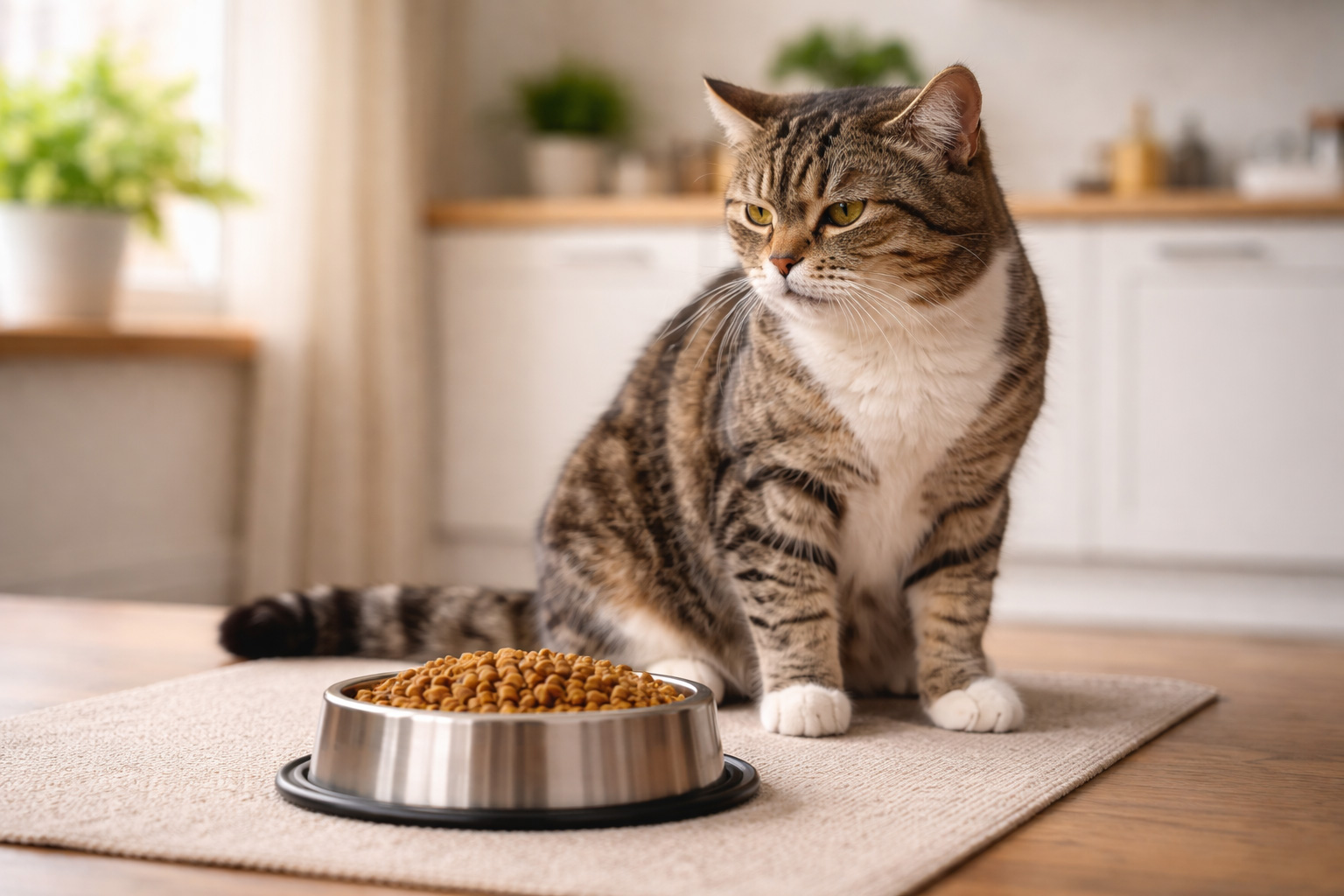
Cat Vomiting After Eating: Causes, Red Flags & When to Worry
If your cat vomits after eating, the cause may be as simple as eating too fast, but it can also point to food intolerance, sudden diet changes, hairballs, digestive irritation, or an underlying health problem.
Many cat owners describe this as:
-
“My cat vomits right after eating.”
-
“My cat throws up undigested food.”
-
“My cat vomits after eating dry food.”
-
“Why does my cat keep throwing up after meals?”
The first thing to check is whether your cat is truly vomiting or regurgitating. Regurgitation usually happens soon after eating, often with undigested food and little effort. Vomiting is more active and may include retching, heaving, nausea, foam, bile, or partially digested food.
In this guide, you’ll learn the most common reasons cats vomit after eating, how to tell vomiting from regurgitation, when to call a vet, and how tracking food, portion size, eating speed, stool, appetite, and vomiting patterns can help you make better feeding decisions.
Quick Answer: Why Is My Cat Vomiting After Eating?
Cats most often vomit or bring up food after eating because they eat too fast, eat too much at once, switch food too suddenly, react poorly to an ingredient, or have hairballs or digestive irritation.
If your cat throws up undigested food right after eating with little or no heaving, it may be regurgitation rather than true vomiting. This often happens when food moves back up before it reaches or settles in the stomach properly.
Common causes include:
-
Eating too fast: Your cat may swallow food and air quickly, especially with dry kibble or large meals.
-
Overeating: A large portion can overload the stomach and lead to food coming back up.
-
Sudden food changes: Switching brands, textures, or protein sources too quickly can upset digestion.
-
Food sensitivity or intolerance: Some cats react to certain proteins, ingredients, additives, or textures.
-
Hairballs: Grooming can lead to swallowed hair that irritates the stomach.
-
Underlying health issues: Repeated vomiting can also be linked to parasites, inflammation, obstruction, kidney disease, thyroid disease, or other medical problems.
Call a veterinarian if vomiting happens repeatedly, occurs several times in a week, contains blood, or appears with lethargy, diarrhea, weight loss, loss of appetite, pain, dehydration, or inability to keep food or water down.
If the vomiting seems connected to food type, portion size, eating speed, or ingredient changes, track the pattern before switching foods repeatedly. You can also compare food quality, moisture, ingredients, and life-stage fit in our guide to the best cat food brands in Europe.
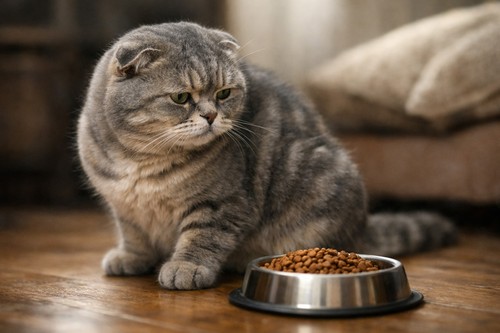
Cat Vomiting Undigested Food: Is It Vomiting or Regurgitation?
If your cat throws up undigested food right after eating, it may not be true vomiting. In many cases, it is regurgitation, especially if the food comes back up quickly, looks almost the same as it did in the bowl, and your cat shows little effort or no retching.
This distinction matters because vomiting and regurgitation can point to different causes.
Veterinary references also separate vomiting from regurgitation because regurgitation is usually more passive and may bring up undigested food from the esophagus rather than food that has already been processed in the stomach. You can read more in the MSD Veterinary Manual guide to vomiting in cats.
Vomiting is usually more active. Your cat may show nausea, drooling, lip licking, abdominal movement, retching, or heaving before food, foam, bile, or partially digested material comes up.
Regurgitation is usually more passive. Food may come back up soon after eating, often undigested, with little warning. It can happen when food moves back up from the esophagus before it properly reaches or settles in the stomach.
| Sign | Vomiting | Regurgitation |
|---|---|---|
| Effort | Active, often with retching or heaving | Passive, often with little effort |
| Timing | Can happen soon after eating or hours later | Often happens soon after eating |
| Food appearance | Partly digested food, foam, bile, or liquid | Undigested food, often similar to what was eaten |
| Body signs | Nausea, drooling, licking lips, abdominal contractions | Usually sudden, with fewer warning signs |
| Common triggers | Food intolerance, hairballs, stomach irritation, illness | Eating too fast, large meals, esophageal irritation, food not moving down properly |
Quick Check: What Did You See?
Ask yourself:
- Did your cat retch or heave before food came up?
- Did the food look digested or almost unchanged?
- Did it happen immediately after eating?
- Was your cat acting normal afterward, or tired and unwell?
- Has this happened more than once this week?
If your cat brings up undigested food once after eating too quickly, it may be related to eating speed or portion size. Try smaller meals, slower feeding, and avoiding sudden food changes.
But if it happens repeatedly, if your cat vomits several times in a week, or if you notice blood, weight loss, diarrhea, lethargy, appetite loss, pain, dehydration, or trouble keeping water down, contact a veterinarian.
Why Does My Cat Vomit Right After Eating?
If your cat vomits right after eating, the timing can give you an important clue. Food that comes back up within minutes is often linked to eating speed, portion size, food texture, or regurgitation. Vomiting that happens later, especially with nausea, bile, foam, or repeated heaving, may point more toward stomach irritation or an underlying health issue.
Common reasons cats vomit or bring up food right after eating include:
-
Eating too fast: Some cats gulp food quickly and swallow air with it, especially when eating dry kibble or large meals. This can make food come back up soon after the meal.
-
Large portions: A big meal can stretch the stomach and trigger food to come back up before digestion has settled.
-
Dry food texture: Some cats swallow kibble without chewing much, which can make fast eating and regurgitation more likely.
-
Sudden diet changes: Switching to a new brand, protein, texture, or feeding routine too quickly can irritate digestion.
-
Food sensitivity: If vomiting happens after specific ingredients or protein sources, your cat may not tolerate that food well.
-
Stress around mealtime: Competition with other pets, eating near noise, or feeling rushed can make some cats eat too quickly.
-
Hairballs or stomach irritation: Swallowed hair can irritate the stomach and make vomiting more likely after meals.
-
Medical problems: Repeated vomiting after eating can also be related to parasites, inflammation, obstruction, thyroid disease, kidney disease, or other health problems.
If this happens once and your cat acts normal afterward, start by tracking the pattern. Note the food type, portion size, eating speed, time between eating and vomiting, and whether the food looked digested or undigested.
You can also try simple feeding changes, such as smaller meals, a slow feeder, spreading food on a flat plate, adding more moisture if appropriate, and avoiding sudden food switches.
However, do not treat repeated vomiting as normal. Contact a veterinarian if your cat vomits more than once a week, vomits several times in a day, cannot keep water down, loses weight, stops eating, seems lethargic, has diarrhea, shows pain, or has blood in the vomit.
Common Reasons Cats Vomit After Eating
Once you understand the difference between vomiting and regurgitation, the next step is to look at what may be triggering it.
Some causes are related to feeding behavior, such as eating too fast or overeating. Others may involve sudden diet changes, food sensitivity, hairballs, or digestive irritation.
Vomiting in cats can have many causes. According to the Cornell Feline Health Center, hairballs are one of the more common and often less serious causes, but repeated vomiting should not be ignored.
Below are the most common reasons cats vomit or bring up food after meals, and what you can do next.
1. Eating Too Fast
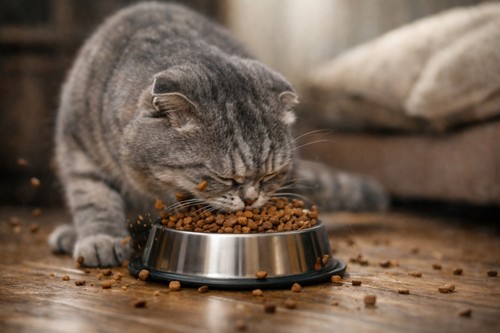
One of the most common reasons cats vomit or regurgitate after eating is eating too fast.
When a cat gulps food quickly, they may swallow extra air and overload the stomach before the food has time to move normally through digestion. This can lead to bringing up undigested food shortly after a meal.
This is especially common with dry food or kibble, because some cats swallow pieces quickly without chewing much.
Signs this may be the cause include:
- Your cat throws up right after eating
- The food looks undigested or whole
- There is little or no heaving before it happens
- It happens more often after large meals
What You Can Do
- Use a slow feeder bowl
- Split food into smaller meals
- Feed multiple times per day
- Avoid giving one large meal at once
- Track when vomiting happens and how fast your cat eats
2. Overeating
Eating too much at once can overwhelm your cat’s stomach and lead to vomiting or regurgitation soon after meals.
This is more common in cats that are very food-motivated, compete with other pets, or receive one or two large meals instead of smaller portions throughout the day.
Signs overeating may be the cause include:
- vomiting soon after a large meal
- undigested food coming back up
- eating very quickly until the bowl is empty
- vomiting more often when meal portions are larger
What You Can Do
- measure each meal instead of free-pouring food
- split food into smaller portions across the day
- follow a consistent feeding schedule
- avoid sudden large meals after long gaps
- track meal size, timing, and vomiting episodes
3. Food Sensitivity, Intolerance, or Allergy
Some cats vomit after eating because their digestive system reacts poorly to certain ingredients, proteins, additives, or food textures.
This does not always mean your cat has a true food allergy. In many cases, it may be a food sensitivity or intolerance that causes digestive discomfort after meals.
Possible signs include:
- vomiting after eating certain foods
- diarrhea or soft stool
- gas or bloating
- itchy skin or excessive scratching
- licking paws or grooming more than usual
- refusing food or showing appetite changes
Food-related vomiting can be hard to identify because symptoms may not appear every time your cat eats.
If you are considering grain-free formulas because of suspected food sensitivity, remember that grain-free does not always mean easier to digest. Our guide to the best grain-free cat food in Europe explains what to check before switching your cat’s food.
That is why tracking the food type, protein source, portion size, and symptoms can help you notice patterns more clearly.
What You Can Do
- avoid changing foods too quickly
- write down which food your cat ate before vomiting
- check whether symptoms happen with a specific protein or texture
- do not start a strict elimination diet without veterinary guidance
- speak with a veterinarian if vomiting is repeated or appears with diarrhea, itching, weight loss, or loss of appetite
4. Hairballs
Hairballs are common in cats, especially long-haired cats or cats that groom themselves frequently.
When cats groom, they swallow loose hair. Most of that hair passes through the digestive system, but sometimes it collects in the stomach and comes back up as a hairball.
Hairballs may cause:
- gagging or retching
- vomiting after eating
- coughing-like sounds
- digestive discomfort
- bringing up food mixed with hair
Occasional hairballs may not be unusual, but frequent hairball vomiting should not be ignored. If your cat is vomiting hairballs often, losing weight, refusing food, or showing signs of discomfort, it is best to speak with a veterinarian.
What You Can Do
- brush your cat regularly, especially if they have long hair
- make sure your cat has enough fresh water
- avoid sudden food changes
- monitor how often hairballs happen
- ask your vet before using hairball remedies or special diets
5. Sudden Food Change
Switching your cat’s food too quickly can upset their stomach and trigger vomiting, soft stool, or loss of appetite.
This can happen when you change brands, switch from dry food to wet food, move from wet food to dry food, or introduce a new protein source too suddenly.
If your cat started vomiting after switching from dry food to wet food, or from wet food to dry food, our guide to wet vs dry cat food can help you understand how food type, texture, moisture, and feeding habits may affect digestion.
Cats often do better when food changes happen gradually, because their digestive system needs time to adjust.
Signs a sudden food change may be the cause include:
- vomiting shortly after starting a new food
- soft stool or diarrhea after switching food
- refusing the new food
- eating less than usual
- vomiting more often during the transition period
What You Can Do
- transition to the new food gradually over 7–10 days
- mix a small amount of the new food with the old food at first
- increase the new food slowly if your cat is tolerating it well
- avoid switching multiple foods at the same time
- track the food change date, portion size, and any vomiting episodes
If vomiting continues, becomes frequent, or appears with diarrhea, lethargy, weight loss, or loss of appetite, contact your veterinarian before continuing the diet change.
6. When Vomiting May Point to an Underlying Health Issue
Sometimes, vomiting after eating is not only about the food itself.
If vomiting happens repeatedly, becomes more frequent, or appears with other symptoms, it may point to an underlying health issue that needs veterinary attention.
Possible medical causes can include:
- stomach or intestinal inflammation
- infections or parasites
- inflammatory bowel disease
- kidney, liver, pancreas, or thyroid problems
- intestinal blockage or foreign objects
- reactions to toxins, plants, or unsafe foods
This section is not meant for self-diagnosis. It is a reminder that repeated vomiting should not be treated as “normal” just because a cat seems fine between episodes.
According to VCA Animal Hospitals, vomiting in cats can range from minor digestive upset to more serious conditions such as obstruction, liver disease, thyroid disease, inflammatory bowel disease, or cancer.
Warning Signs to Watch For
Contact a veterinarian if vomiting happens with:
- lethargy or weakness
- loss of appetite
- weight loss
- diarrhea
- blood in vomit
- repeated vomiting in a short period
- signs of pain or discomfort
- inability to keep food or water down
If your cat is vomiting repeatedly, acting weak, refusing food, or showing blood in vomit, do not wait to see if it passes on its own.
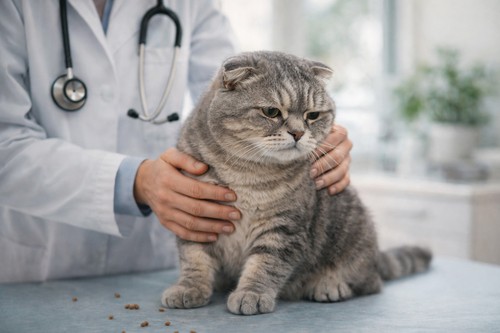
Quick Overview: Why Cats Vomit After Eating and What to Do
| Possible Cause | How Serious Is It? | What You Can Do |
|---|---|---|
| Eating too fast | Usually low | Use a slow feeder, split meals into smaller portions, and track how quickly your cat eats |
| Overeating | Usually low | Measure portions, avoid large meals, and keep a consistent feeding schedule |
| Sudden food change | Low to medium | Transition gradually over 7–10 days and avoid switching multiple foods at once |
| Food sensitivity or intolerance | Medium | Track ingredients, protein sources, and symptoms; speak with a vet if vomiting repeats |
| Hairballs | Low to medium | Brush regularly, monitor frequency, and ask your vet before using hairball remedies |
| Vomiting with diarrhea, weight loss, lethargy, or blood | High | Contact a veterinarian as soon as possible |
| Repeated vomiting or inability to keep food down | High | Do not wait; seek veterinary advice promptly |
When to Worry About Cat Vomiting After Eating
Occasional vomiting may happen, especially if your cat eats too fast, overeats, or has a mild stomach upset.
But frequent or repeated vomiting is different. If your cat vomits often, the problem may be related to digestion, food intolerance, hairballs, or an underlying health issue that needs veterinary attention.
Red Flags That Need Veterinary Attention
Contact a veterinarian if your cat’s vomiting is accompanied by:
- vomiting multiple times in one day
- vomiting several times per week
- lethargy or weakness
- weight loss
- loss of appetite
- diarrhea
- blood in vomit
- signs of pain or discomfort
- dehydration or inability to keep water down
Veterinary experts recommend checking cats when vomiting continues or appears with other symptoms. According to the Royal Veterinary College, ongoing vomiting may be linked to digestive disease, infection, or organ problems and should be examined by a veterinarian.
If vomiting happens regularly, do not try to manage it only by changing food at home. Schedule a vet visit and track when vomiting happens, what your cat ate, and whether any other symptoms appeared.
Early evaluation is usually safer than waiting until the problem becomes more serious.
What to Do If Your Cat Vomits After Eating
What you should do depends on how often vomiting happens, what the vomit looks like, and whether your cat has any other symptoms.
If your cat seems normal and vomiting happens only occasionally, you can start by adjusting feeding habits and tracking patterns.
Practical Steps You Can Try
- feed smaller portions instead of one large meal
- use a slow feeder bowl if your cat eats too fast
- split meals into several smaller feedings during the day
- avoid sudden food changes
- transition to new food gradually over 7–10 days
- monitor whether vomiting happens after dry food, wet food, or a specific ingredient
- keep fresh water available
- track vomiting episodes, meal size, food type, appetite, stool, and energy level
Do not keep changing foods repeatedly without a plan. Too many changes can make it harder to understand what is actually causing the problem.
If vomiting becomes frequent, happens multiple times in one day, or appears with diarrhea, lethargy, weight loss, blood, or loss of appetite, contact a veterinarian.
Why Tracking Feeding Habits Matters
Many cats do not vomit because the food itself is “bad.”
Instead, vomiting may be linked to:
- eating too quickly
- inconsistent meal sizes
- sudden diet changes
- food sensitivities
- overeating
This is why tracking feeding habits can be just as important as choosing the right food.
Patterns such as meal timing, portion size, food type, appetite changes, stool quality, and vomiting episodes often provide valuable clues about what may be triggering digestive problems.
The more information you track, the easier it becomes to identify patterns and have more productive conversations with your veterinarian.
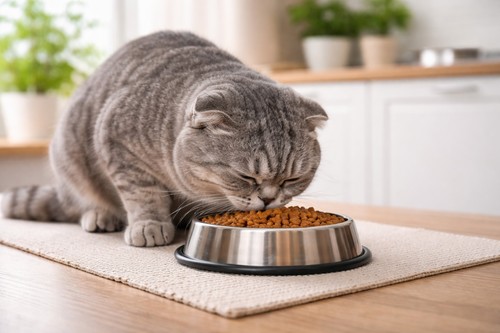
How Personalized Tracking Can Help
Every cat is different.
Two cats can eat the same food and react in completely different ways. One may digest it well, while another may vomit, develop soft stool, lose appetite, or show changes in energy.
That is why vomiting after eating should not only be looked at as a single event. It is often more useful to track patterns over time.
Useful details to track include:
- what your cat ate
- whether the food was dry, wet, or mixed
- how much your cat ate
- how quickly they ate
- when vomiting happened
- what the vomit looked like
- appetite, stool, weight, and energy changes
FAMMO helps pet owners organize food, activity, and health-related data so they can better understand patterns and make more informed feeding decisions.
It does not replace a veterinarian, but it can help you notice changes earlier and prepare better information for your vet if vomiting becomes frequent.
FAQ
Why does my cat throw up immediately after eating?
The most common reasons are eating too fast, overeating, or regurgitation. If your cat brings up undigested food right after eating with little effort, it may be regurgitation rather than true vomiting.
Why is my cat throwing up undigested food after eating?
Undigested food usually means the food came back up soon after being swallowed. This often happens when a cat eats too quickly, eats too much at once, or regurgitates before the food reaches the stomach properly.
What is the difference between vomiting and regurgitation in cats?
Vomiting is active and usually involves retching, heaving, or abdominal effort. Regurgitation is more passive and often happens immediately after eating, with undigested food coming back up quickly.
Can dry food make cats vomit?
Dry food can contribute to vomiting or regurgitation in some cats, especially if they eat kibble too quickly, swallow pieces whole, or react poorly to a specific ingredient or texture. The food type is not always the only cause, so patterns matter.
Can changing cat food cause vomiting?
Yes. Switching food too quickly can upset your cat’s stomach and may lead to vomiting, soft stool, or loss of appetite. A gradual transition over 7–10 days is usually safer unless your veterinarian recommends otherwise.
Can food sensitivity or intolerance cause vomiting in cats?
Yes. Some cats may vomit after eating certain proteins, ingredients, additives, or textures. Food intolerance often causes digestive signs such as vomiting, soft stool, diarrhea, or gas. A true food allergy may also involve itching or skin symptoms.
Can hairballs cause vomiting after eating?
Hairballs can contribute to gagging, retching, or vomiting, especially in long-haired cats or cats that groom frequently. Occasional hairballs may happen, but frequent hairball vomiting should be discussed with a veterinarian.
Is it normal for cats to vomit sometimes?
Occasional vomiting may happen, but frequent vomiting is not something to ignore. If your cat vomits repeatedly, loses weight, stops eating, has diarrhea, seems weak, or has blood in the vomit, contact a veterinarian.
When should I worry about cat vomiting after eating?
You should worry if your cat vomits multiple times in one day, vomits several times per week, cannot keep food or water down, loses weight, stops eating, has diarrhea, seems weak or lethargic, shows signs of pain, becomes dehydrated, or has blood in the vomit.
Occasional vomiting may happen, but repeated vomiting after meals should not be treated as normal.
How can I stop my cat from throwing up after eating?
If your cat throws up after eating because they eat too fast, try smaller meals, a slow feeder, puzzle feeder, or spreading food on a flat plate. You can also avoid sudden food changes and track whether vomiting happens after dry food, wet food, a specific protein, or larger portions.
If vomiting continues, happens more than once a week, or appears with weight loss, diarrhea, blood, lethargy, pain, loss of appetite, or dehydration, contact your veterinarian instead of only changing food at home.
Should I change my cat’s food if they vomit after meals?
Not immediately without a plan. Changing food too often can make the problem harder to understand. First, track the food type, portion size, feeding speed, and symptoms. If vomiting continues, speak with your veterinarian before making major diet changes.
Track Your Cat’s Feeding and Vomiting Patterns
Your cat’s vomiting may not have one obvious cause.
It could be linked to eating speed, portion size, food type, sudden diet changes, hairballs, or a pattern that needs veterinary attention.
👉 Guessing is not enough when your cat’s health is involved.
FAMMO helps you track your cat’s food, appetite, activity, stool, weight, and vomiting patterns, so you can make more informed feeding decisions and prepare better information for your veterinarian if symptoms continue.