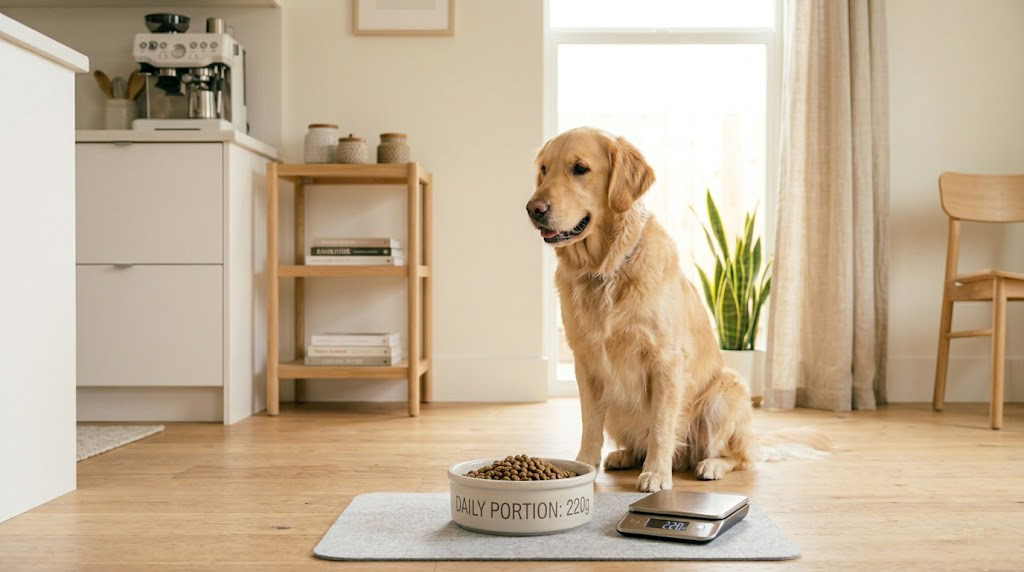
How Much Should I Feed My Dog? Complete Feeding Guide for Every Dog
How Much Should I Feed My Dog? A Complete Guide
Many dog owners ask the same question every day:
“Am I feeding my dog too much… or too little?”
Feeding the wrong amount is one of the most common reasons behind obesity, low energy, and digestive issues in dogs.
The truth is, there is no one-size-fits-all answer.
The right portion depends on your dog’s weight, age, activity level, and metabolism.
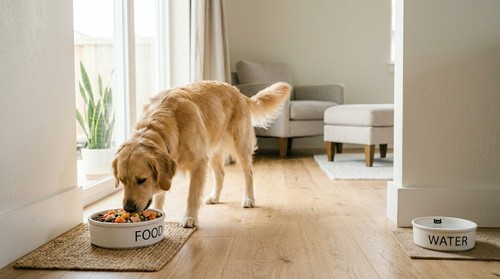
Why Proper Feeding Amount Matters
Overfeeding is one of the biggest health risks for dogs today.
Too much food can lead to:
- obesity
- joint problems
- diabetes
- reduced lifespan
On the other hand, underfeeding can cause:
- low energy
- Weak immune system
- muscle loss
Finding the right balance is essential for long-term health.
Proper portion control is only one part of the equation. Understanding how nutrients affect your dog’s body can make a huge difference in their long-term health. If you’d like to go deeper into this topic, read: Understanding Pet Nutrition: Balancing Your Pet’s Diet for a Healthier Life
How Much Should You Feed Your Dog? (Quick Answer)
As a general rule:
Dogs need about 2% to 3% of their body weight in food per day
Example:
- 5 kg dog → 100g to 150g per day
- 10 kg dog → 200g to 300g per day
- 20 kg dog → 400g to 600g per day
However, this is only a starting point.
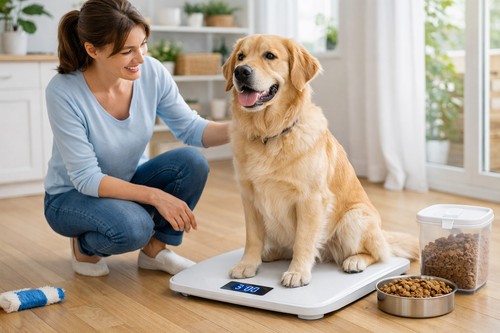
Key Factors That Affect Feeding Amount
1. Age
- Puppies need more calories (growth phase)
- Adult dogs need balanced maintenance
- Senior dogs need fewer calories
Choosing the right food is just as important as feeding the right amount. If you’re unsure which diet works best for your dog, read our detailed guide: The Ultimate Guide to Choosing Healthy Dog Food by Breed, Weight & Age
2. Activity Level
A highly active dog burns more calories.
- active dog → more food
- indoor/low activity dog → less food
3. Breed & Size
Small breeds have faster metabolism
Large breeds need controlled feeding to avoid joint stress
4. Type of Food
- dry food → more calorie-dense
- wet food → lower calories but more volume
How Often Should You Feed Your Dog?
Feeding schedule matters as much as portion size.
Best practice:
- Puppies → 3 to 4 meals per day
- Adult dogs → 2 meals per day
- Senior dogs → 2 smaller meals
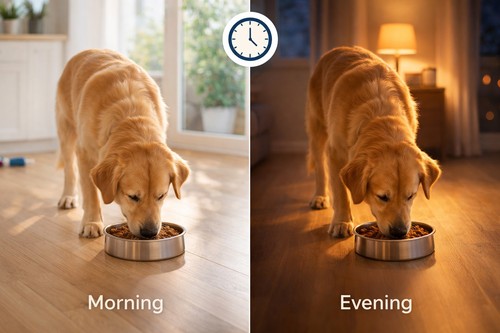
Consistent timing helps regulate digestion and prevents overeating.
Signs You Are Feeding Too Much (or Too Little)
Overfeeding signs:
- weight gain
- low activity
- difficulty moving
- visible fat around ribs
Dog obesity has become one of the fastest-growing health problems in pets. Learning how to detect and prevent it early can dramatically improve your dog’s quality of life. You can learn more in our guide: Prevent Pet Obesity with AI
Underfeeding signs:
- visible ribs
- low energy
- constant hunger
- Muscle weakness
If you notice these signs, adjust portions gradually.
Common Feeding Mistakes Dog Owners Make
Many owners unintentionally overfeed their dogs.
Common mistakes:
- free feeding all day
- too many treats
- ignoring activity level
- not adjusting food as dog ages
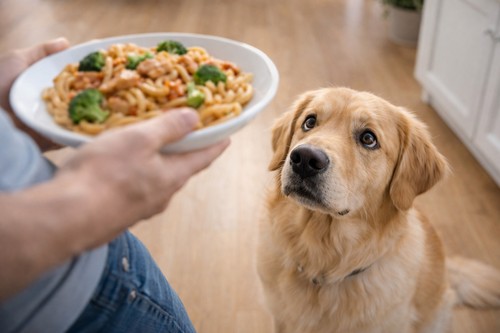
Dogs are very good at asking for food, but that doesn’t mean they need it.
How to Find the Perfect Portion for Your Dog
Instead of guessing, the best approach is to use data + observation.
Monitor:
- weight changes
- energy levels
- digestion
- behavior
According to the American Veterinary Medical Association (AVMA), maintaining a healthy body condition score is more important than fixed portion sizes.
Smarter Feeding with Data (Future of Pet Nutrition)
Every dog is unique.
Two dogs with the same weight can have completely different nutritional needs.
That’s why personalized nutrition is becoming essential.
Platforms like FAMMO help analyze your dog’s:
- weight
- activity level
- lifestyle
- feeding habits
This allows you to move from guessing → to data-driven feeding decisions.
Conclusion
Feeding your dog the right amount is one of the most important decisions for their health.
There is no universal portion, only what works for your dog.
By understanding your dog’s needs and adjusting based on real signals, you can prevent health issues and improve quality of life.
If you want to stop guessing and start feeding your dog the right way:
Tools like FAMMO AI pet health insights analyze your dog’s data and give personalized feeding recommendations based on real needs.
Start understanding your dog better here:
Let’s start