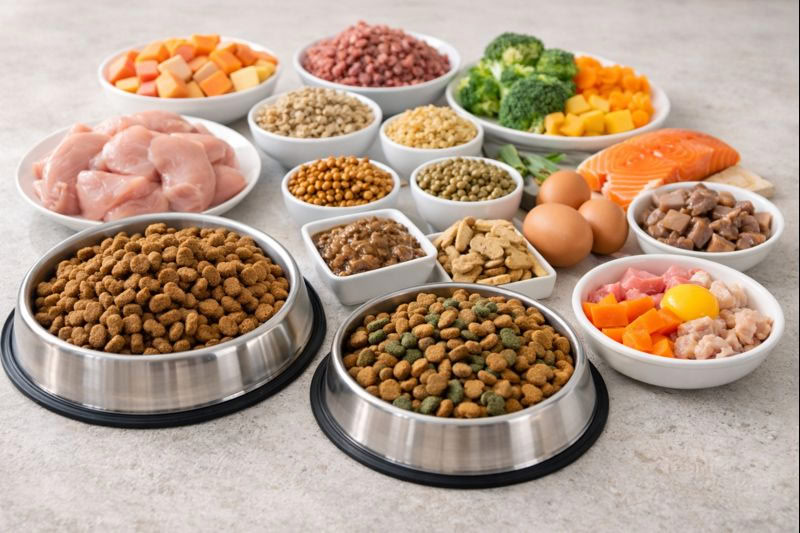
Have you ever found yourself puzzled in the pet food aisle, unsure of what to choose for your furry friend? You’re not alone! Picking the right food is crucial for your pet’s health and happiness. In this guide, we’ll explore everything you need to know about balancing your pet’s diet with the right nutrients and ingredients.

Understanding the Basics of Pet Nutrition
What It Is
Pet nutrition involves providing your pet with a balanced diet that meets their specific needs. This includes proteins, fats, carbohydrates, vitamins, and minerals in the right proportions.
Why It Matters
Proper nutrition helps:
- Support immune function
- Maintain a healthy weight
- Promote a shiny coat and healthy skin
- Enhance energy levels
Key Factors & Considerations
Important Factors
- Age: Puppies and kittens have different needs than adult pets.
- Breed: Certain breeds may have specific dietary requirements.
- Activity Level: Active pets may need more calories and nutrients.
How It Affects Your Pet
Nutrition impacts everything from your pet’s energy levels to their long-term health. According to the American Kennel Club, a balanced diet can prevent obesity-related diseases and improve overall wellbeing.

Practical Options/Solutions for a Balanced Diet
Option 1: Commercial Pet Food
Pros: Convenient, nutritionally balanced
Cons: Can contain fillers or preservatives
Option 2: Home-Cooked Meals
Pros: Control over ingredients
Cons: Time-consuming, risk of nutritional imbalance
Option 3: Raw Diet
Pros: Natural ingredients
Cons: Risk of bacterial contamination
Step-by-Step Guide to Balancing Your Pet’s Diet
- Consult Your Vet: Always start by discussing your pet’s dietary needs with a veterinarian.
- Choose Quality Ingredients: Look for high-quality proteins and whole grains.
- Monitor Portion Sizes: Adjust based on your pet’s age, weight, and activity level.
- Regular Check-Ups: Keep track of your pet’s health with regular vet visits.

What to Watch For in Your Pet’s Diet
- Weight Gain/Loss: Unexpected changes may indicate dietary issues.
- Dull Coat: Could suggest a lack of essential fatty acids.
- Lethargy: May be a sign of insufficient nutrients.
When to See a Vet
If you notice any concerning symptoms or changes in your pet’s behavior, it’s important to consult a veterinarian promptly. Early intervention can make a big difference in your pet’s health.
Conclusion
- A balanced diet is essential for your pet’s health and happiness.
- Consider age, breed, and activity level when choosing food.
- Consult with your vet to tailor a diet specific to your pet’s needs.
By understanding and meeting your pet’s nutritional needs, you’re laying the foundation for a joyful and healthy life together. For more personalized advice, consult with your vet or explore resources like FAMMO to ensure your pet gets the best care possible.
Remember, a happy pet is a healthy pet, and with the right nutrition, you can help them thrive!