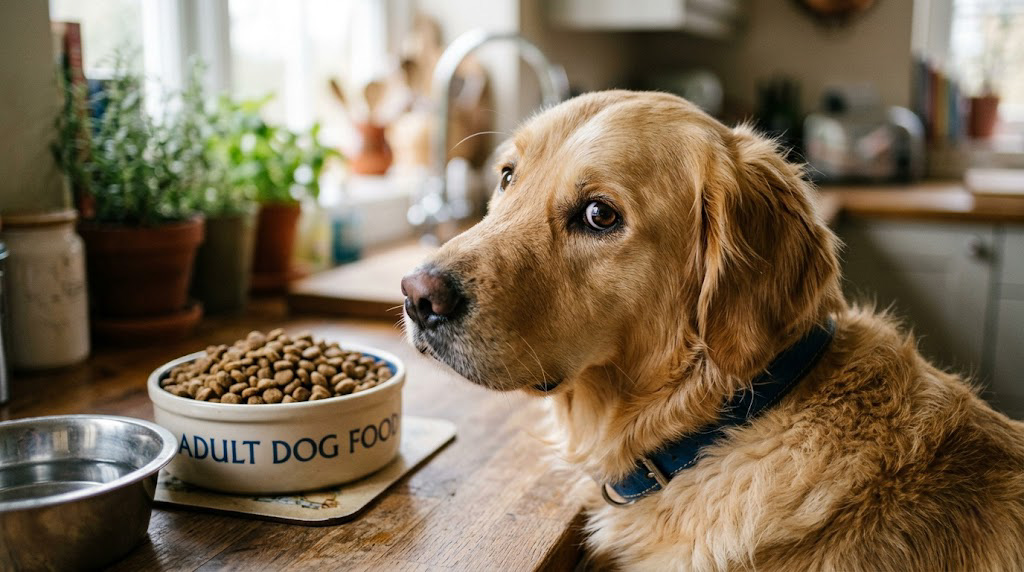
Dog Not Eating: What to Do When Your Dog Refuses Food
One of the most worrying moments for any dog owner is placing food in the bowl… and watching their dog ignore it.
Most dogs are enthusiastic eaters. So when a dog suddenly refuses food, it can feel alarming.
But here’s the important thing to understand:
A dog skipping one meal is not always an emergency.
However, if your dog refuses food for longer than expected, it may signal stress, digestive problems, illness, or dietary issues.
In this guide, we’ll explore:
- the most common reasons dogs stop eating
- what you can do at home
- when to contact a veterinarian
- practical ways to encourage your dog to eat again
By understanding the root cause, you can help your dog return to a healthy appetite quickly and safely.
How Long Can a Dog Safely Go Without Eating?
Healthy adult dogs can sometimes skip a meal without any serious problem.
But how long is too long?
General guidelines:
- Healthy adult dogs: up to 24 hours without food may happen occasionally
- Puppies: should not skip meals for long (risk of low blood sugar)
- Senior dogs: appetite loss should be monitored carefully
According to the American Kennel Club, dogs that refuse food for more than 24–48 hours should be evaluated by a veterinarian to rule out medical problems.
If your dog is also showing symptoms such as vomiting, diarrhea, lethargy, or pain, contact a vet immediately.
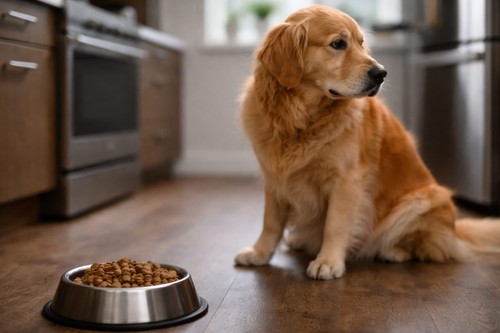
Common Reasons Why Dogs Stop Eating
There are many possible reasons behind appetite loss. Some are temporary, while others require medical attention.
1. Stress or Anxiety
Dogs are very sensitive to changes in their environment.
Appetite loss can occur if your dog experiences:
- moving to a new home
- loud environments
- new pets or family members
- separation anxiety
- changes in routine
Stress can temporarily reduce appetite.
You can learn more about how stress affects pets in our article on
stress in cats and dogs: signs, causes, and calming solutions.
2. Digestive Issues
Digestive discomfort can make dogs avoid food.
Common causes include:
- mild stomach upset
- eating spoiled food
- sudden diet changes
- food intolerance
Signs of digestive problems:
- vomiting
- diarrhea
- stomach noises
- excessive licking of lips
If these symptoms appear together with appetite loss, your dog may need veterinary attention.
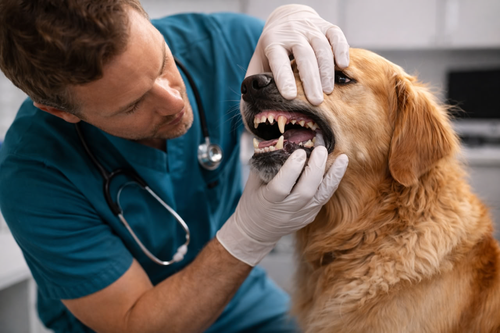
3. Dental Pain
Dogs with dental problems often stop eating because chewing becomes painful.
Possible dental issues include:
- gum infections
- broken teeth
- tartar buildup
- oral injuries
Symptoms to watch for:
- drooling
- bad breath
- chewing on one side of the mouth
- dropping food
Regular dental care plays a big role in maintaining appetite and overall health.
4. Recent Vaccination
Some dogs temporarily lose appetite after vaccinations.
This usually resolves within 24 hours.
If the appetite does not return within a day or two, consult your veterinarian.
5. Overfeeding or Too Many Treats
Sometimes the explanation is surprisingly simple.
If your dog receives:
- frequent treats
- table scraps
- too many snacks
they may simply not be hungry at mealtime.
Feeding a balanced portion is essential for maintaining appetite and preventing obesity.
Our guide on
how much should I feed my dog explains the correct portion sizes for different dogs.
When Appetite Loss Could Be a Medical Emergency
Sometimes appetite loss signals a serious health issue.
Contact your veterinarian if your dog shows:
- vomiting or diarrhea
- extreme lethargy
- weight loss
- difficulty breathing
- pale gums
- bloated abdomen
Certain conditions can cause appetite loss, including:
- infections
- kidney disease
- liver disease
- pancreatitis
- intestinal blockages
You can read more about warning signs in pets in our article on
early signs of illness in dogs and cats you should never ignore.
What You Can Do If Your Dog Won’t Eat
Before panicking, try these practical solutions.
1. Check the Food Quality
Food may lose appeal if it becomes stale or spoiled.
Make sure:
- kibble is stored properly
- wet food is fresh
- bowls are clean
Dogs can refuse food simply because it no longer smells appealing.
2. Warm the Food Slightly
Heating food slightly can increase its aroma.
Dogs rely heavily on smell when deciding whether to eat.
A small increase in scent can make food more appealing.
3. Reduce Treats
If your dog receives snacks throughout the day, reduce them.
Stick to scheduled feeding times and remove uneaten food after 20 minutes.
This helps restore normal eating habits.
4. Try a New Protein Source
Some dogs develop sensitivities to certain ingredients.
Changing to a different protein source such as:
- fish
- lamb
- duck
may improve appetite.
You can explore safe protein options in our guide on the best proteins for sensitive pets.
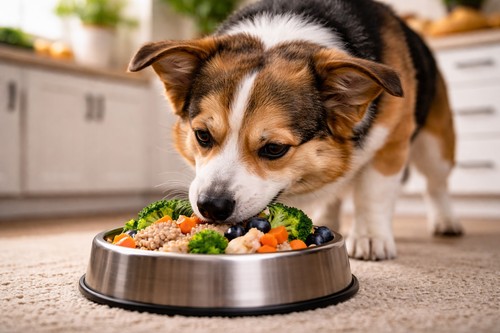
How to Encourage a Dog to Eat Again
If your dog’s appetite has dropped temporarily, these strategies may help.
Improve Mealtime Environment
Dogs prefer calm environments during meals.
Avoid feeding your dog:
- near loud noises
- near other aggressive pets
- in high-traffic areas
A quiet feeding space encourages relaxed eating.
Maintain a Consistent Feeding Schedule
Dogs thrive on routine.
Feed your dog at the same times every day.
Consistency helps regulate hunger signals.
Add Healthy Toppers
Sometimes adding a small topper can stimulate appetite.
Examples include:
- plain boiled chicken
- small amounts of pumpkin
- low-sodium bone broth
Pumpkin can also support digestion.
Learn more in
the incredible benefits of pumpkin for your dog or cat.
Preventing Appetite Problems in the Future
Preventing feeding issues is often easier than solving them.
Healthy feeding habits include:
- feeding high-quality balanced food
- maintaining consistent feeding times
- avoiding excessive treats
- monitoring weight and activity levels
- scheduling regular vet checkups
A well-balanced diet supports:
- immune function
- digestion
- energy levels
- long-term health
For a deeper understanding of balanced diets, the World Small Animal Veterinary Association nutrition guidelines are an excellent reference
Final Thoughts
If your dog refuses food, it’s natural to worry.
But in many cases, the cause is temporary and easy to fix.
Start by observing your dog carefully:
- Are there other symptoms?
- Has anything changed in the environment?
- Has the diet recently changed?
If appetite loss lasts longer than 24–48 hours, it’s always safest to consult a veterinarian.
A healthy dog should generally look forward to meals.
If your dog’s eating habits change suddenly, it’s your pet’s way of telling you something may need attention.
Want Personalized Nutrition Advice for Your Dog?
Every dog is different.
Age, breed, activity level, and health conditions all influence the right diet.
FAMMO analyzes your dog’s nutrition, lifestyle, and health data to generate personalized feeding recommendations designed for long-term wellbeing.
Start here:
Create Free Account