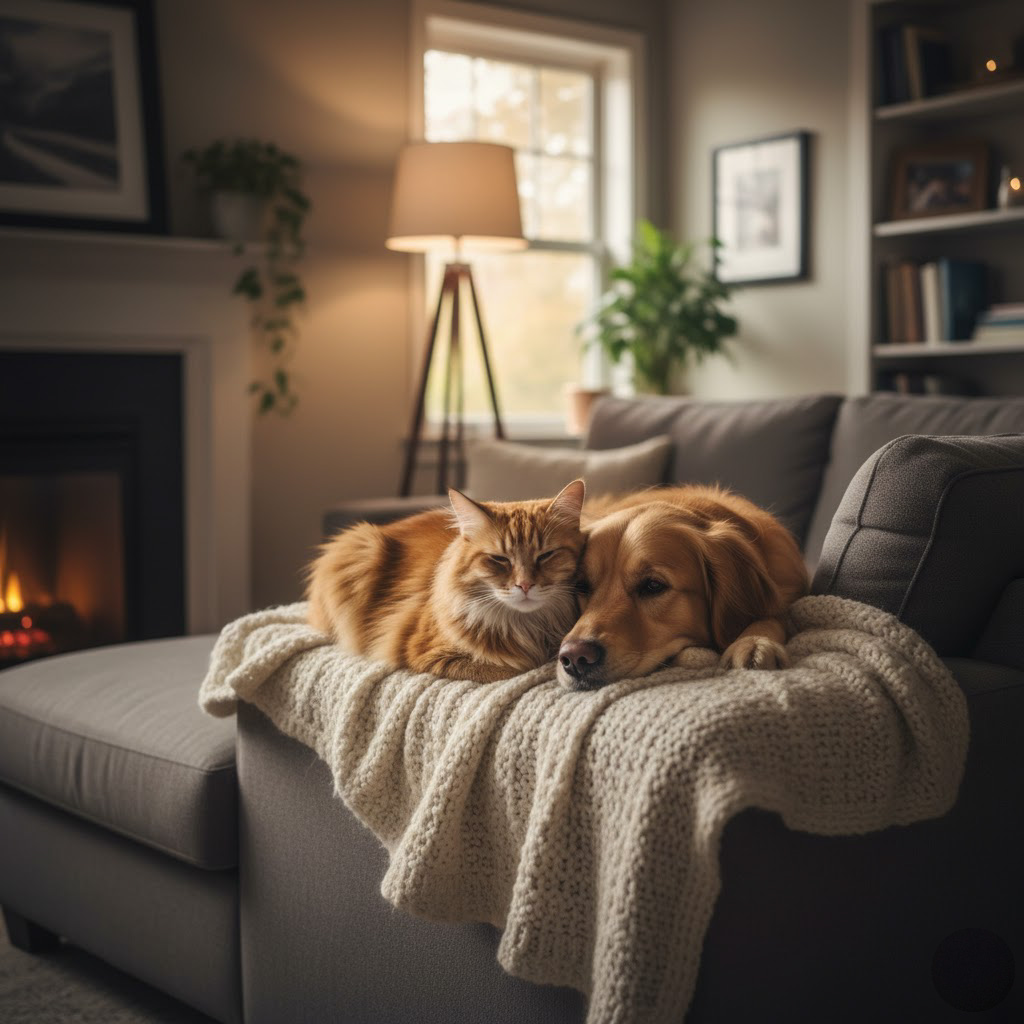
Pets feel emotions just like humans — and stress is one of them. Whether caused by loud noises, new environments, or separation, stress can affect your cat’s or dog’s health and happiness. Recognizing the signs early and knowing how to help can make all the difference.
Table of Contents
- What Causes Stress in Cats and Dogs?
- Common Signs of Stress
- How to Reduce Stress Naturally
- When to Seek Professional Help
- FAQ
- Key Takeaways
What Causes Stress in Cats and Dogs?
Stress can stem from environmental changes, emotional disturbances, or physical discomfort.
- Environmental triggers: Moving homes, new furniture, loud noises, or a new pet.
- Social triggers: Separation anxiety, loneliness, or conflict with other pets.
- Health-related causes: Pain, illness, or lack of exercise.

Common Signs of Stress
Cats and dogs show stress differently, but there are universal red flags to watch for.
In Dogs:
- Excessive barking or whining
- Panting even when not hot
- Trembling, hiding, or pacing
- Destructive behavior or house accidents
In Cats:
- Overgrooming or loss of fur
- Avoiding the litter box
- Hiding, aggression, or excessive meowing
- Sudden changes in appetite
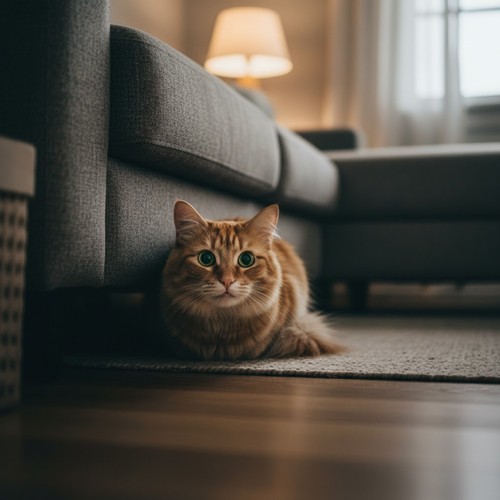
How to Reduce Stress Naturally
1. Create a Safe Space
Provide a calm, quiet zone where your pet can retreat — with their favorite toys, blanket, and familiar scents.
2. Keep a Routine
Animals thrive on predictability. Feed, walk, and play at consistent times.
3. Use Calming Tools
Try pheromone diffusers, natural supplements (like chamomile or valerian), or a gentle pet massage.
4. Enrichment and Exercise
Playtime and mental stimulation release endorphins — the “happy hormones.” A tired pet is a calm pet.
5. Stay Calm Yourself
Pets pick up on human emotions. A relaxed owner helps create a peaceful environment.

When to Seek Professional Help
If your pet’s stress persists for weeks or causes harm (like hair loss or aggression), contact a veterinarian or animal behaviorist. Chronic stress can indicate underlying medical issues or deep anxiety disorders.
According to the American Veterinary Medical Association (AVMA), stress management in pets improves lifespan and behavioral stability.

FAQ
1. How long does pet stress last?
Mild stress can fade in hours, but chronic stress might persist for weeks without intervention.
2. Are calming treats safe for pets?
Yes, most natural treats are safe if vet-approved and given in moderation.
3. Can music help pets relax?
Yes! Classical or low-frequency music can reduce anxiety in both cats and dogs.
4. Is my pet stressed or just bored?
Boredom usually shows as mild restlessness. Stress involves physical symptoms like panting, hiding, or aggression.
Key Takeaways
- Stress affects both cats and dogs — emotionally and physically.
- Watch for behavior changes like hiding, vocalizing, or destructive acts.
- Maintain a steady routine, provide safe spaces, and use natural calming aids.
- Seek professional help if stress signs persist or worsen.
Conclusion: A Calm Pet Is a Happy Pet
Your pet’s emotional health is as vital as their physical wellbeing. With patience, understanding, and consistency, you can create a home where calmness thrives.
Give your furry friend the comfort they deserve — a peaceful space, loving care, and lots of playtime.
Category: Health, Guides, Pets