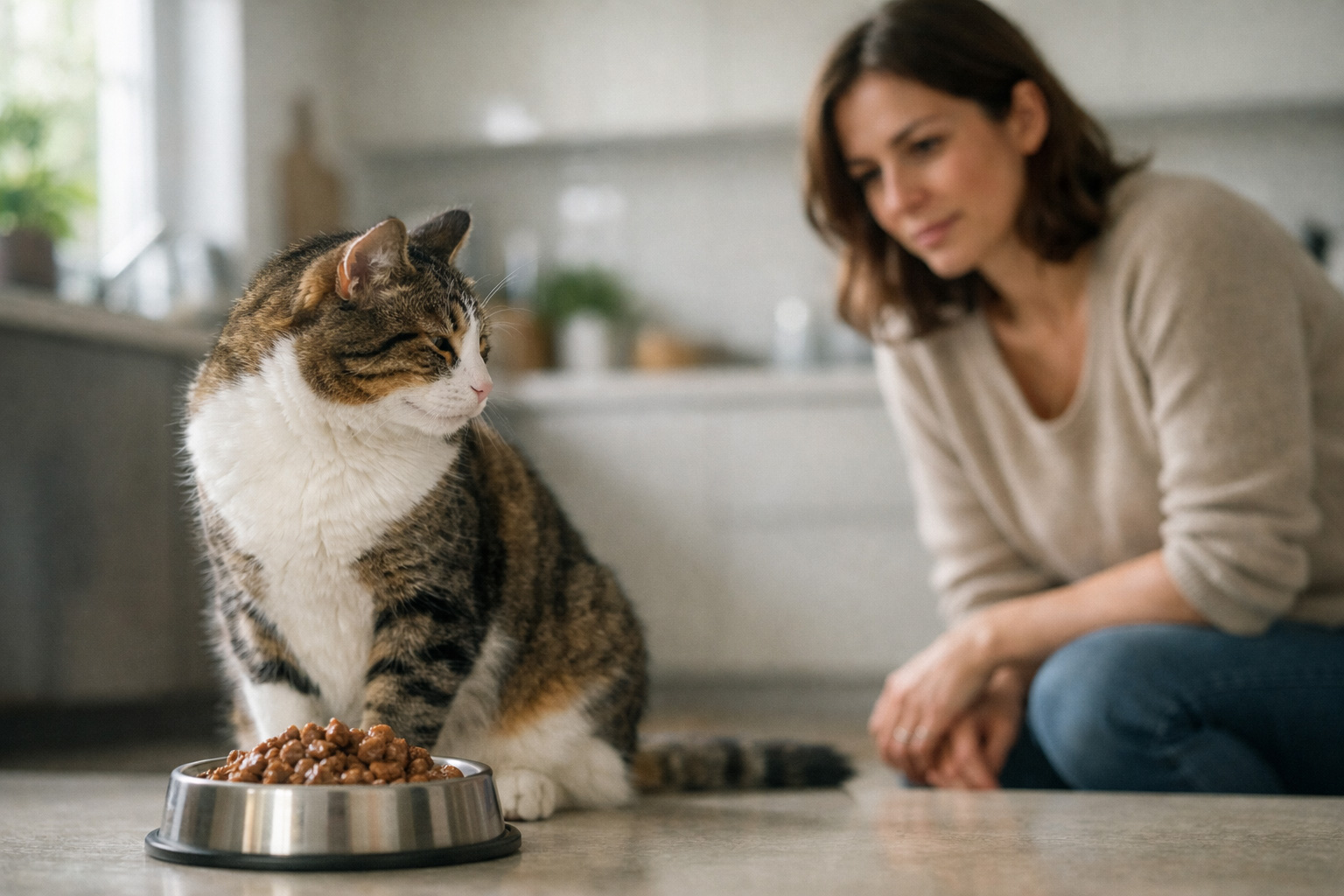
A cat that suddenly stops eating may be feeling sick, in pain or stressed. A food change can also affect appetite, but you cannot tell the cause from the food bowl alone.
This guide explains what to check, when to contact your vet and which feeding steps may help without delaying care.
Quick Answer: Why Is My Cat Not Eating?
Possible causes include dental pain, nausea, illness, stress or a change in food or feeding location. Drinking water, accepting a few treats or acting normally does not rule out a health problem.
Contact your vet promptly if your cat stops eating. If an adult cat has eaten nothing for 24 hours, seek veterinary advice urgently—even if they seem well. This is not a recommended waiting period.
Seek help sooner if your cat seems unwell or is a kitten. While arranging advice, note when they last ate a normal meal, how much they have eaten since and any other changes.
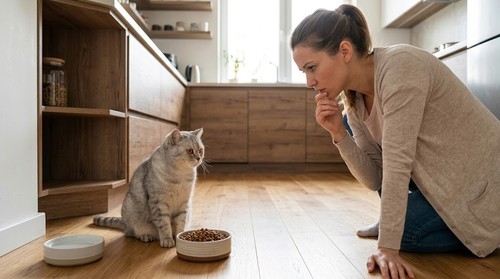
How Long Can a Cat Go Without Eating?
There is no single safe waiting period for every cat. Age, health and how much food they are actually eating all matter. If your cat has already gone a full day without food, contact your vet urgently rather than trying more foods first.
Why Not Eating Can Harm the Liver
When a cat eats too little, the body starts using stored fat for energy. Fat can build up in the liver and interfere with its function, causing a serious condition called hepatic lipidosis, or fatty liver disease.
Overweight cats are particularly vulnerable, although other cats can develop it too. The Cornell Feline Health Center explains this link between food avoidance and liver disease. It does not mean fatty liver develops at a fixed 24-hour mark.
Eating a Little Still Needs Attention
Tell your vet whether your cat has stopped eating completely or is eating much less than usual. A few treats or licks of gravy do not tell you whether they are getting enough food.
Record what you offered, roughly how much they ate and when they last finished a normal meal. These details help your vet assess the change.
If your cat is also showing other signs of illness, you should check our post on early signs of illness in dogs and cats you should never ignore.
Medical Reasons Your Cat May Stop Eating
Loss of appetite is a sign, not a diagnosis. Several health problems can make a cat feel less hungry or make eating uncomfortable. The observations below can help you describe the problem to your vet, but they cannot identify the cause on their own.
1. Dental Disease and Mouth Pain
Sore gums, damaged teeth and other mouth problems can make chewing painful. Your cat may approach food but drop pieces, chew on one side, drool or back away after trying to eat.
What to note: Does your cat seem interested in food but struggle to pick it up or chew? Mention this when booking the appointment.
2. Nausea and Digestive Problems
Problems affecting the stomach, intestines or pancreas can reduce appetite. Vomiting or diarrhoea may occur, but a cat can also feel nauseous without being sick.
What to note: Tell your vet about vomiting, changes in stools and anything unusual your cat may have swallowed. Do not assume appetite loss is simply a hairball.
If vomiting happens after meals, our guide explains what to observe and report to your vet cat vomiting after eating.
3. Kidney Disease and Other Illnesses
Kidney disease can cause nausea and reduced appetite. Other illnesses, fever and pain elsewhere in the body can also affect eating. Appetite loss alone does not tell you which condition, if any, is responsible.
What to note: Changes in thirst, urination, weight, activity or hiding behaviour are useful details to report alongside reduced food intake.
4. Respiratory Infections
A blocked nose can make food harder to smell and less appealing. Some respiratory infections also cause painful mouth ulcers, making eating uncomfortable.
What to note: Report sneezing, discharge from the eyes or nose, and any apparent mouth discomfort. Do not assume your cat only needs a more strongly scented meal.
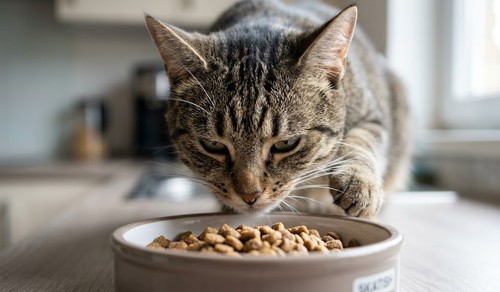
Can Stress or the Feeding Environment Affect Appetite?
Stress can reduce a cat’s appetite. Moving home, unfamiliar people, a new pet or a change in routine may affect how comfortable they feel at mealtimes. However, a recent change at home does not rule out illness.
Changes at Home and Disrupted Routines
Think about what changed around the time your cat began eating less. Were there visitors, building work or changes to their usual feeding routine?
Keep familiar routines where possible and provide a quiet place where your cat can retreat. Let them approach food voluntarily rather than repeatedly carrying them back to the bowl.
Noise, Bowl Location and Other Pets
Check whether your cat can reach their food and eat without being disturbed.
Place food away from noisy appliances, busy doorways and the litter tray.
If you have several cats, offer separate feeding locations so each can eat without competition.
Keep dogs away from the cat’s feeding area.
Watch whether another pet approaches the bowl or eats the food you thought your cat had eaten.
These changes may make mealtimes more comfortable, but they should not delay veterinary advice when your cat stops eating.
For more ways to reduce everyday stress, explore our guide to stress in cats and dogs.stress in cats and dogs: signs, causes, and calming solutions.
Could the Food Itself Be the Problem?
A change in smell, texture or freshness may make familiar food less appealing. Check the following, but do not assume food preference explains a sudden loss of appetite.
A recent food change: Did you open a different flavour, texture or product? Check the packaging rather than assuming the recipe has changed. Tell your vet if reduced eating began after a switch.
Freshness and storage: Check the expiry date and storage instructions. Discard food that smells unusual or appears spoiled. Wash the bowl and rinse it thoroughly before offering fresh food.
Temperature and texture: Some cats prefer wet food at room temperature rather than straight from the fridge. Note whether your cat rejects everything or only a particular texture.
The food dish: You can offer the same food on a clean, shallow dish to see whether your cat prefers it. However, “whisker fatigue” is not a proven explanation for appetite loss, and changing bowls does not rule out a medical problem.
If your cat eats only gravy or a few treats, record that separately from eating a normal meal. Avoid repeatedly switching foods while postponing veterinary advice.
For everyday feeding decisions, our wet vs dry cat food guide compares the practical differences between both formats. wet vs dry cat food.

Why Is My Cat Not Eating but Drinking Water?
Drinking water does not make a lack of food harmless. A cat may still drink while nausea, mouth pain or another health problem affects eating. Drinking more than usual is also an important change to report, not proof of a particular disease.
Keep fresh water available. Tell your vet whether drinking and urination have increased, decreased or stayed the same, and when your cat last ate a normal meal.
Contact your vet promptly rather than waiting for your cat to stop drinking too.
Why Is My Cat Not Eating but Acting Normal?
A cat may still play, groom or seek attention despite a health problem. Normal-looking behaviour cannot reliably distinguish food preference from illness.
Check whether your cat has genuinely missed food or has eaten elsewhere, especially in a home with several pets. Compare the amount eaten with their usual intake rather than relying on whether the bowl looks emptier.
If your cat has stopped eating, contact your vet even if everything else seems unchanged. Mention whether they approach food but cannot eat, or show no interest at all.
Why Is My Older Cat Not Eating?
Do not dismiss a new loss of appetite as “just old age.” Dental problems, kidney disease and other illnesses can affect eating. Joint pain may also make it harder to reach a bowl upstairs or on a raised surface.
Keep food within easy reach and contact your vet promptly. Mention any weight loss, difficulty moving or recent changes in medication. Do not stop prescribed medication or switch to a therapeutic diet without veterinary advice.
Why Is My Kitten Not Eating?
Contact your vet promptly if your kitten refuses food. Give their age, when they last ate and whether they are fully weaned. Do not apply an adult cat’s 24-hour threshold to a kitten.
Very young kittens are especially vulnerable. The Cornell Feline Health Center warns that just 12 hours without food can be life-threatening for kittens under six weeks old. This is a warning, not a safe waiting period.
If your kitten is weak, unusually sleepy or struggling to feed, seek urgent veterinary help rather than trying different foods first.
My Cat Is Not Eating: What Should I Do Next?
Use this table to decide what to report and how quickly to seek help. It cannot tell you whether your cat is simply being selective or has a medical problem.
What you notice | What to do |
|---|---|
Eating less than usual, accepting only treats or licking gravy | Note how much they actually eat and contact your vet about the change. Small bites do not necessarily mean adequate food intake. |
Approaching food but dropping it, drooling or struggling to chew | Contact your vet promptly and describe the difficulty eating. |
No food for 24 hours in an adult cat | Seek veterinary advice urgently, even if they appear well. Do not wait this long if you notice the problem sooner. |
A kitten refusing food | Contact your vet promptly and give the kitten’s age and last feeding time. Do not use the adult 24-hour threshold. |
Reduced appetite with repeated vomiting, marked weakness or inability to keep water down | Contact your vet immediately for urgent assessment. |
Difficulty breathing, breathing through an open mouth or collapse | Seek emergency veterinary care immediately, regardless of when your cat last ate. |
While arranging care, keep a short record of meals and symptoms. Do not delay contacting your vet to complete the record or try every feeding suggestion below.
How to Encourage Your Cat to Eat Safely
Ask your vet whether home feeding steps are appropriate for your cat. If they recommend trying them, use the suggestions below alongside their advice, not as a reason to postpone an examination.
1. Offer Small, Fresh Portions
Start with a small amount of familiar food rather than a large, full bowl. Offer fresh portions at intervals agreed with your vet, and follow the packaging instructions for storing opened food.
If your cat has a prescribed diet, ask before replacing it or adding anything to it.
2. Adjust the Food Temperature
If your cat normally eats wet food, try serving it at room temperature instead of straight from the fridge. Gentle warming may make its smell more noticeable.
Mix warmed food thoroughly and check that it is not hot before serving. There is no single microwave time that is suitable for every portion.
Cats Protection’s feeding guide recommends small, regular portions and explains how food temperature and smell may encourage eating.
3. Let Your Cat Choose to Eat
Offer food in the quiet feeding area described above. You can offer a little from your hand if your cat approaches willingly, but stop if they turn away or become distressed.
Do not push food into their mouth. The Cornell Feline Health Center explains that forcing food can worsen food aversion. Syringe feeding or other assisted feeding should only be attempted under specific veterinary guidance.
4. Know When These Steps Are Not Enough
If your cat continues refusing food or eats only tiny amounts, update your vet rather than repeatedly trying new flavours or toppers. They may need treatment for the underlying problem and a supervised nutrition plan.
Do not give appetite stimulants or other medication unless your vet has prescribed them for your cat.
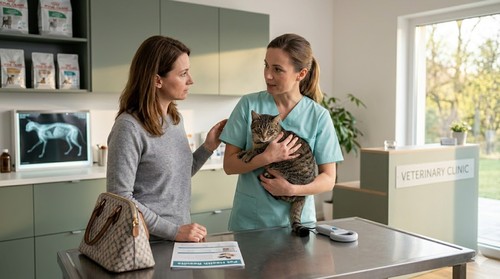
What to Tell Your Vet and What to Expect
When you call, explain first that your cat is not eating and mention any urgent symptoms from the table above. Ask how soon they need to be seen.
Have These Details Ready
Share what you already know:
Your cat’s age, existing health conditions and current medication.
When they last ate normally and how much they have eaten since.
Any vomiting, changes in drinking or toileting, weight loss or unusual behaviour.
Recent changes in food, routine or access to anything they might have swallowed.
A photo of the food packaging or a short video of difficulty eating may help explain what you have noticed. Do not delay care to collect them.
How the Vet May Investigate
Your vet will examine your cat, including their mouth and teeth, and assess their general condition. Depending on the findings, they may recommend blood tests, imaging or other investigations.
Treatment aims to address the cause and help your cat receive enough nutrition. Some cats need medication or additional feeding support; the right approach depends on the examination.
Before leaving, ask: What should I offer, how much should my cat eat, and when should I call back if they do not improve?
This article provides general information and does not replace veterinary diagnosis or treatment.
Frequently Asked Questions
Why Is My Cat Eating Treats but Not Regular Food?
Your cat may prefer the treats’ smell or texture, but accepting them does not rule out nausea, mouth pain or another health problem. Treats alone are not a balanced replacement for normal meals. Record how much regular food and how many treats your cat eats, and contact your vet about the change rather than repeatedly topping up with treats.
What If My Cat Has Not Eaten for Two Days?
Contact your vet or an emergency veterinary service now. Two days without food is well beyond the point for urgent veterinary advice, even if your cat drinks water or appears alert. Tell them when your cat last ate and mention any other symptoms. Do not spend more time trying different foods before calling.
Should I Force-Feed My Cat?
Do not force food into your cat’s mouth. This can cause distress and worsen food aversion. If your cat needs assisted feeding, your vet should choose the method and explain how to do it safely. Only attempt syringe feeding if your vet has specifically instructed you and shown you the technique.
Can I Give My Cat an Appetite Stimulant?
Only give an appetite stimulant prescribed by your vet for that cat. Medication may help in some cases, but it does not replace investigating why your cat stopped eating. Do not use leftover medication or another pet’s prescription. If a prescribed stimulant does not help, contact your vet rather than increasing the dose yourself.
What Should I Do If My Cat Starts Eating Again?
Note how much they eat over subsequent meals, rather than assuming a few bites mean they have recovered. Follow any feeding and medication instructions your vet has given you. If your cat had gone a full day without food, still seek veterinary advice even if they have now eaten a little. Update your vet if intake remains low, appetite drops again or other symptoms continue.
Your Next Step
If your cat stops eating, contact your vet rather than assuming they are being picky. Your most useful observations are when they last ate normally, how much they have eaten since and what else has changed. Use these details to support veterinary care—not to diagnose the cause yourself.
Support Everyday Feeding Decisions with FAMMO
Once your vet has addressed the appetite problem, FAMMO can help with everyday nutrition questions. Create your cat’s profile to explore personalised feeding guidance based on details such as age, weight, activity and dietary needs.
Use this guidance alongside your vet’s advice, especially if your cat needs a prescribed diet. FAMMO does not diagnose appetite loss or replace veterinary treatment.