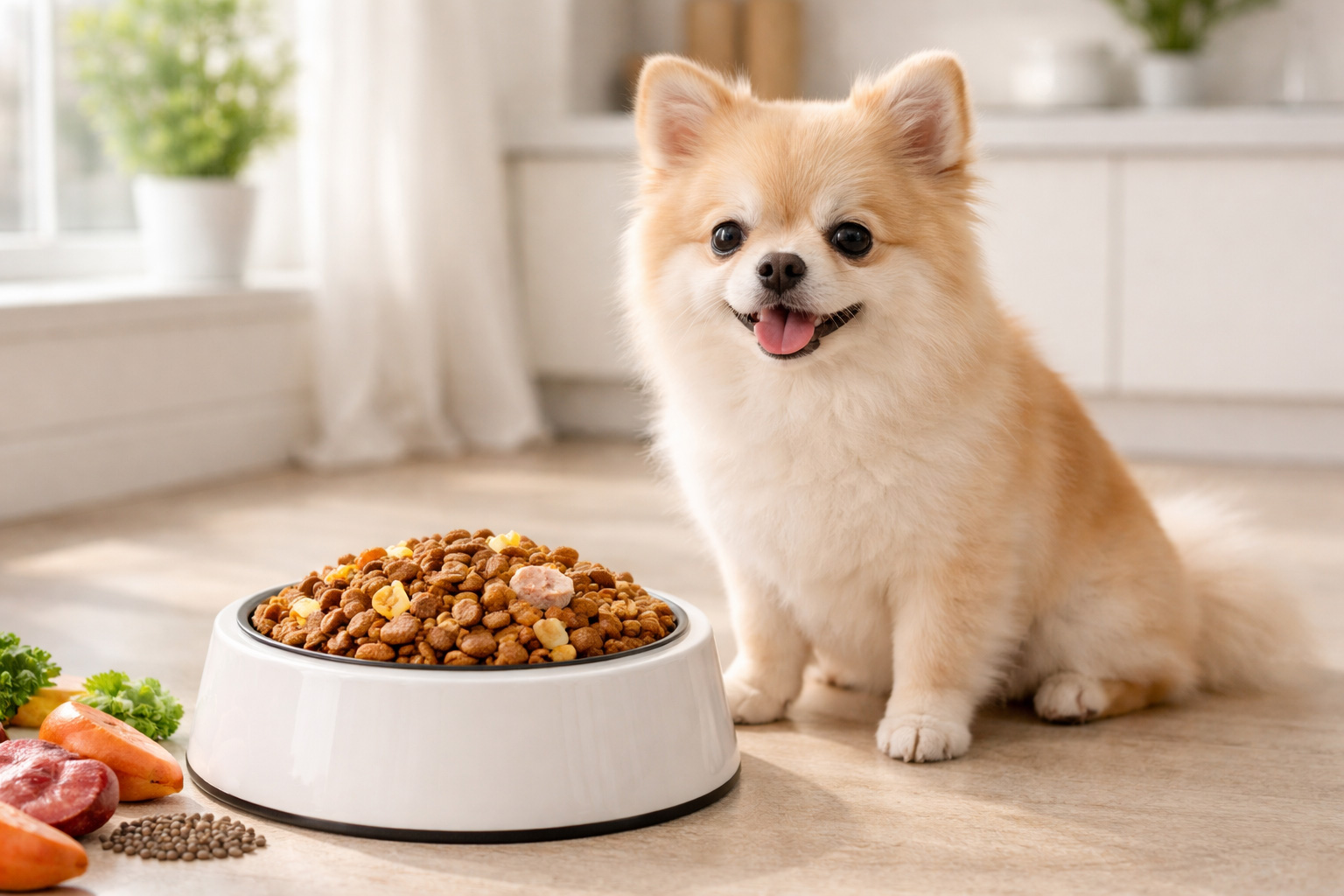
Best Dog Food for Small Breeds in 2026: A Complete Feeding Guide
Best Dog Food for Small Breeds: How to Choose the Right Food for Small Dogs
Choosing the best dog food for small breeds is not as simple as picking the smallest bag on the shelf.
Small dogs may be tiny, but their nutritional needs are highly specific. Breeds such as Chihuahuas, Pomeranians, Yorkshire Terriers, Maltese dogs, Shih Tzus, and Toy Poodles often need food that supports fast metabolism, small jaws, sensitive digestion, healthy weight, and steady daily energy.
The wrong small breed dog food can lead to problems such as:
-
Unwanted weight gain
-
Digestive issues and sensitivities
-
Low energy or lethargy
-
Picky eating habits
-
Poor coat condition
-
Long-term health problems
That is why choosing the right food for small dogs should be based on more than brand name or packaging. You need to look at ingredients, calorie density, kibble size, protein quality, life stage, and your dog’s individual health profile.
In this complete feeding guide, we explain what small breed dogs really need, what to look for in healthy dog food, which mistakes to avoid, and how to choose the best dog food for small breeds in 2026.
Table of Contents: What You’ll Learn in This Guide
- Quick Answer: What Is the Best Dog Food for Small Breeds?
- Best Dog Food for Small Breeds in 2026: Top Picks by Need
- Why Small Breeds Need Different Food
- Key Nutrients for Small Breed Dogs
- How to Choose the Best Dog Food for Small Breeds
- Dry vs. Wet vs. Mixed Feeding for Small Dogs
- How Much Should You Feed a Small Dog?
- Common Feeding Mistakes Small Dog Owners Make
- Indoor vs Active Small Dogs
- Small Breed Puppy vs Adult vs Senior Food
- Best Food for Small Dogs with Sensitive Stomachs
- Best Food for Picky Small Dogs
- Long-Term Health Impact of the Right Small Breed Diet
- Quick Comparison Table
- How to Transition a Small Dog to a New Food
- Frequently Asked Questions About Small Breed Dog Food
- Get a Personalized Feeding Plan for Your Small Dog
Quick Answer: What Is the Best Dog Food for Small Breeds?
The best dog food for small breeds is a calorie-dense, complete formula featuring high-quality animal protein, digestible carbohydrates, and a small kibble size specifically designed for tiny jaws.
Because small breed dogs have faster metabolisms than larger dogs, they require highly nutritious food in smaller, strictly controlled portions to prevent unwanted weight gain.
For most healthy small dogs, a high-quality daily diet must include:
-
High-quality animal protein: To support lean muscle mass and sustained energy.
-
Small kibble size: For easier chewing, better comfort, and improved dental health.
-
Healthy fats (Omega-3 & Omega-6): Essential for an active lifestyle, plus skin and coat health.
-
Digestible carbohydrates and fiber: To ensure steady energy levels and a healthy gut.
-
Life-stage appropriate formulas: Tailored nutrition for puppies, adults, or senior dogs.
-
Precise feeding guidelines: Based on exact weight, age, and daily activity level.
While dry kibble works perfectly for maintaining dental hygiene in small dogs, wet food or a mixed feeding approach is highly effective for picky eaters, seniors, or dogs lacking proper hydration.
For a broader comparison of leading European brands, see our full guide to the best dog food brands in Europe.
Best Dog Food for Small Breeds in 2026: Top Picks by Need
Choosing the best dog food for small breeds becomes easier when you match the food to your dog’s real needs, not just the brand name on the bag.
A healthy Chihuahua, a picky Pomeranian, a senior Maltese, and a Toy Poodle with sensitive digestion may all need different feeding strategies. That is why the best small breed dog food should be chosen based on age, weight, activity level, digestion, dental comfort, and long-term health.
Below are the most useful food categories to consider when choosing food for small dogs:
| Category | Best For | What to Look For |
|---|---|---|
| Best overall small breed dog food | Healthy adult small dogs | Complete and balanced formula, high-quality animal protein, healthy fats, small kibble size |
| Best dry dog food for small breeds | Dogs that chew well and need structured daily feeding | Small kibble, good digestibility, clear feeding guide, balanced calories |
| Best wet food for small dogs | Picky eaters, senior dogs, or dogs that need more moisture | High animal protein, soft texture, controlled calories, complete nutrition |
| Best food for picky small dogs | Dogs that refuse dry food or eat inconsistently | Strong aroma, mixed feeding option, digestible protein, gradual transition |
| Best dog food for small dogs with sensitive stomachs | Dogs with soft stool, gas, or food sensitivity | Limited ingredients, easily digestible protein, prebiotics, gentle fiber |
| Best small breed puppy food | Chihuahua, Maltese, Pomeranian, Shih Tzu, and Toy Poodle puppies | Higher energy density, puppy-specific nutrients, small kibble, balanced minerals |
| Best senior small breed dog food | Older small dogs with lower activity or dental issues | Moderate calories, easy chewing, joint support, high digestibility |
For small breed puppies in particular, smaller kibble can make chewing easier and may reduce choking risk, while complete and balanced puppy formulas help support their specific nutritional needs. The American Kennel Club explains why food designed for small breed dogs can be helpful, especially for puppies with tiny jaws and specific nutritional needs.
What the Best Small Breed Dog Food Should Have
The best food for small dogs should usually include:
-
High-quality animal protein: Such as chicken, lamb, turkey, fish, or named meat meals.
-
Small kibble size: That is easier for tiny jaws to chew.
-
Healthy fats: Including omega-3 and omega-6 fatty acids for energy, skin, and coat health.
-
Digestible carbohydrates and fiber: To support steady energy and healthy digestion.
-
Prebiotics or probiotics: For dogs with sensitive digestion.
-
Life-stage support: Tailored for puppies, adults, or senior small dogs.
-
Clear feeding instructions: Based on weight, activity level, and body condition.
What to Avoid in Small Breed Dog Food
When comparing small breed dog food, try to avoid formulas that rely too heavily on vague ingredients or unnecessary additives. Be careful with:
-
Unnamed meat sources: Such as “animal derivatives” without clear explanation.
-
Excessive fillers: That offer little nutritional value.
-
Artificial additives: Colors or unnecessary flavor enhancers.
-
Very large kibble: That is difficult or dangerous for small dogs to chew.
-
Overly calorie-dense formulas: If you have an inactive or neutered small dog.
-
Generic diets: That do not match your dog’s specific age, weight, or health profile.
The right choice is not always the most expensive food. The best dog food for small breeds is the one that matches your dog’s size, life stage, digestion, activity level, and long-term health needs.
Why Small Breeds Need Different Food
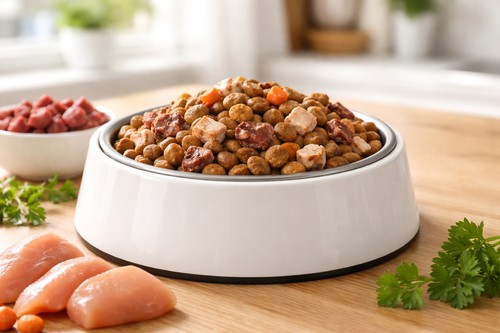
Small breed dogs do not simply need “less food” than larger dogs. They often need food that is more concentrated, easier to chew, and carefully portioned.
Because small dogs have faster metabolisms and smaller stomachs, they usually need nutrient-dense meals in smaller portions. This means their food should provide enough protein, healthy fats, vitamins, and minerals without requiring large meal sizes.
For breeds such as Chihuahuas, Pomeranians, Yorkshire Terriers, Maltese dogs, Shih Tzus, and Toy Poodles, the right small breed dog food should support:
- Fast metabolism and steady daily energy
- Small jaws with a kibble size that is easy to chew
- Sensitive digestion with highly digestible ingredients
- Healthy weight through proper calorie control
- Skin and coat health with balanced fats and essential nutrients
- Life-stage needs tailored for puppies, adults, and senior small dogs
One important point is that small dogs can gain weight quickly if portions are not measured. Even a few extra treats or a slightly oversized daily serving can make a big difference over time.
That is why the best food for small dogs should be both calorie-aware and nutrient-dense. It should give your dog enough nutrition and energy without encouraging unwanted weight gain.
For more help with daily portions, read our full guide on how much to feed your dog.
Key Nutrients for Small Breed Dogs
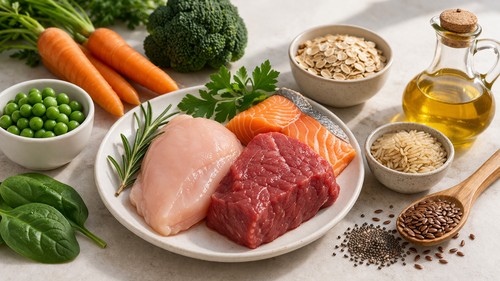
Small breed dogs need more than just “small dog food.” The best small breed dog food should provide the right balance of protein, fats, carbohydrates, fiber, vitamins, and minerals in a portion size that fits a small stomach.
Because small dogs often have faster metabolisms, smaller jaws, and a higher risk of weight gain when overfed, nutrient balance matters more than the size of the meal.
| Nutrient | Why It Matters for Small Dogs | What to Look For | What to Avoid |
|---|---|---|---|
| Animal protein | Supports lean muscle, energy, immune function, and healthy body condition. | Named protein sources such as chicken, turkey, lamb, salmon, fish, or clearly identified meat meals. | Vague ingredients such as “meat derivatives” without clear source. |
| Healthy fats | Provide concentrated energy and support skin, coat, brain, and overall health. | Omega-3 and omega-6 fatty acids, fish oil, salmon oil, chicken fat, flaxseed. | Very high-fat formulas for inactive, overweight, or neutered small dogs. |
| Controlled carbohydrates | Provide energy and help food texture, but should not dominate the formula. | Digestible carbs such as rice, oats, sweet potato, peas, or potato in balanced amounts. | Formulas where grains, starches, or fillers dominate the ingredient list. |
| Fiber | Supports digestion, stool quality, and fullness between meals. | Beet pulp, pumpkin, chicory root, psyllium, or other gentle fiber sources. | Too much fiber, which may reduce digestibility or cause loose stool. |
| Prebiotics and probiotics | Help support gut balance, especially for dogs with sensitive digestion. | Added prebiotics, probiotics, or fermentable fibers. | Formulas with no digestive support for dogs prone to gas or soft stool. |
| Vitamins and minerals | Support bones, teeth, immune health, metabolism, and long-term wellbeing. | Complete and balanced formulas for the correct life stage. | Homemade or incomplete diets without proper nutritional balance. |
| Joint and senior support | Useful for older small dogs or breeds prone to joint stress. | Glucosamine, chondroitin, omega-3, and moderate calories. | High-calorie senior foods that may encourage weight gain. |
Protein: The Most Important Nutrient
Protein is one of the most important nutrients for small breed dogs because it supports lean muscle, immune function, repair, and daily energy.
For small dogs, the quality of protein matters more than only looking at the protein percentage on the label. A food with clearly named animal protein is usually easier to understand than a formula that uses vague animal ingredients. Good protein sources for small breed dogs may include:
- Chicken
- Turkey
- Lamb
- Salmon
- White fish
- Duck
- Clearly named meat meals, such as chicken meal or lamb meal
Protein is especially important for active small dogs, small breed puppies, and senior small dogs that need help maintaining muscle as they age. However, dogs with kidney disease or other medical conditions may need a vet-guided diet instead of a standard high-protein formula.
Healthy Fats: Energy, Skin, and Coat Support
Small dogs often need calorie-dense food because their bodies can burn energy quickly. Healthy fats help provide that concentrated energy in smaller portions. Fats also support:
- Healthy skin and a shiny coat
- Brain function
- Immune health
- Nutrient absorption
- Steady energy
Look for healthy fat sources such as fish oil, salmon oil, chicken fat, flaxseed, or other sources of omega-3 and omega-6 fatty acids. However, fat should still be balanced. Too much fat can be a problem for inactive, overweight, or neutered small dogs. For these dogs, portion control and calorie level are just as important as ingredient quality.
Carbohydrates: Useful, but They Should Be Controlled
Carbohydrates are not automatically bad for dogs. In balanced amounts, they can provide energy, fiber, and help support normal digestion. The problem starts when carbohydrates dominate the formula, especially in small dogs that are prone to weight gain. Because small breed dogs eat smaller portions, every calorie matters.
Better carbohydrate sources may include:
- Rice and oats
- Sweet potato and potato
- Peas and lentils
- Pumpkin
The goal is not always to choose “grain-free.” Some grain-free foods still contain high levels of starch from potatoes, peas, tapioca, or legumes. What matters more is the overall balance of the formula, the quality of the ingredients, and whether the food fits your dog’s weight, activity level, and digestion.
Fiber and Digestive Support
Many small dogs have sensitive digestion. Some may experience soft stool, gas, or inconsistent appetite when their food is too rich, too high in fillers, or changed too quickly. Gentle fiber and digestive support can help improve stool quality and keep your dog feeling full between meals.
Useful digestive-support ingredients may include:
- Beet pulp
- Pumpkin
- Chicory root
- Psyllium
- Prebiotics and probiotics
If your small dog has frequent vomiting, diarrhea, weight loss, or appetite changes, food alone may not solve the issue. In that case, it is better to speak with a veterinarian before changing diets.
Vitamins and Minerals: Small Portions Still Need Complete Nutrition
Because small dogs eat smaller meals, their food must still deliver complete nutrition in each portion. Vitamins and minerals support bone health, teeth, immune function, metabolism, and long-term wellbeing.
For small breed puppies, mineral balance is especially important for growth. For senior small dogs, the right balance can help support healthy aging without adding unnecessary calories. This is why choosing a complete and balanced small breed dog food is usually safer than relying on random homemade meals, leftovers, or unbalanced recipes..
How to Choose the Best Dog Food for Small Breeds
Choosing the best dog food for small breeds should not be based only on brand name, price, or packaging. Small dogs may look similar in size, but their nutritional needs can be very different.
A young Chihuahua puppy, an active Pomeranian, an overweight Maltese, and a senior Shih Tzu may all need different food choices, calorie levels, kibble textures, and feeding routines.
When choosing small breed dog food, consider these key factors:
| Factor | Why It Matters | What to Check |
|---|---|---|
| Age and life stage | Puppies, adults, and senior small dogs need different nutrient levels. | Choose puppy, adult, or senior formulas that match your dog’s stage of life. |
| Weight and body condition | Small dogs can gain weight quickly if portions are too large. | Check calorie density, feeding guide, and your dog’s body shape. |
| Activity level | Active small dogs may need more energy than indoor or less active dogs. | Match food portions to daily movement, walks, and playtime. |
| Kibble size and texture | Tiny jaws may struggle with large or hard kibble. | Look for small kibble size or softer food if chewing is difficult. |
| Digestion sensitivity | Some small dogs are prone to gas, soft stool, or picky eating. | Choose digestible protein, gentle fiber, and gradual food transitions. |
| Health background | Dental issues, allergies, obesity, or medical problems can affect diet choice. | Ask a veterinarian if your dog has ongoing symptoms or diagnosed conditions. |
Match the Food to Your Dog’s Life Stage
A puppy, adult, and senior small dog should not always eat the same food.
Small breed puppies usually need more energy-dense food to support growth, brain development, and daily activity. Adult small dogs need balanced nutrition that maintains healthy weight and muscle. Senior small dogs may need easier-to-chew food, moderate calories, joint support, and highly digestible ingredients.
Do Not Ignore Portion Size
Even if the food quality is excellent, feeding too much can still lead to weight gain. This is especially important for small dogs because a small extra portion can make a big difference over time.
Use the feeding guide on the label as a starting point, but adjust based on your dog’s weight, activity level, body condition, and appetite. If your dog is gaining weight, begging often, or leaving food behind, the portion size may need to be reviewed.
Consider Digestion and Picky Eating
Many small dogs are picky eaters or have sensitive digestion. If your dog often refuses food, has soft stool, or seems uncomfortable after meals, the problem may be related to food texture, ingredient quality, fat level, or sudden diet changes.
For picky small dogs, wet food or mixed feeding can sometimes help. For sensitive stomachs, look for simple formulas with digestible protein, gentle fiber, and fewer unnecessary additives.
Choose Food Based on the Individual Dog, Not the Average Dog
There is no single “best” dog food for every small breed. The right choice depends on your dog’s breed, age, weight, activity level, digestion, health background, and feeding behavior.
That is why the best food for small dogs is the one that fits the individual dog, not just the one with the best marketing.
Not Sure Which Food Fits Your Small Dog?
Small breed dogs do not all need the same food.
FAMMO analyzes your dog’s breed, age, weight, activity level, body condition, and health profile to give clearer, personalized feeding guidance. Stop guessing and start feeding with confidence.
👉 Get Your Free Personalized Dog Nutrition Plan
Dry vs. Wet vs. Mixed Feeding for Small Dogs: Which Is Better?
When choosing the best dog food for small breeds, many owners wonder whether dry food, wet food, or mixed feeding is the better option.
The truth is that there is no single answer for every small dog. The best choice depends on your dog’s age, dental health, appetite, digestion, hydration needs, weight, and daily routine.
| Feeding Type | Best For | Main Benefits | Things to Watch |
|---|---|---|---|
| Dry food | Healthy adult small dogs, owners who need convenience. | Easy to store, practical for daily feeding, usually more affordable, helps with chewing routine. | Some small dogs may find large kibble difficult to chew; lower moisture content. |
| Wet food | Picky eaters, senior small dogs, dogs with dental discomfort, dogs needing more moisture. | Softer texture, stronger smell, easier to chew, supports hydration. | Can be more expensive; portions must be controlled to avoid weight gain. |
| Mixed feeding | Many small dogs, especially picky eaters or dogs needing variety. | Combines the practicality of dry food with the taste and moisture of wet food. | Calories must be calculated carefully so the dog is not overfed. |
Dry Food for Small Breeds
Dry food can be a good option for many small breed dogs, especially when the formula is designed with small kibble size and balanced nutrition.
For small dogs, dry food should be easy to chew and digest. Very large or hard kibble may be uncomfortable for breeds with tiny jaws, such as Chihuahuas, Pomeranians, Maltese dogs, Yorkshire Terriers, and Toy Poodles. A good dry dog food for small breeds should include:
- Small kibble size
- High-quality animal protein
- Balanced fat levels
- Digestible carbohydrates and fiber
- Clear feeding instructions
- Complete and balanced nutrition for the correct life stage
Dry food is practical, but it should not be chosen only because it is convenient. The formula still needs to match your dog’s age, weight, activity level, and digestion.
Wet Food for Small Dogs
Wet food can be helpful for small dogs that are picky, older, missing teeth, or less interested in dry kibble. Because wet food has a softer texture and stronger smell, it may be more appealing for dogs with low appetite.
Wet food may also support hydration because it contains more moisture than dry food. This can be useful for dogs that do not drink much water. Wet food may be a good choice for:
- Picky small dogs
- Senior small dogs
- Dogs with dental discomfort
- Dogs that need softer food
- Dogs that benefit from higher moisture intake
However, wet food still needs portion control. Some small dogs gain weight easily, especially if wet food is added on top of normal dry food without adjusting the total calories.
Mixed Feeding for Small Dogs
Mixed feeding means combining dry and wet food in the same diet. For many small dogs, this can be a practical and balanced approach.
Dry food gives structure and convenience, while wet food adds moisture, aroma, and softer texture. This can be especially useful for picky small dogs or dogs that get bored with one type of food. Mixed feeding may work well when:
- Your dog refuses dry food alone
- Your dog needs more moisture
- Your dog enjoys variety
- Your dog is senior or has chewing difficulty
- You want a more flexible feeding routine
The most important rule is to calculate the total daily calories. Mixed feeding should not mean feeding a full portion of dry food plus a full portion of wet food. Instead, each portion should be adjusted so your dog receives the right amount of food for their size, age, and activity level.
Which One Is Best for Small Breeds?
For many healthy small dogs, high-quality dry food can work well. For picky eaters, senior dogs, or dogs with dental issues, wet food may be easier. For many small breeds, mixed feeding offers the best balance of convenience, taste, moisture, and flexibility.
The best option is the one that your dog can eat comfortably, digest well, and maintain a healthy weight on.
For a deeper comparison, read our full guide on wet vs dry dog food.
How Much Should You Feed a Small Dog?
How much you should feed a small dog depends on their weight, age, activity level, body condition, neuter status, and the calorie density of the food.
Small dogs eat smaller portions than large dogs, but that does not mean portion control is less important. In fact, it is often more important. A small extra scoop, too many treats, or adding wet food without adjusting dry food can quickly lead to weight gain.
| Factor | Why It Matters | Feeding Tip |
|---|---|---|
| Weight | A 2 kg Chihuahua and a 9 kg Shih Tzu do not need the same amount of food. | Use your dog’s current weight as a starting point. |
| Age | Puppies, adults, and senior small dogs have different energy needs. | Choose food and portions based on life stage. |
| Activity level | Active small dogs burn more calories than indoor or low-energy dogs. | Increase or reduce portions based on daily movement. |
| Body condition | Two dogs with the same weight can have different fat and muscle levels. | Check waist shape and rib feel, not just the scale. |
| Neuter status | Neutered dogs may need fewer calories than intact dogs. | Monitor weight after neutering and adjust portions if needed. |
| Food type | Dry, wet, and mixed feeding have different calorie levels. | Do not combine full portions of dry and wet food. |
| Treats | Treats can add hidden calories quickly. | Keep treats limited and include them in the daily calorie total. |
Start with the Feeding Guide, Then Adjust
The feeding guide on the dog food label is a useful starting point, but it is not a perfect rule for every dog. These guides are usually based on average needs, while your small dog may need more or less depending on their metabolism, activity level, and health condition.
A good approach is to:
- Start with the recommended amount on the label.
- Divide the daily amount into 2–3 meals.
- Monitor your dog’s weight and body condition.
- Adjust portions if your dog gains or loses weight.
- Include treats and wet food in the total daily calories.
Why Small Dogs Gain Weight Easily
Small dogs can gain weight quickly because their bodies are small and their daily calorie needs are limited. Even a small amount of extra food can become significant over time.
For example, a few extra treats per day may not seem like much, but for a Chihuahua, Maltese, Pomeranian, or Yorkshire Terrier, those calories can add up fast. This is why the best feeding routine for small breed dogs should focus on measured portions, not free-feeding or guessing.
How Many Meals Per Day Should a Small Dog Eat?
Most healthy adult small dogs do well with two meals per day. Some small breed puppies may need three to four smaller meals per day, because they have smaller stomachs and higher energy needs during growth.
Senior small dogs may also benefit from smaller, more frequent meals if they have a lower appetite, dental discomfort, or sensitive digestion.
Watch for Signs You Are Feeding Too Much
You may be feeding your small dog too much if you notice:
* Unwanted weight gain
* Reduced waist definition
* Low energy or lethargy
* Begging shortly after meals
* Soft stool from overfeeding
* Difficulty maintaining a healthy body shape
Watch for Signs You Are Feeding Too Little
You may be feeding too little if your dog has:
* Unexplained weight loss
* Low energy
* Visible ribs or spine
* Constant hunger
* Poor coat condition
* Reduced muscle tone
If weight loss, appetite changes, vomiting, diarrhea, or extreme hunger continues, speak with a veterinarian before simply changing the portion size.
Because every small dog has different calorie needs, the right portion is not always the same as the number printed on the bag. Use the label as a starting point, then adjust based on your dog’s weight, activity level, body condition, and long-term health.
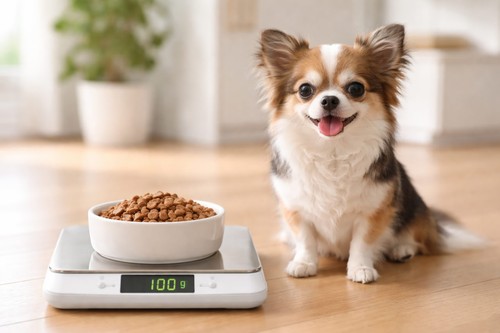
Common Feeding Mistakes Small Dog Owners Make
Even when owners choose a good small breed dog food, feeding mistakes can still affect weight, digestion, energy, and long-term health. Small dogs are especially sensitive to small changes because their bodies are smaller and their calorie needs are easier to exceed.
Feeding Food Designed for Large Breeds
Large breed dog food is not always suitable for small dogs. The kibble may be too large, the calorie density may not match a small dog’s needs, and the formula may be designed for a different growth pattern or body size.
Small breed dogs usually do better with food that is easier to chew, properly portioned, and designed for their smaller stomachs and faster metabolism.
Ignoring Portion Size
One of the most common mistakes is guessing the portion size instead of measuring it. For small dogs, even a small extra scoop can add too many calories over time.
This is especially important for indoor dogs, neutered dogs, senior small dogs, and breeds prone to weight gain. A few extra treats per day may look harmless, but for a Chihuahua, Maltese, Pomeranian, or Yorkshire Terrier, they can quickly affect body weight.
Switching Food Too Quickly
Changing food too fast can cause digestive issues such as soft stool, gas, vomiting, or reduced appetite. Small dogs with sensitive digestion may react even more strongly to sudden diet changes.
When moving to a new food, transition slowly over several days by mixing the old and new food. This gives your dog’s digestive system time to adjust.
Choosing Food Based Only on Brand or Packaging
A premium-looking bag does not always mean the food is right for your dog. Some owners choose food because of marketing claims, attractive packaging, or brand popularity without checking the ingredients, calorie level, life-stage suitability, or kibble size.
The best dog food for small breeds should match your dog’s age, weight, activity level, digestion, and health background, not just the label design.
Giving Too Many Treats
Treats are often the hidden reason small dogs gain weight. Because small breed dogs need fewer calories overall, treats can make up a large part of their daily intake if owners are not careful.
As a general habit, treats should stay limited and should be included in your dog’s total daily food intake. If training treats are used often, daily meal portions may need to be adjusted.
Free-Feeding All Day
Leaving food out all day may work for some dogs, but it can make portion control harder. Many small dogs do better with measured meals because it is easier to monitor appetite, weight changes, and digestive response.
Measured feeding also helps owners notice early signs of problems, such as sudden appetite loss, overeating, or changes in stool quality.
The goal is not perfection. The goal is consistency: measured portions, gradual food changes, suitable ingredients, and food that fits your small dog’s real needs.
Indoor vs Active Small Dogs: How Lifestyle Changes Food Needs
Small dogs do not all burn energy at the same rate. A small dog that spends most of the day indoors will usually need a different feeding approach than an active small dog that walks more, plays often, or has a naturally higher energy level.
This is why activity level matters when choosing the best dog food for small breeds. The same food and portion size may work well for one dog but lead to weight gain or low energy in another.
Indoor Small Dogs
Indoor small dogs usually need more careful calorie control. They may still be playful, but if they spend most of the day resting, sleeping, or walking only short distances, they may not burn many calories.
For indoor small dogs, look for:
- Controlled calories to prevent obesity
- High-quality animal protein for muscle maintenance
- Moderate fat levels
- Good fiber for fullness and healthy digestion
- Measured portions instead of free-feeding
- Limited treats throughout the day
Indoor dogs are often at higher risk of gradual weight gain because the change happens slowly. A dog may look “a little rounder” month by month until obesity becomes a real health concern.
Active Small Dogs
Active small dogs may need more energy, especially if they walk daily, play intensely, train often, or have a naturally energetic personality. Breeds like Pomeranians, Toy Poodles, Jack Russell Terriers, and Yorkshire Terriers can be small in size but very active.
For active small dogs, look for:
- Calorie-dense but balanced food
- Quality animal protein for muscle support and repair
- Healthy fats for sustained, steady energy
- Digestible carbohydrates for activity
- Enough daily food to maintain a healthy weight
- Hydration support, especially after long walks or play
However, active does not mean unlimited food. Even energetic small dogs can gain weight if portions are too large or treats are not counted.
Adjust Food Based on Real Body Condition
The best way to decide whether your small dog needs fewer or more calories is to watch their body condition over time.
If your dog is gaining weight, losing waist definition, or becoming less active, portions may need to be reduced. If your dog is losing weight, seems constantly hungry, or has low energy, their food amount or calorie level may need to be reviewed.
The best small breed feeding plan should match your dog’s real lifestyle, not just their breed name or the average feeding guide on the bag.
Small Breed Puppy vs Adult vs Senior Food
Small breed dogs do not need the same food at every stage of life. A Chihuahua puppy, an adult Pomeranian, and a senior Shih Tzu may all be small dogs, but their nutritional needs are different.
That is why the best dog food for small breeds should always match your dog’s age, life stage, activity level, and health needs.
Small Breed Puppy Food
Small breed puppies grow quickly and have high energy needs. They also have small stomachs, which means they need food that is nutrient-dense and easy to eat in smaller portions.
The best small breed puppy food should provide:
- High-quality animal protein to support growth and muscle development
- Healthy fats for energy and brain development
- Small kibble size for tiny jaws
- Balanced calcium and phosphorus for healthy bone development
- Complete and balanced puppy nutrition for small breed growth
Small breed puppies may also need to eat more often than adults. Many do better with three to four smaller meals per day, especially in the early months.
Adult Small Breed Dog Food
Adult small dogs usually need food that helps maintain:
* Healthy body weight
* Steady energy
* Lean muscle
* Healthy digestion
* Skin and coat condition
The best food for adult small dogs should include quality protein, balanced fats, digestible carbohydrates, and clear feeding guidance. Portion control is very important at this stage, because many small dogs gain weight easily if they are overfed.
For most healthy adult small dogs, the goal is not maximum calories, it is balanced daily nutrition.
Senior Small Breed Dog Food
Senior small dogs often need a different feeding approach as they age. Some become less active and need fewer calories, while others may develop dental problems, slower digestion, or changes in appetite.
The best senior small breed dog food may include:
- Moderate calories to help prevent weight gain
- Highly digestible protein to help maintain muscle
- Softer texture or smaller kibble for easier chewing
- Healthy fats for skin, coat, and overall health
- Joint support nutrients such as glucosamine, chondroitin, or omega-3 fatty acids
Older small dogs may also benefit from food that is easier to chew and gentler on the stomach.
Why Life Stage Matters
Feeding the wrong life-stage food can create problems over time. For example:
- A puppy may not get enough nutrients from adult food
- An adult dog may gain weight on puppy food
- A senior dog may struggle with food that is too hard or too high in calories
The best dog food for small breeds is not just “small dog food.” It should also be the right food for your dog’s life stage.
Best Food for Small Dogs with Sensitive Stomachs
Some small dogs have sensitive stomachs and do not tolerate every food well. They may develop soft stool, gas, vomiting, poor appetite, or discomfort after eating.
If your dog has digestive sensitivity, the best food is usually one that is simple, digestible, and gentle on the stomach.
Signs of a Sensitive Stomach in Small Dogs
A small dog with a sensitive stomach may show signs such as:
- Loose stool or diarrhea
- Gas or bloating
- Vomiting after meals
- Reduced appetite
- Frequent stomach upset
- Inconsistent stool quality
If these symptoms happen often, the food may not be the right fit, but it is also important to remember that ongoing digestive issues should be discussed with a veterinarian.
What to Look For in Dog Food for Sensitive Stomachs
The best food for small dogs with sensitive stomachs should usually include:
* Highly digestible animal protein such as chicken, turkey, lamb, or fish
* Limited ingredients if your dog reacts badly to complex formulas
* Gentle carbohydrate sources such as rice, oats, or sweet potato
* Fiber for digestive support
* Prebiotics or probiotics to support gut health
* Small kibble size if your dog also needs easier chewing
Simple formulas are often easier for sensitive dogs to handle than foods with too many ingredients, rich fats, or unnecessary additives.
Ingredients That May Be Harder to Tolerate
Some small dogs may react poorly to:
- Sudden food changes
- Very rich or high-fat foods
- Low-quality fillers
- Artificial colors or unnecessary additives
- Overly complex formulas with too many ingredients
This does not mean every dog must eat a limited-ingredient diet, but for sensitive small dogs, simpler is often better.
Feeding Tips for Sensitive Small Dogs
If your small dog has a sensitive stomach, these habits can help:
- Change food gradually, not all at once
- Feed measured meals instead of overfeeding
- Avoid too many treats or table scraps
- Monitor stool quality and energy
- Keep a simple routine when testing a new food
Sensitive Stomach vs Medical Problem
Not every digestive problem is caused by food. If your dog has:
- Repeated vomiting
- Frequent diarrhea
- Weight loss
- Blood in stool
- Very low appetite
…it is better to speak with a veterinarian instead of only switching food. The best dog food for small dogs with sensitive stomachs should support comfort, stable digestion, and healthy stool, but persistent symptoms should always be taken seriously.
Best Food for Picky Small Dogs
Many small dogs are picky eaters. They may sniff the bowl, eat only part of the meal, refuse dry kibble, or suddenly lose interest in food they liked before.
This can be frustrating for owners, but picky eating is common in small breeds such as Chihuahuas, Pomeranians, Maltese dogs, Yorkshire Terriers, and Shih Tzus.
The best food for picky small dogs should be appetizing, easy to eat, and still nutritionally balanced.
Why Small Dogs Become Picky
Small dogs may become picky for several reasons:
- They prefer a different texture
- The kibble is too large or too hard
- They are given too many treats
- They are offered too many food options
- The food has a weak smell or low palatability
- There is an underlying dental or health issue
Sometimes picky eating is behavioral, but sometimes it is linked to discomfort, chewing difficulty, or sensitive digestion.
What to Look For in Food for Picky Small Dogs
The best dog food for picky small dogs often has:
- Small kibble size or a softer texture
- High-quality animal protein
- A stronger natural aroma
- Good digestibility
- Complete and balanced nutrition
- The option for wet food or mixed feeding
Wet food can sometimes help because it has more moisture and a stronger smell. Mixed feeding may also work well for picky dogs who do not enjoy dry food alone.
Is Wet Food Better for Picky Small Dogs?
For some picky eaters, yes. Wet food may be more appealing because it is:
- Softer
- Easier to chew
- More aromatic
- More enjoyable for dogs with low appetite
However, wet food is not automatically better for every small dog. Some do well with dry food, and many do best with mixed feeding, where dry and wet food are combined in the right portion.
Mistakes That Can Make Picky Eating Worse
Owners sometimes make picky eating worse without realizing it. Common mistakes include:
- Changing foods too often
- Offering many treats between meals
- Adding extras to every meal
- Leaving food out all day
- Giving up too quickly when introducing a new food
If a dog learns that refusing food always leads to a tastier option, picky habits may become stronger.
Practical Tips for Picky Small Dogs
If your dog is picky, try these strategies:
- Choose a food made for small breeds
- Check that the kibble is easy to chew
- Transition slowly to a new food
- Consider wet food or mixed feeding
- Limit treats between meals
- Keep meal times regular and consistent
When Picky Eating Needs Attention
Picky eating is common, but it should not be ignored if your dog also has:
- Weight loss
- Vomiting
- Bad breath
- Chewing difficulty
- Low energy
- Sudden appetite changes
In those cases, the issue may not be simple food preference. The best food for picky small dogs is one that your dog will eat consistently, digest comfortably, and maintain a healthy weight on. The goal is not just to find a food your dog likes today, it is to find one that supports long-term health and steady nutrition.
Long-Term Health Impact of the Right Small Breed Diet
The right diet does more than keep a small dog full. It can support healthy weight, digestion, energy, skin and coat condition, immune function, and long-term wellbeing.
Small breed dogs are especially sensitive to poor feeding habits because even small calorie mistakes can affect their body condition over time. A diet that is too high in calories, too low in quality protein, or poorly matched to the dog’s age and activity level may slowly lead to health problems.
A well-balanced small breed diet can help reduce the risk of:
- Obesity from oversized portions or calorie-dense treats
- Digestive issues caused by poor ingredient quality or sudden food changes
- Low energy from unbalanced nutrients or insufficient calories
- Poor coat condition from inadequate fats or essential nutrients
- Muscle loss, especially in senior small dogs
- Weaker immune support when the diet lacks complete nutrition
For small breed puppies, balanced nutrition is especially important for growth and development. For adult small dogs, the focus is usually maintaining healthy weight, muscle, digestion, and daily energy. For senior small dogs, diet can help support easier digestion, moderate calories, and healthier aging.
According to the FEDIAF Nutritional Guidelines for Complete and Complementary Pet Food, complete pet foods should provide the nutrients dogs need for health, development, and long-term wellbeing.
This is why choosing the best dog food for small breeds should not be based only on taste or brand popularity. The better approach is to choose food that matches your dog’s life stage, weight, activity level, digestion, and health profile.
Quick Comparison Table
| Factor | Good Choice | Bad Choice |
|---|---|---|
| Protein | High | Low |
| Kibble Size | Small | Large |
| Ingredients | Natural | Artificial |
| Feeding | Controlled | Free feeding |
How to Transition a Small Dog to a New Food
Changing your small dog’s food too quickly can cause digestive problems such as soft stool, gas, vomiting, reduced appetite, or stomach discomfort.
Small breed dogs can be especially sensitive to sudden diet changes because they often have smaller stomachs and more delicate digestion. That is why switching to a new small breed dog food should be done gradually.
A slow transition gives your dog’s digestive system time to adjust to the new protein source, fat level, fiber content, and calorie density.
Recommended Food Transition Schedule
For most healthy small dogs, a 7 to 10 day transition works well:
* Day 1–3: 75% old food + 25% new food
* Day 4–6: 50% old food + 50% new food
* Day 7–9: 25% old food + 75% new food
* Day 10: 100% new food
If your dog has a sensitive stomach, transition even more slowly. Some small dogs may need 10 to 14 days before fully moving to a new food.
Watch Your Dog’s Digestion During the Transition
During the food change, pay attention to your dog’s stool quality, appetite, energy level, and comfort after meals. Slow down the transition if you notice:
- Soft stool
- Gas or bloating
- Vomiting
- Reduced appetite
- Itching or skin changes
- Low energy
- Clear discomfort after eating
If symptoms are mild, you can stay on the current mix for a few extra days before increasing the new food. If symptoms are severe or continue, speak with a veterinarian before continuing the transition.
Do Not Change Too Many Things at Once
When introducing new food, avoid adding new treats, supplements, toppers, or table scraps at the same time. If your dog reacts badly, it will be harder to know what caused the problem.
Keep the feeding routine simple:
- Use measured portions
- Keep meal times consistent
- Limit treats during the transition
- Avoid sudden changes in wet food or toppers
- Monitor weight and stool quality
Special Cases: Puppies, Seniors, and Sensitive Dogs
Small breed puppies, senior dogs, and dogs with sensitive stomachs may need a slower transition.
Puppies are still developing, so sudden changes can upset digestion. Senior small dogs may have lower appetite or dental discomfort. Dogs with sensitive stomachs may react to changes in protein source, fat level, or fiber.
For these dogs, it is safer to move gradually and watch closely for any changes in appetite, stool, energy, or body condition.
Final Tip
The best dog food for small breeds is only helpful if your dog can digest it comfortably. A slow transition helps protect digestion, reduces the risk of stomach upset, and makes it easier to see whether the new food is truly a good fit.
Frequently Asked Questions About Small Breed Dog Food
What is the best dog food for small breeds?
The best dog food for small breeds is a complete and balanced formula made for small dogs, with high-quality animal protein, healthy fats, digestible carbohydrates, small kibble size, and clear feeding guidance.
The right food should match your dog’s age, weight, activity level, digestion, and health background. A small breed puppy, an adult Chihuahua, a senior Maltese, and an active Pomeranian may all need different nutrition.
Do small breed dogs need special dog food?
Yes, many small breed dogs benefit from food designed specifically for them because it usually has smaller kibble, suitable calorie density, and nutrients balanced for smaller portions.
Small dogs often have faster metabolisms and smaller stomachs, so they need food that provides enough nutrition without requiring large meal sizes. However, the most important point is not the label alone—the food should fit your dog’s life stage, weight, digestion, and activity level.
How often should I feed a small dog?
Most healthy adult small dogs do well with two meals per day. Some small breed puppies may need three to four smaller meals per day, especially during early growth.
Senior small dogs or dogs with sensitive digestion may also benefit from smaller, more frequent meals. The best feeding schedule depends on your dog’s age, appetite, weight, and daily routine.
How much should I feed a small breed dog?
How much you should feed a small breed dog depends on their weight, age, activity level, body condition, neuter status, and the calorie density of the food.
Use the feeding guide on the food label as a starting point, then adjust based on your dog’s real body condition. If your dog is gaining weight, losing waist definition, or leaving food behind, the portion may need to be reviewed.
What ingredients should small dogs avoid?
Small dogs should avoid foods with vague ingredients, unnecessary artificial additives, excessive fillers, and formulas that are too high in calories for their lifestyle.
Be careful with:
- Unnamed meat sources
- Artificial colors
- Unnecessary flavor enhancers
- Very large kibble
- Excessive starch or fillers
- Foods that do not match your dog’s life stage
The best small breed dog food should use clear protein sources, balanced fats, digestible carbohydrates, and complete nutrition.
What is the best dry food for small dogs?
The best dry food for small dogs should have small kibble size, high-quality animal protein, balanced fat levels, digestible carbohydrates, and complete nutrition for your dog’s life stage.
Dry food can be convenient and practical, but it should still be easy for your small dog to chew and digest. For tiny breeds such as Chihuahuas, Pomeranians, Yorkshire Terriers, Maltese dogs, and Toy Poodles, kibble size matters a lot.
Is wet or dry food better for small dogs?
Both wet and dry food can work well for small dogs. Dry food is convenient and easy to store, while wet food is softer, more aromatic, and may help dogs that are picky, senior, or need more moisture.
For many small dogs, mixed feeding can be a good option because it combines the practicality of dry food with the taste and moisture of wet food. The key is to control total daily calories so your dog does not gain weight.
Is mixed feeding good for small dogs?
Yes, mixed feeding can be good for many small dogs when portions are calculated correctly. It can help picky eaters, senior dogs, and dogs that do not enjoy dry kibble alone.
Mixed feeding should not mean giving a full portion of dry food plus a full portion of wet food. Instead, both portions should be adjusted so your dog receives the right total amount of calories and nutrients.
What is the best dog food for small dogs with sensitive stomachs?
The best food for small dogs with sensitive stomachs is usually simple, digestible, and gentle. Look for high-quality animal protein, limited unnecessary ingredients, gentle fiber, and possible digestive support such as prebiotics or probiotics.
If your dog has frequent vomiting, diarrhea, weight loss, blood in stool, or ongoing appetite changes, speak with a veterinarian before changing food.
What is the best food for picky small dogs?
The best food for picky small dogs is one that is appetizing, easy to chew, digestible, and nutritionally complete. Small kibble, wet food, or mixed feeding may help dogs that refuse dry food.
However, avoid changing foods too often or giving too many treats. This can make picky eating worse over time. A consistent routine and gradual transition usually work better.
What is the best food for small breed puppies?
The best food for small breed puppies should be made specifically for puppies and provide enough energy, protein, healthy fats, and balanced minerals for growth.
Small breed puppies often need nutrient-dense food in smaller meals because they have small stomachs and high energy needs. Many do well with three to four small meals per day during early growth.
What is the best food for senior small dogs?
The best food for senior small dogs should support healthy weight, digestion, muscle maintenance, and easy chewing. Senior small dogs may benefit from moderate calories, highly digestible protein, smaller kibble, softer texture, and joint-support nutrients such as omega-3 fatty acids, glucosamine, or chondroitin.
Because older dogs may have dental problems, appetite changes, or medical conditions, it is a good idea to choose food based on their individual health profile.
Should small dogs eat grain-free food?
Small dogs do not automatically need grain-free food. Some grain-free formulas are high quality, but grain-free does not always mean lower carbohydrate or better nutrition.
Many grain-free foods replace grains with potatoes, peas, lentils, or tapioca. What matters more is the overall ingredient quality, protein source, calorie level, digestibility, and whether the food is complete and balanced.
Can small dogs eat large breed dog food?
Large breed dog food is usually not the best choice for small dogs. The kibble may be too large, and the formula may be designed for different body sizes, calorie needs, and growth patterns.
Small dogs usually do better with food that is easier to chew, properly portioned, and suitable for their faster metabolism and smaller stomachs.
How do I know if my small dog’s food is not right?
Your small dog’s food may not be the right fit if you notice ongoing problems such as:
- Weight gain or weight loss
- Soft stool or diarrhea
- Frequent vomiting
- Low energy
- Poor coat condition
- Constant itching
- Refusing meals
- Excessive hunger
One sign alone does not always mean the food is bad, but repeated symptoms should be taken seriously. If symptoms continue, speak with a veterinarian before making major diet changes.
Not Sure What Your Small Dog Should Eat?
Stop guessing and start feeding with more confidence.
FAMMO analyzes your dog’s breed, age, weight, activity level, body condition, and health profile to give personalized feeding guidance for your small dog.
Whether your dog is picky, sensitive, overweight, senior, or still growing, FAMMO helps you make smarter nutrition decisions based on real needs, not generic advice.
Get your free personalized dog nutrition plan today.
👉Already have an account? Log in here to update your dog’s profile.