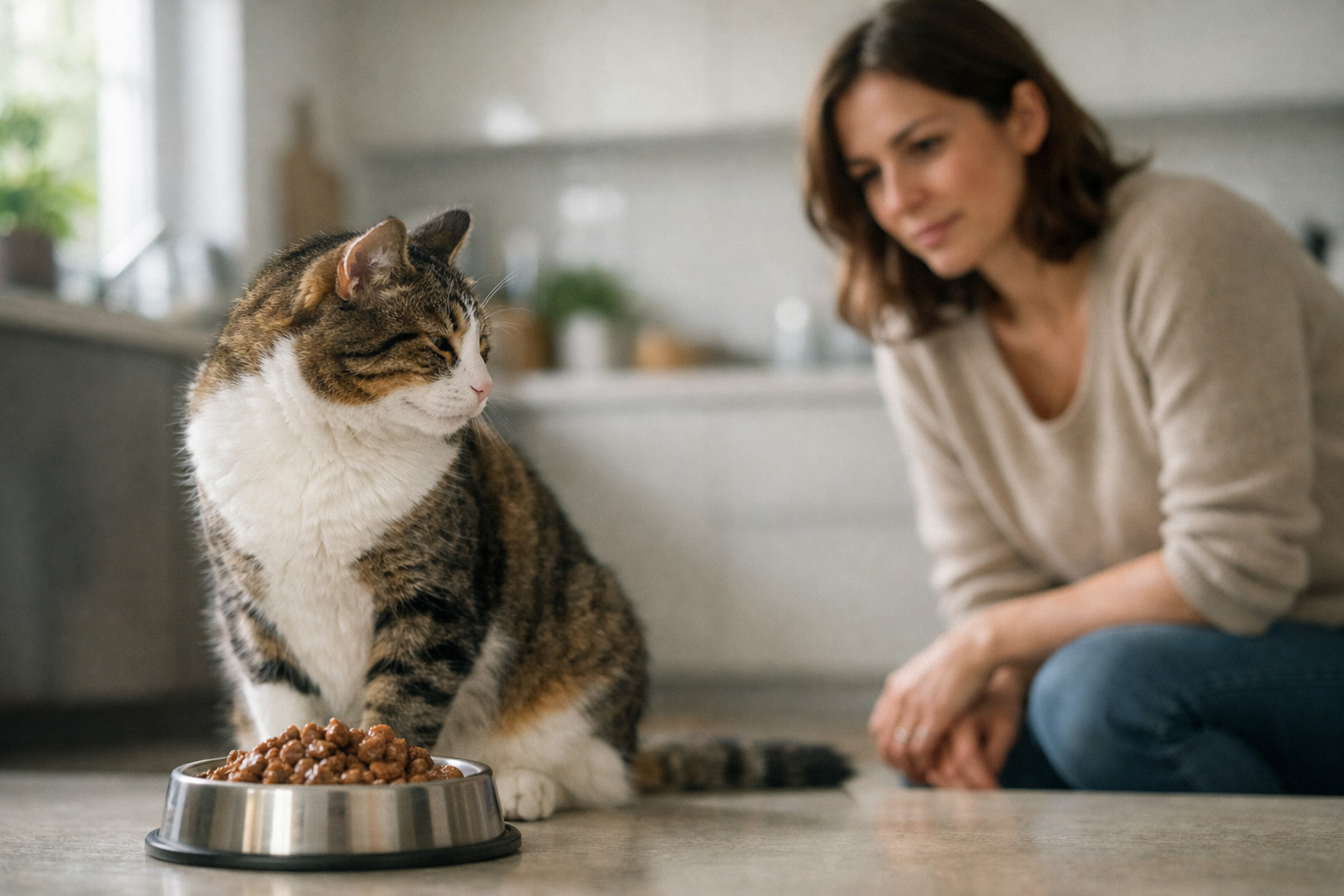
Why Is My Cat Not Eating? Common Causes and What to Do
Every cat owner knows the sound of a hungry cat. It is usually a mix of loud meows and constant rubbing against your legs. Cats are often very focused on their meal schedule. So, when your cat suddenly stops eating, it is natural to feel a sense of panic.
Why is my cat not eating?
Common reasons include dental pain, stress, kidney disease, infections, digestive issues, or food-related problems.
If your cat refuses food for more than 24 hours or shows other symptoms like lethargy, vomiting, or dehydration, you should contact a veterinarian.
A cat that refuses food is a cat that is trying to tell you something. Unlike humans, cats cannot go very long without food before it becomes a serious medical crisis. If your cat has missed more than two meals, it is time to pay close attention.
This guide will help you understand the common reasons for a loss of appetite. We will cover medical issues, stress, and even simple food preferences. By the end, you will know when you can handle it at home and when you need to call the vet.

The Immediate Danger: Why Cats Cannot Fast
Before we look at the causes, we must talk about why this is an emergency. When a cat stops eating, their body begins to break down fat for energy. This fat travels to the liver to be processed.
However, a cat’s liver is not very good at processing large amounts of fat. This can lead to a condition called hepatic lipidosis, or fatty liver disease. This condition can be fatal if it is not treated quickly. You can find more details on this serious condition on the VCA Animal Hospitals website.
If your cat is also showing other signs of illness, you should check our post on early signs of illness in dogs and cats you should never ignore.
How long can a cat go without eating?
In general, a healthy cat should not go more than 24 hours without eating.
After this point, the risk of serious conditions like hepatic lipidosis (fatty liver disease) increases, especially in overweight cats.
If your cat has not eaten for a full day, it is safest to consult a veterinarian.
Common Medical Reasons for Loss of Appetite
Medical issues are the most common reason a cat stops eating. Cats are masters at hiding pain. Often, a lack of appetite is the only sign they give us that something is wrong.
1. Dental Problems and Mouth Pain
Imagine trying to eat a crunchy cracker when you have a broken tooth or a mouth sore. It would be painful. Cats deal with dental issues like gingivitis, tooth resorption, and oral tumors. If it hurts to chew, they will simply stop trying. Look for signs like drooling, pawing at the mouth, or dropping food.
2. Kidney Disease
Kidney issues are very common in older cats. When the kidneys do not function well, toxins build up in the blood. This makes the cat feel nauseous and “off.” They might want to eat, but the smell of food makes them feel sick.
You can learn more about this in our guide on how proper nutrition can prevent kidney disease in cats.
3. Respiratory Infections
Cats rely heavily on their sense of smell to enjoy food. If your cat has a cold or an upper respiratory infection, their nose might be blocked. If they cannot smell the food, they often will not eat it. This is why many vets suggest smelly, warmed-up wet food for sick cats.
4. Digestive Issues
Just like humans, cats get upset stomachs. This could be due to a hairball, a foreign object they swallowed, or even parasites.
If your cat is also throwing up, you should read about cat vomiting after eating to see if the symptoms match.
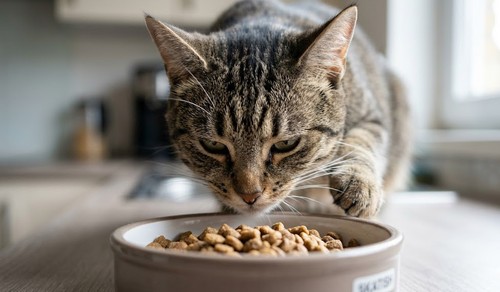
Behavioral and Environmental Factors
Sometimes the problem is not in the cat’s body, but in their environment. Cats are creatures of habit. Even small changes can cause them enough stress to stop eating.
Stress and Anxiety
A new pet, a new baby, or even a loud construction project next door can stress a cat. When a cat feels unsafe, eating is the last thing on their mind. They may feel they need to keep watch instead of lowering their head to eat.
You can find helpful tips on managing this in our article on stress in cats and dogs: signs, causes, and calming solutions.
Moving the Food Bowl
Did you move the food bowl to a new spot? If the new spot is near a loud appliance or in a high-traffic area, your cat might feel too vulnerable to eat. Cats prefer quiet, safe places for their meals. They like to have a clear view of the room while they eat.
Food-Related Issues
Sometimes the “why” is as simple as the food itself. Cats can be very picky about what is in their bowl.
- Spoiled Food: Wet food can go bad quickly in warm weather. Even dry food can become rancid if it is kept in a bag that is not sealed.
- New Recipe: Pet food companies often change their recipes without warning. Your cat might notice a change in flavor or texture that you do not see.
- Whisker Fatigue: This happens when a cat’s sensitive whiskers touch the sides of a deep bowl every time they eat. Over time, this becomes annoying or even painful. Try using a flat plate instead.
- Texture Preference: Some cats love pate, while others only want gravy.
If you are curious about the best options, check our guide on wet vs dry cat food.

Why is my cat not eating but drinking water?
If your cat is drinking water but not eating, it can indicate nausea, dental pain, or early-stage illness.
This is often seen in kidney disease or digestive problems. Even if your cat seems alert, this behavior should not be ignored.
Why is my cat not eating but acting normal?
Some cats skip meals due to stress, food preferences, or minor discomfort.
However, if this continues for more than 24 hours, it may signal an underlying health issue that is not yet visible.
Old cat not eating
Loss of appetite in older cats is often linked to kidney disease, dental issues, or chronic conditions.
If your senior cat is not eating, it is important to act quickly, as older cats are more vulnerable.
Kitten not eating
Kittens have very small energy reserves and can become weak quickly.
If a kitten refuses food for more than 12–24 hours, it should be considered urgent and evaluated by a vet.
Comparing Normal Pickiness vs. Serious Illness
It can be hard to tell if your cat is just being a diva or if they are truly sick. Use the table below to help you decide.
| Sign | Likely Picky Eating | Possible Medical Issue |
|---|---|---|
| Duration | Skips one meal but eats treats. | Refuses all food and treats for 24+ hours. |
| Energy Level | Playing and acting normal. | Hiding, lethargic, or sleeping more. |
| Other Symptoms | None. | Vomiting, diarrhea, or sneezing. |
| Water Intake | Drinking normally. | Drinking too much or not at all. |
| Response to Food | Sniffs and walks away. | Acts interested but seems unable to eat. |
⚠️ Important: Only try the following steps if your cat is alert, breathing normally, and has no serious symptoms.
If your cat is weak, dehydrated, or showing other signs of illness, contact a veterinarian immediately.
How to Encourage Your Cat to Eat
If your vet has ruled out a major emergency, you can try these steps at home to get your cat eating again.
1. Warm Up the Food
Heating wet food for 5 to 10 seconds in the microwave can make it smell much stronger. This appeals to a cat’s natural hunting instincts. Just make sure it is not too hot to touch. Stir it well to avoid hot spots that could burn their tongue.
2. Add a Topper
Try adding a little bit of tuna juice or low-sodium chicken broth to their kibble. Make sure the broth does not have onions or garlic. There are also many commercial meal toppers designed to entice picky eaters.
3. Change the Bowl
As mentioned earlier, some cats hate deep bowls. Try serving their meal on a flat saucer or a shallow ceramic plate. This prevents whisker fatigue and might make them feel more comfortable.
4. Offer Smelly Food
Foods like sardines or canned mackerel in water are very hard for cats to resist. The strong scent can sometimes jumpstart their appetite. Only offer a small amount to see if it sparks their interest.
According to the Cornell Feline Health Center, a cat that refuses food for more than 24 hours should be seen by a professional. This is especially true for overweight cats.

When to Call the Vet Immediately
Do not wait for a “wait and see” approach if you notice these red flags:
- Your cat is lethargic and will not move much.
- Your cat is gasping for air or breathing with an open mouth.
- You see yellowing in the whites of their eyes or inside their ears.
- The cat has not eaten anything for more than 24 to 48 hours.
- Your cat is also refusing to drink water.
A vet can provide fluids, appetite stimulants, or anti-nausea medication. These treatments can save your cat’s life and help them feel better very quickly. They may also run blood tests to find the root cause of the problem.
This article is for informational purposes only and does not replace professional veterinary advice.
If you are unsure about your cat’s condition, always consult a licensed veterinarian.
Final Thoughts
A cat not eating is one of the most stressful things a pet owner can face. Whether it is a medical issue like kidney disease or a simple case of a new food brand they dislike, it requires your attention.
Watch your cat closely for other symptoms. Try a few home tricks to see if they will take a bite. But most importantly, trust your gut. If you feel like something is wrong, it is always better to get a professional opinion. Your feline friend depends on you to be their voice.
Take Control of Your Pet’s Health with FAMMO.ai
Tracking your cat’s eating habits and health trends has never been easier. We invite you to register at FAMMO.ai today. It is completely free to create a personalized profile for your pet.
By building a profile, you can use the power of our platform to monitor your cat’s wellness and get tailored insights. Join our community of pet lovers and give your cat the best care possible.
Register for free on FAMMO.ai and create your pet profile today!
Still have questions? Check the answers below.
Why is my cat not eating but drinking water?
If your cat is drinking water but not eating, it may indicate nausea, dental pain, stress, or early-stage illness such as kidney disease. Even if your cat seems normal, this behavior should be monitored closely and evaluated if it continues for more than 24 hours.
Why is my cat not eating but acting normal?
Cats may skip meals due to stress, environmental changes, or food preferences. However, if your cat refuses food for more than 24 hours, even without other symptoms, it could signal an underlying health issue.
How long can a cat go without eating?
Most cats should not go more than 24 hours without food. After this period, the risk of serious conditions like fatty liver disease increases, especially in overweight cats.
When should I worry about my cat not eating?
You should be concerned if your cat has not eaten for 24–48 hours, or if they show symptoms such as lethargy, vomiting, dehydration, or weight loss. In these cases, veterinary care is strongly recommended.
Can stress cause a cat to stop eating?
Yes, stress is a common reason for appetite loss in cats. Changes such as moving, new pets, loud noises, or routine disruptions can cause a cat to stop eating.
What can I do if my cat refuses to eat?
You can try warming up food, offering wet or strongly scented food, changing the feeding location, or using food toppers. However, these steps should only be used if your cat has no serious symptoms.
Why is my kitten not eating?
Kittens have low energy reserves and can become weak quickly. If a kitten refuses food for more than 12–24 hours, it should be treated as urgent and evaluated by a veterinarian.
Why is my older cat not eating?
Older cats often lose appetite due to kidney disease, dental problems, or chronic illness. Appetite loss in senior cats should always be taken seriously.
Why is my cat not eating for 2 days?
If your cat has not eaten for 48 hours, this is a medical concern. The risk of serious complications increases, and veterinary care is strongly recommended.
Can a cat recover from not eating?
Yes, many cats recover once the underlying cause is treated. Early detection and proper care are key to a full recovery.
Still unsure about your cat’s condition? Monitoring changes in appetite over time can help you spot patterns early.