
Quick answer: Possible signs of food allergy in dogs include persistent itching, paw licking, recurring ear problems, and sometimes vomiting or diarrhoea. These signs can also have other causes, so symptoms alone cannot confirm a food allergy. Your veterinarian may recommend a supervised elimination diet followed by a food challenge to investigate.
If your dog keeps scratching or develops repeated skin or digestive problems, start by recording what you notice rather than repeatedly changing foods. Note when the problems began and what your dog eats, including treats and chews.
Our guide to reading a pet food label can help you identify the product details to bring to the appointment.
This guide explains which signs deserve attention, what else might cause them, and how vets investigate a suspected food allergy. You will also learn what to record at home and which feeding decisions to discuss before making a change.

Food Allergy vs. Food Intolerance: What’s the Difference?
Both are adverse reactions to food, but they involve different processes.
Term | What it means | What it tells you |
|---|---|---|
Food allergy | The immune system reacts to a food component, usually a protein. | Skin or digestive signs may occur, but they do not identify the trigger. |
Food intolerance | A reaction that does not involve the immune system, such as difficulty digesting lactose. | Digestive upset may occur, but it does not prove intolerance rather than allergy. |
The practical point: Itching does not automatically mean allergy, and diarrhoea does not automatically mean intolerance. How quickly signs appear after a meal cannot reliably separate the two.
Your vet may initially use the broader term adverse food reaction while investigating. As the Merck Veterinary Manual explains, the distinction is not straightforward in clinical practice.
Describe what you observe rather than labelling it yourself. For example, “soft stools after starting this product” is more useful than “allergic to chicken” when the cause has not been established. Bring the product details and feeding history so your vet can decide what to investigate.
Signs That May Suggest a Food Allergy in Dogs
Look for problems that persist or keep returning. The following signs can occur with food allergies, but none identifies food as the cause on its own.
Sign | What you may notice | What to keep in mind |
|---|---|---|
Persistent itching | Repeated scratching or rubbing, especially around the ears, face, belly, or feet | Fleas, mites, and environmental allergies can cause similar itching. |
Paw licking or chewing | Frequent licking, sore skin, or hair loss around the paws | A paw problem needs examination; licking alone does not identify an ingredient. |
Recurring ear problems | Head shaking, scratching at the ears, discharge, or an unpleasant smell | Ear inflammation or infection needs veterinary assessment, whatever the underlying cause. |
Repeated skin flare-ups | Redness, scabs, hair loss, or recurring bacterial or yeast infections | Scratching and secondary infections can worsen the skin’s appearance. |
Ongoing digestive upset | Vomiting, diarrhoea, soft stools, or increased gas | Digestive signs have many possible causes, including conditions unrelated to allergy. |
Does itching throughout the year point to food? It can be a clue, but not proof. Environmental allergens can also cause year-round problems, and a dog can have more than one allergy.
Keep dated photos of visible changes and note whether discomfort interrupts sleep, eating, or normal activity. Share these observations with your vet; you do not need to wait for every sign in the table to appear.

Which Ingredients Can Trigger a Food Allergy?
Beef, dairy, chicken, wheat, and lamb are among the food allergens reported in dogs. This does not mean these ingredients are unhealthy or that your dog should avoid them without evidence. Dogs can react to different dietary proteins, and a list of common allergens cannot identify an individual dog’s trigger.
A familiar ingredient can still be relevant. Eating the same food for years does not rule out a food allergy. Equally, symptoms that start after a food change do not prove that the new protein is responsible.
“Grain-free” does not mean “allergen-free.” A grain-free recipe may still contain chicken, beef, or another ingredient your dog reacts to. Choosing a different marketing label is not the same as carrying out a diagnostic diet trial.
For more on this label distinction, read our grain-free vs. regular dog food guide.
Before your appointment, list the foods and flavours your dog has eaten, including treats, chews, supplements, and flavoured medicines. Keep product labels where possible. This history helps your vet select an appropriate trial diet.
Do not replace dairy with goat’s milk, rotate through meats, or remove several food groups on your own. Ask your vet about medicines and parasite prevention; do not stop them without an agreed alternative.
What Food Might Your Vet Recommend for an Allergy Trial?
The right trial diet depends on your dog’s previous foods, health needs, and the product’s formulation. Your vet may consider the following options:
Diet option | How it works | Important limitation |
|---|---|---|
Veterinary hydrolysed diet | Proteins are broken into smaller fragments to reduce the likelihood of an allergic reaction. | Products differ, and some dogs may still react. |
Carefully selected novel-protein diet | Uses a protein chosen after reviewing what your dog has eaten before. | An unusual meat is not automatically suitable; previous exposure and possible cross-reactions matter. |
Professionally formulated home-prepared diet | Uses a controlled recipe designed for the individual dog. | Ingredients and supplements must follow the prescribed recipe. |
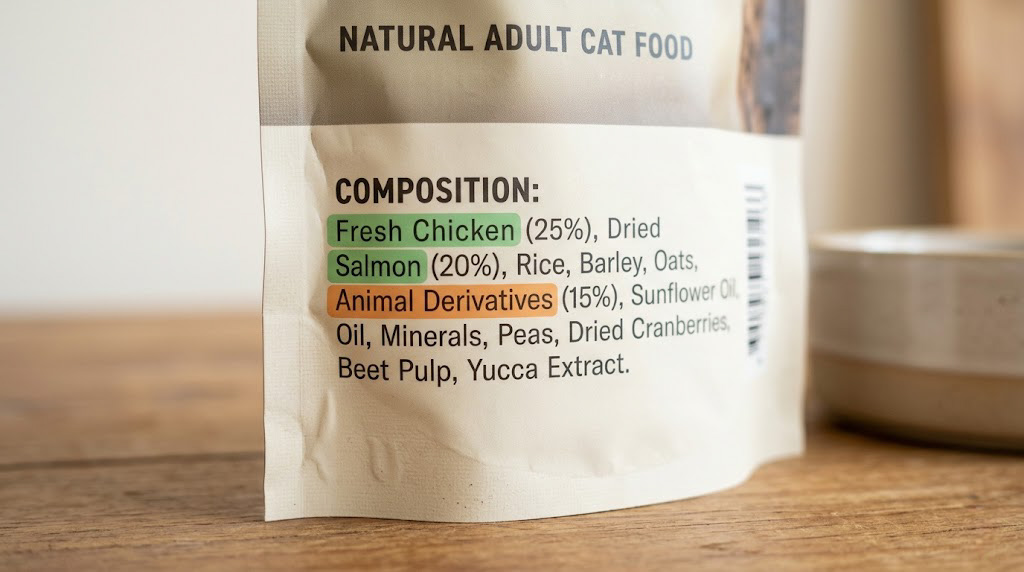
Shop labels are not a diagnosis. “Sensitive,” “grain-free,” and “limited ingredient” do not establish that a product is suitable for a diagnostic trial. Manufacturing controls and unintended protein contamination also matter.
If home cooking is being considered, our homemade vs. commercial pet food guide explains the practical differences. It does not replace a professionally formulated trial recipe.
Before starting, ask your vet to specify the exact product or recipe, daily amount, permitted treats, and a suitable plan for medicines and supplements.
How Vets Investigate a Food Allergy With an Elimination Diet
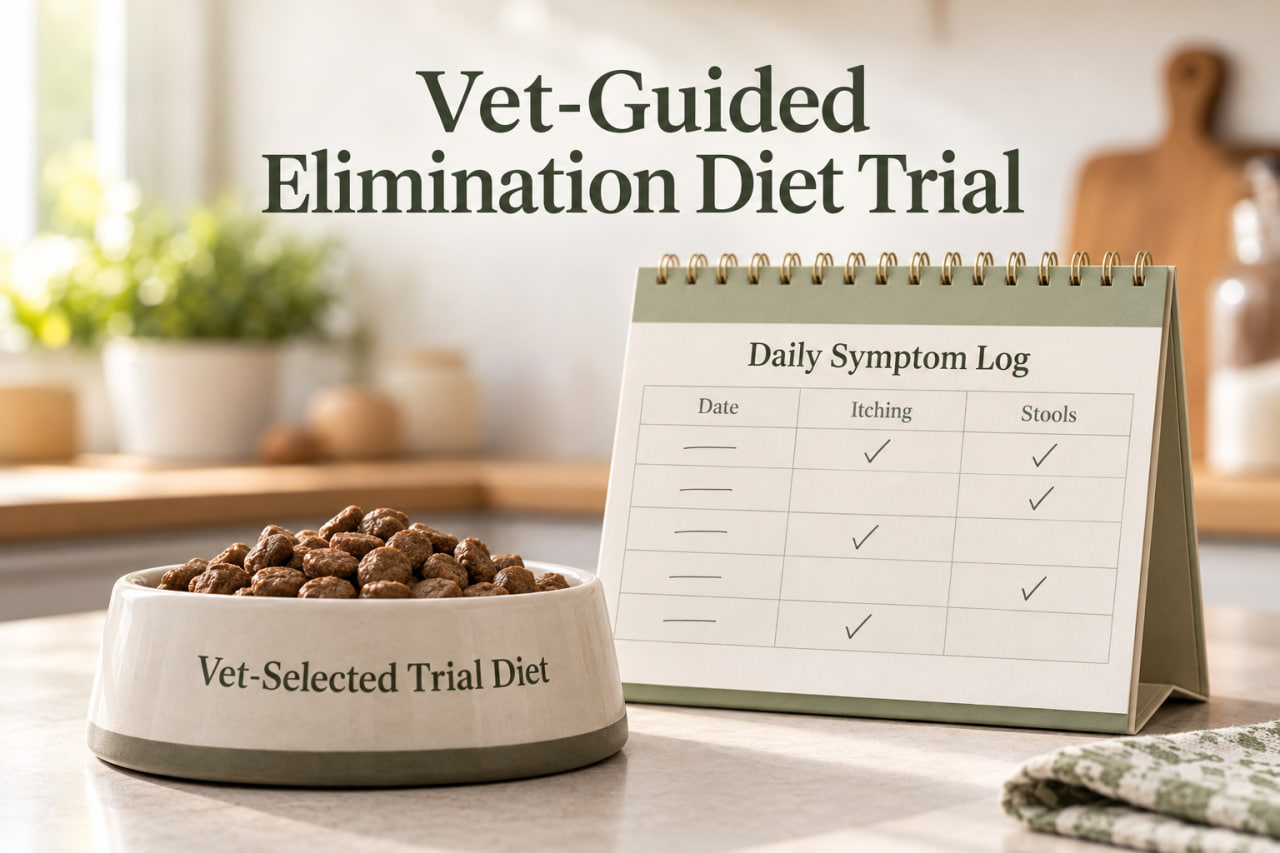
An elimination diet is a controlled investigation. The aim is to see whether signs improve on a carefully selected diet and return during a supervised food challenge.
1. Agree on the Plan and Review Dates
Your vet first assesses other possible causes and any infections needing treatment. Agree on the trial diet, how to introduce it, and when progress will be checked.
Skin signs often need an 8–12-week trial, although the schedule depends on the individual case. Follow your vet’s instructions rather than stopping as soon as your dog seems better.
2. Keep the Trial Diet Consistent
Feed only the agreed diet and any extras specifically approved by your vet. Check access to other pets’ bowls, dropped food, chews, and treats from family members.
Ask your vet to review flavoured medicines and supplements. Do not stop prescribed treatment or parasite prevention yourself.
If your dog eats something outside the plan, record what happened and contact the clinic. Your vet will decide whether the trial needs extending; one mistake does not automatically mean restarting a fixed 12-week clock.
3. Record Changes Without Changing the Plan
Keep brief notes on scratching, ear problems, stools, and any medicines given. Take dated photos where useful.
Report worsening signs or refusal to eat rather than waiting for the next review. Improvement may reflect treatment of an infection or another change, so it does not confirm food allergy by itself.
4. Complete the Vet-Directed Food Challenge
If signs improve, your vet may recommend reintroducing the original food under an agreed monitoring plan. A return of signs helps confirm a food-related cause.
Do not test suspected ingredients yourself. Further challenges to identify individual triggers should also be planned with your vet.
When Should You Contact a Vet?
You do not need to identify the food trigger before asking for help. Book a veterinary appointment if itching keeps returning, interrupts sleep, or causes your dog to damage their skin. Recurring ear problems also need an examination.
Contact your vet promptly if the skin becomes raw, painful, or develops discharge, or if an ear seems painful or smells unusual. Your dog may need treatment for an infection alongside the investigation into the underlying cause.
Seek emergency veterinary care immediately for difficulty breathing, collapse, or sudden facial swelling accompanied by vomiting or weakness. These signs can indicate a serious acute reaction or another emergency; do not wait to see whether changing food helps.
At the appointment, bring photos of flare-ups, your dog’s food packaging, and a list of treats, supplements, and medicines. Ask how to keep your dog comfortable while the cause is being investigated.
How FAMMO Can Support Your Dog’s Everyday Nutrition
Once your vet has identified your dog’s dietary restrictions, everyday feeding decisions still need to account for age, weight, activity level, and other health needs.
FAMMO’s personalized nutrition guidance uses your dog’s profile and known dietary restrictions to help you understand their feeding needs. Keep those details up to date, particularly after your vet confirms an allergy or changes their recommendations.
For example, if your dog has a confirmed chicken allergy, include that information in their profile. Use the guidance to prepare questions about suitable foods and portions, then check proposed changes with your vet.
During an elimination diet trial, follow your vet’s agreed food and portion plan. Do not introduce an AI-suggested meal, treat, or supplement without approval. FAMMO supports informed feeding decisions; it does not diagnose food allergies or replace veterinary care.
FAQs About Food Allergies in Dogs
Can blood, saliva, or hair tests identify my dog’s food allergy?
These tests cannot reliably confirm or rule out a food allergy on their own. Before paying for a commercial test, discuss it with your vet. A supervised elimination diet followed by a controlled food challenge remains the standard diagnostic approach.
Can hydrolyzed dog food contain chicken if my dog is allergic to chicken?
Yes. Some veterinary hydrolyzed diets use chicken protein broken into smaller fragments to reduce the likelihood of a reaction. However, not every hydrolyzed formula is suitable for every dog. Ask your vet about the exact product rather than choosing or rejecting it based only on the word “chicken.”
Can my dog have treats during an elimination diet?
Only those your vet has approved for the trial. Ask whether you can set aside part of the daily trial food to use as rewards. Dental chews, table scraps, and pill pockets can introduce other ingredients and make the results harder to interpret.
What if my dog is still itchy after the diet trial?
Arrange a review rather than switching foods again yourself. Your vet will assess the diet used, possible extra food exposures, and other causes of itching, including parasites, infections, or environmental allergies. Persistent itching alone does not establish whether food is responsible.
Take the Next Step With a Clear Feeding Plan
If you suspect a food allergy, start with a veterinary assessment and a record of what your dog eats. You do not need to work out the trigger alone.
Once your vet has established any dietary restrictions, FAMMO can help you explore everyday nutrition guidance based on your dog’s profile. Keep confirmed allergies and relevant health details up to date, and use that guidance alongside your vet’s feeding plan.