
Every pet owner wants their companion to live a long, healthy life. Choosing the right food used to be a guessing game. You might look at labels or ask friends for advice. Today, artificial intelligence (AI) is changing how we feed our pets. This technology uses data to create a diet plan just for your dog or cat. It takes the stress out of feeding and focuses on what your pet actually needs.
What AI Feeding Really Means
AI pet nutrition uses smart computer programs to study your pet. These systems look at many details at once. They check your pet’s breed, age, weight, and how much they run or play. Traditional pet food is made for millions of animals. AI makes a plan for just one.
These programs learn from thousands of vet studies and real world results. They find patterns in health that humans might miss. This helps the system pick the best ingredients for your pet’s unique body.
The Science of Smart Feeding
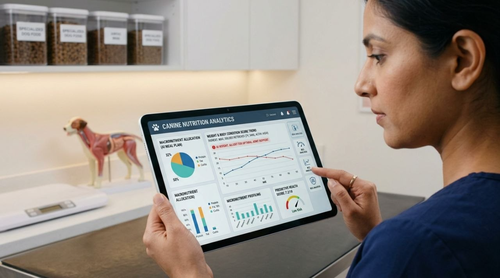
Modern tools use machine learning to track health trends. These models look for links between specific food and how a pet feels. A system might notice that certain breeds do better with less grain. It can also track how a cat’s metabolism slows down as it gets older.
Many of these tools connect to smart bowls or collars. This creates a loop of information. If your dog stays on the couch more often, the AI sees the change. It can then suggest smaller meals so your dog does not gain weight. This helps you catch health shifts before they become big problems.
Better Ways to Feed Your Pet
1. Custom Meal Plans
AI can create a meal plan that fits your pet like a glove. Most store brands use broad labels like “senior dog” or “active cat.” AI is much more specific.
If you have a French Bulldog with itchy skin, the AI finds the right protein. It sets a calorie goal that keeps them lean.
How the New Way Compares
A quick look at how AI changes the daily routine for you and your pet:
Feature | Traditional Feeding | AI-Powered Feeding |
|---|---|---|
Portion Sizes | Static labels (e.g., 1 cup) | Adjusts daily based on activity |
Health Tracking | Annual vet visits only | Constant monitoring of habits |
Allergy Control | Manual trial and error | Data-driven ingredient matching |
Weight Goals | Hard to see small changes | Predicts weight trends early |
Updates | Same food for years | Diet evolves as your pet ages |
You can find more details on AI-powered pet diets in Europe and how people use them today.
2. Spotting Health Issues Early
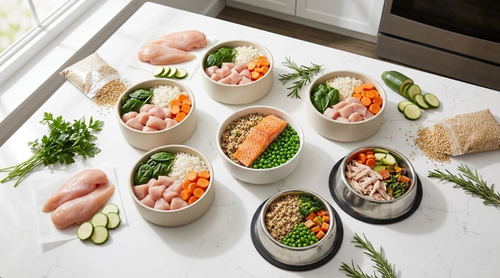
AI looks at how your pet eats to find early signs of sickness. A drop in appetite or a change in speed can mean something is wrong. The software alerts you so you can talk to a vet.
Studies from Cornell University College of Veterinary Medicine show that food prevents many chronic diseases. AI puts this expert knowledge into your hands. It acts as a digital scout for your pet’s health.
3. Managing Allergies
It is hard to find what makes a pet itchy or sick. AI tracks ingredients and reactions over time. It compares your pet’s data to thousands of other cases. This helps find safe food options much faster than old trial and error methods.
4. Keeping a Healthy Weight
Too many pets carry extra weight. This leads to joint pain and heart issues. Preventing pet obesity with AI works because the math is exact.
The system calculates calories based on the pet’s actual movement. It adjusts portions as they age. This keeps them at a healthy weight without the owner having to do complex math.
How Data Helps Your Pet
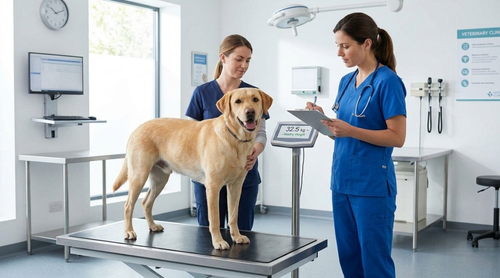
AI systems read global research in seconds. When a new study finds a better way to feed cats, the AI knows. It adds that info to your pet’s plan right away.
Every pet on these platforms helps the others. The system learns which foods work best for certain breeds. This creates a massive library of health knowledge that gets better every day.
Using AI Tools at Home
Smart feeders are now very common. They weigh every meal to the gram. Some even use cameras to make sure the dog doesn’t steal the cat’s food.
There are also many apps for your phone. These apps help you track treats and calculate daily totals. To get the best results, understanding pet nutrition basics is a good first step.

Why This Matters
A better diet leads to a longer life. Pets that eat the right food have more energy and fewer vet visits. While smart tools cost money upfront, they save you money on medical bills later.
Using AI also gives you peace of mind. You don’t have to worry if the marketing on a bag is true. You have data that proves the food is right for your specific pet.
Things to Remember
AI is a tool, not a replacement for a doctor. Always talk to your vet before you change your pet’s diet. Vets have the medical history that a computer might not see yet.
Also, look for apps that keep your data private. You want to make sure your information stays safe. Most good companies are very clear about how they use your data.

Common Questions About AI Pet Nutrition
Does AI replace my veterinarian?
AI is a helpful tool, but it does not replace professional medical care. It uses data to suggest the best food, but a vet understands your pet’s full medical history. Always talk to your vet before making big changes to your pet’s diet.
Can AI help with my pet’s food allergies?
Yes, AI is very good at tracking ingredients. It compares what your pet eats with how they react. The system then looks at a huge database of ingredients to find safe options faster than old trial and error methods.
How does the system know how much my pet exercises?
Most AI tools connect to smart collars or apps that track movement. If your pet is less active than usual, the system sees the change. It then adjusts the calorie count to prevent weight gain.
Is AI nutrition expensive for average pet owners?
While some smart feeders have an upfront cost, many AI apps are affordable or free to start. This technology can actually save you money over time. Better food leads to fewer health issues and lower vet bills in the future.
Can AI help in a house with multiple pets?
Smart feeding systems often use facial recognition or collar tags. This ensures the right pet eats the right food. It stops the dog from eating the cat’s dinner or an overweight pet from stealing extra portions.
Getting Started
Start by watching how your pet eats right now. Keep a simple log of their meals and treats for a few days. You should also look for a trusted app that works with vets.
You can create a free account to begin tracking your pet’s needs and see how AI can help.
Change their food slowly over a week or two. A slow change prevents a stomach upset. Watch your pet’s coat and energy levels as they switch to the new diet. AI tools make it easy to see these small wins in real time. Giving your pet a diet built just for them is the best way to show your love.