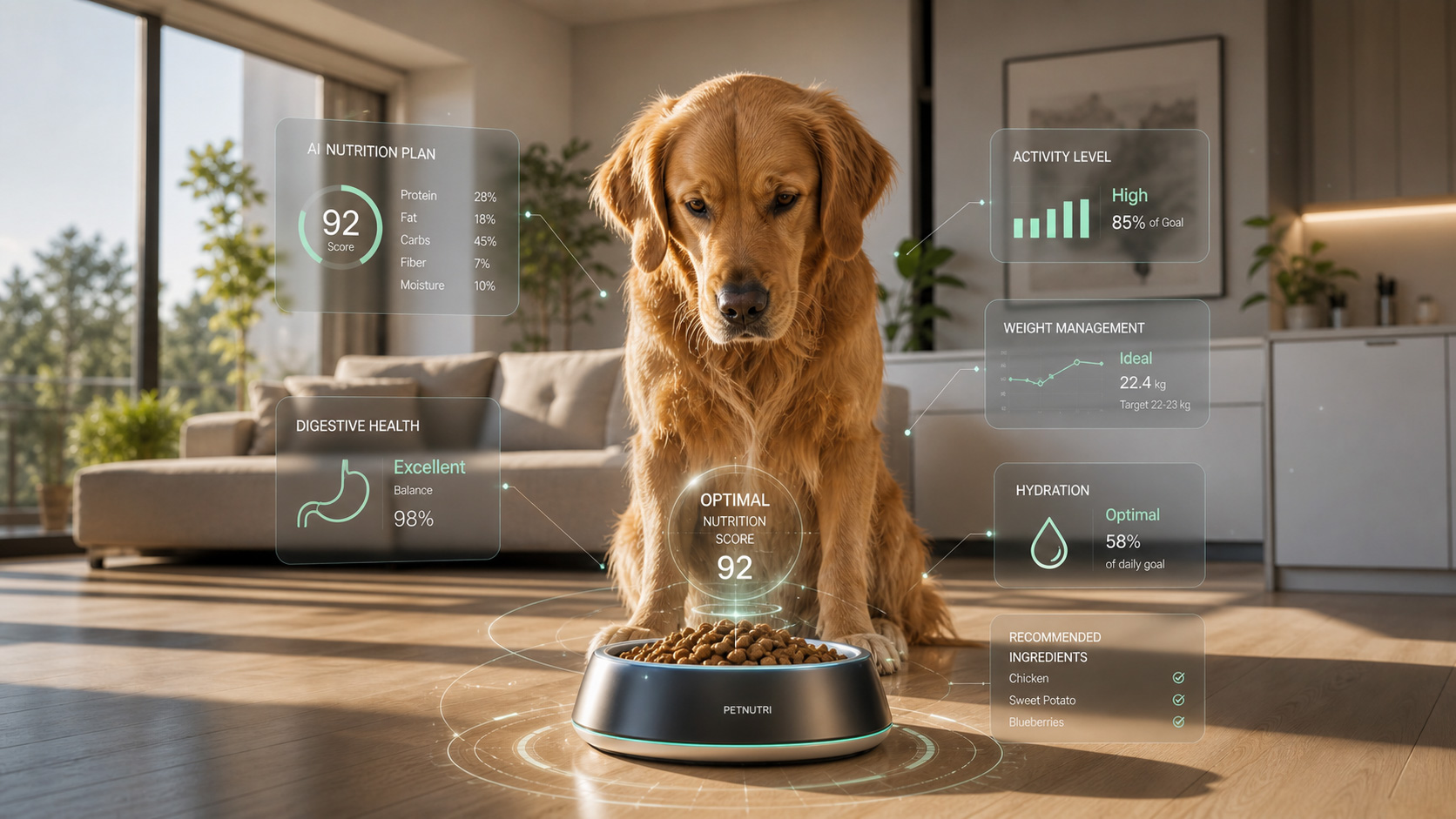
Most pets are fed the same way.
Same food.
Same portion.
Same routine.
For years.
And for most pet owners… it feels “good enough.”
But here’s the problem:
👉 Your pet is not “most pets.”
Every dog and cat has a unique metabolism, activity level, and health pattern.
Yet traditional feeding ignores this completely.
This is where personalized nutrition for pets changes everything.
Instead of guessing, it uses data, real signals from your pet’s behavior, digestion, and lifestyle, to create a diet that actually fits.
In this guide, you’ll learn:
- what personalized pet nutrition really means
- why generic diets quietly fail over time
- how AI is transforming pet health across Europe
And most importantly:
👉 how to start making smarter feeding decisions today
🧠The Moment Most Pet Owners Miss in Pet Nutrition
Picture this: You’re standing in the pet store aisle, staring at rows of premium pet food. You pick the one with the best reviews, the nicest packaging, and the promise of “complete health.”
You bring it home. Your dog eats it. Your cat seems fine.
For a while, everything looks completely normal.
But then, it starts quietly.
Maybe it’s a slight drop in energy during your evening walk.
Maybe it’s a tiny bit of weight gain you barely notice.
Or subtle digestion issues that come and go.
Nothing dramatic.
Nothing that makes you rush to the vet.
👉 But these are critical health signals.
The truth is, even the most expensive “generic” food can’t account for your pet’s unique metabolism, daily activity, or hidden health needs. What works for a highly active Husky won’t work for a relaxed senior Bulldog—even if they weigh exactly the same.
This is the exact problem personalized pet nutrition solves. It shifts the focus from what most pets need, to exactly what your pet needs right now. And with the rise of AI pet health technology, understanding these silent signals is no longer guesswork.
At FAMMO, we realized that bridging this gap between generic feeding and data-driven care is the key to a longer, healthier life for our companions. This isn’t just about food; it’s the beginning of a completely new era in preventive care.
🧬What Is Personalized Nutrition for Pets (And Why It Matters)
Personalized nutrition means one simple thing:
👉 Feeding your companion based on who they actually are , not just what “most pets” eat.
A traditional approach gives you a bag of food with a generic feeding chart on the back. But a custom dog diet plan or tailored cat nutrition strategy looks much deeper.
Instead of generic diets, it continuously considers:
-
Age & Breed: A Maine Coon kitten needs drastically different support than a senior Dachshund.
-
Current Weight: To catch micro-changes and prevent silent obesity before it starts.
-
Activity Level: Matching daily calorie intake to the actual energy they burn.
-
Digestion Patterns: Understanding how their unique system processes specific ingredients.
-
Behavioral Signals: Noticing if they are lethargic after meals or constantly hungry.
When you combine all these factors, you move away from guesswork.
This is not just feeding.
This is data-driven care.
Want to see how ingredient choices impact this process? Read our deep dive:
👉 Grain-Free vs. Regular Dog Food: What Does Your Dog Actually Need?
⚠️Why One-Size-Fits-All Diets Fail in Pet Nutrition
Most pets eat the same food…
For years.
Same ingredients.
Same portions.
Same routine.
But here’s the problem:
👉 Your pet changes. The food doesn’t.
As your companion ages, transitions through different seasons, or changes their daily activity levels, their nutritional needs shift. Continuing to feed them a static, unvarying diet leads to:
-
hidden weight issues
-
nutritional imbalances
-
long-term health risks
📊 Generic Feeding vs. Personalized Nutrition
To understand why the old way is failing, look at the difference:
| Feature | ❌ Traditional Generic Diets | ✅ Personalized Nutrition |
|---|---|---|
| Feeding Amount | Based on an average weight chart | Based on exact weight, age, and daily activity |
| Adaptability | Stays the same for years | Adjusts as your pet’s health data changes |
| Health Focus | Reactive (wait until issues appear) | Preventive (adjusts before issues start) |
| Ingredient Logic | Formulated for “average” digestion | Tailored to unique digestion patterns and sensitivities |
This is why feeding the exact same bowl of food every single day is a missed opportunity for optimal health.
If you’re unsure whether your current feeding pattern is causing issues, this guide helps clarify the basics:
👉 How Often Should I Feed My Dog? A Data-Driven Guide
🤖 How AI Is Changing Personalized Pet Nutrition
This is where things shift dramatically.
When it comes to your companion’s health, AI doesn’t guess.
It analyzes patterns.
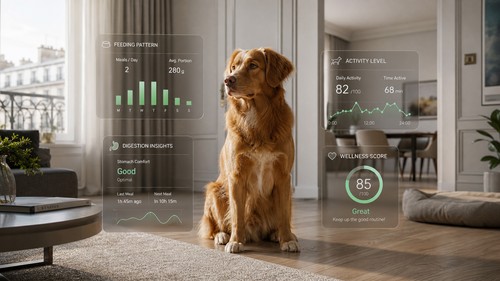
Traditional feeding relies on static charts, but modern pet health monitoring AI systems look at dynamic, real-time data. Modern pet nutrition platforms use:
-
Behavioral Tracking: Noting shifts in energy levels or sleep patterns.
-
Feeding Habits: Tracking how quickly they eat or if their appetite drops.
-
Health Signals: Monitoring physical changes like coat quality or subtle digestion issues.
-
Micro-Changes Over Time: Catching tiny weight fluctuations before they become a problem.
By constantly processing these data points, smart pet feeding platforms build a unique profile for your companion. They process thousands of variables that a human might miss.
They do all of this to answer one critical question:
👉 What does THIS specific pet need right now?
This level of insight allows for proactive adjustments to their diet, ensuring they always have the right balance of nutrients, week by week.
📚 Science Insight: The shift toward data-driven pet care is strongly supported by veterinary research. Studies indexed by the National Library of Medicine highlight how artificial intelligence and continuous data monitoring are becoming essential tools for preventive animal health and precision nutrition.
👉 Explore peer-reviewed research on AI in veterinary care via PubMed (NIH)
📊How AI Turns Pet Data into Nutrition Insights
How does a pet nutrition AI platform actually turn numbers into a healthier life for your companion?
Here is the three-step process behind modern pet diet optimization:
Step 1: Collect Data
The foundation of personalized care is accurate, ongoing information. Instead of relying on a yearly vet visit, the system continuously tracks:
-
Weight trends: Micro-fluctuations over weeks and months.
-
Appetite behavior: Changes in eating speed or meal completion.
-
Digestion signals: Frequencies and changes in stool quality.
Step 2: Analyze Patterns
Data alone isn’t enough; it requires interpretation. This is where AI acts as an always-on health monitor. By analyzing the collected data against thousands of health profiles, the AI identifies:
-
Health risks: Spotting early indicators of obesity or metabolic issues.
-
Nutritional imbalances: Detecting if the current diet lacks specific vitamins or energy sources.
-
Feeding inefficiencies: Recognizing if calories are being wasted or stored as excess fat.
Step 3: Generate Recommendations
Finally, the platform turns insights into clear, actionable steps you can take today. The system provides real-time adjustments to:
-
Adjust portions: Dynamically changing calorie intake based on current activity.
-
Improve ingredients: Suggesting proteins or supplements that match their current digestion needs.
-
Optimize feeding schedule: Finding the perfect times to feed for sustained energy and better sleep.
🐾Why the Same Dog Food Doesn’t Work for Every Pet
Let’s look at a common scenario.
Two dogs.
Same breed.
Same age.
Eating the exact same premium food.
But after six months:
- One gains stubborn weight.
- One stays perfectly lean and energetic.
Why does this happen?
👉 Because metabolism, daily activity, and digestion are entirely individual.
Dog A might be a natural lounger whose body is highly efficient at storing calories.
Dog B might be a restless thinker who burns energy just patrolling the house. Furthermore, their gut microbiomes might process the exact same ingredients differently.
Feeding them the identical scoop of food every day assumes their bodies function identically. They don’t.
This is exactly why generic feeding fails. Without predictive pet health analytics and a custom feeding plan, you are essentially flying blind, waiting for visible symptoms like obesity or lethargy to appear before making a change.
🧠How Personalized Nutrition Helps Prevent Pet Health Problems
This is the most critical mindset shift for any pet parent.
Personalized nutrition is not just about food.
It’s about early detection and proactive care.
In traditional pet care, we wait for a problem, like limping, severe vomiting, or obvious obesity, before we make a change. By the time these symptoms appear, the underlying issue has often been developing for months.
When you use data-driven feeding, AI acts as an early warning system. It can detect silent signals long before they become visible problems:
-
Weight trends before obesity: Catching a 2% weight increase and adjusting portions before it becomes a 10% health hazard.
-
Appetite changes before illness: Flagging a subtle, three-day drop in food intake that could indicate early dental issues or internal pain.
-
Digestion issues early: Recognizing patterns in minor stomach upsets that might point to a developing food allergy.
By focusing on these micro-changes, personalized nutrition shifts the entire approach from treating illness to preventing it. It keeps your companion in their optimal health zone for as long as possible.
Wondering what those silent signals look like in reality?
👉 Read our guide: 5 Silent Signs Your Cat Is Becoming Overweight
🌍Why Personalized Pet Nutrition Is Growing in Europe
European pet parents are setting a new global standard for how we care for our companions. The days of simply buying whatever is on sale are fading fast.
Across Europe, pet care is rapidly shifting toward three core pillars:
-
Preventive Health: Focusing on longevity rather than just treating illness.
-
Data Transparency: Demanding clear, trackable metrics on what pets consume and how it affects them.
-
Personalized Services: Moving away from mass-market solutions toward bespoke, tailored care plans.
According to the latest data from the European Pet Food Industry Federation (FEDIAF), European households are not just spending more on their pets; they are specifically investing in health-focused, premium nutrition. There is a growing demand for transparency and scientifically backed diets.
👉 The future of pet health across Europe is no longer reactive.
It is entirely predictive.
📚 Industry Insight: The shift towards personalized, data-driven pet nutrition is a major trend in the European market, driven by owners treating their pets as family members and seeking advanced healthcare solutions similar to human medicine.
👉 Review the European Pet Food Industry Facts & Figures (FEDIAF)
🔬The Science Behind Personalized Pet Nutrition
This isn’t just a tech trend; it is deeply rooted in modern veterinary science.
For decades, clinical research has proven that rigid, one-size-fits-all feeding models fall short. Today, the focus of advanced veterinary science has shifted entirely toward precision medicine and pet diet optimization.
Personalized nutrition aligns directly with peer-reviewed veterinary research, which consistently shows that:
-
Individualized diets significantly improve health outcomes: Tailoring macronutrients and targeted supplements to a pet’s specific biological profile enhances immune response, joint health, and overall daily vitality.
-
Early dietary intervention reduces disease risk: Adjusting a diet based on early, data-driven signals can dramatically lower the risk of severe chronic illnesses, such as feline diabetes, renal issues, and canine obesity.
When you feed your companion based on precise data, you are applying the exact same rigorous standards used in advanced animal sciences.
🔬 Clinical Evidence: Research indexed by the National Library of Medicine (NIH) emphasizes the critical role of customized dietary interventions in extending the lifespan and improving the quality of life for companion animals.
👉 Explore veterinary clinical studies on precision nutrition (PubMed)
🚀The Future of Personalized Pet Nutrition and AI
The future of pet health is beautifully simple:
👉 Pets won’t just be fed.
👉 They will be deeply understood.
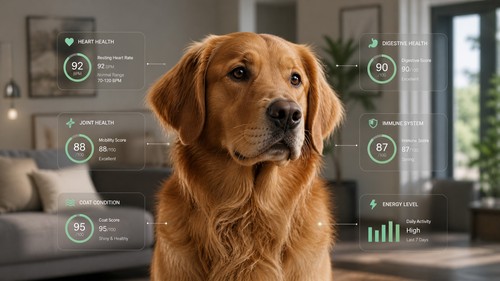
We are moving away from the era of static bags of food sitting in the pantry for months. Tomorrow’s standard of care means nutrition becomes:
-
Dynamic: It evolves continuously. Imagine a diet that naturally shifts as your pet moves from active summer months to slower winter routines.
-
Adaptive: It responds to real-time signals. If your companion’s digestion becomes slightly sensitive, the nutritional plan adjusts instantly before it becomes a clinical issue.
-
Intelligent: Powered by predictive AI, feeding transforms into an ongoing, data-driven conversation between your pet’s unique biological needs and what goes into their bowl.
We are no longer just keeping them full. We are optimizing their lives.
💡How FAMMO Uses AI for Personalized Pet Nutrition
The science of personalized nutrition is incredibly complex, but applying it to your daily routine shouldn’t be.
FAMMO is built around one core mission:
👉 To turn complex pet health data into simple, everyday decisions.
Instead of leaving you with overwhelming dashboards, raw numbers, or confusing veterinary jargon, our platform acts as your personalized pet health co-pilot. We process the heavy data behind the scenes to give you exactly what you need:
-
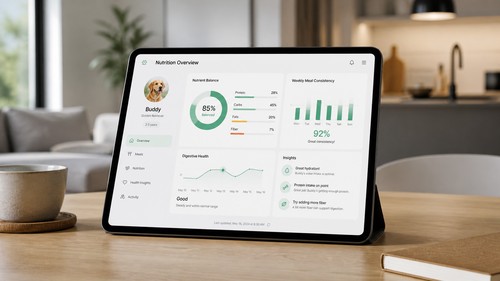
Clear Insights: Easy-to-understand updates on your pet’s current health status, weight trends, and digestion patterns.
-
Actionable Steps: Direct, practical guidance on what to do next, whether it’s adjusting a portion size today or changing a routine tomorrow.
-
Personalized Recommendations: Fully tailored, adaptive feeding plans that evolve in real-time as your companion grows and changes.
We believe that every pet parent deserves the tools to be a proactive caregiver, not just a feeder.
Want to dive deeper into the technology driving this revolution?
👉 Read: How AI is Changing Pet Nutrition Forever
🔥 Your Pet Is Speaking. Are You Listening?
Every day, your companion is giving you signals through their energy, their weight, and their habits.
The only question is:
👉 Are you seeing them?
Don’t wait for silent signs to become visible health problems. Stop guessing with generic food and start providing the exact care your best friend deserves.
Turn those signals into a longer, healthier life. Start using AI to understand your pet’s real needs today:
❓ Frequently Asked Questions (FAQ)
What is personalized nutrition for pets?
Personalized pet nutrition is a data-driven feeding approach tailored to your companion’s unique biology. Instead of relying on generic breed or age charts, it uses specific data points, like exact weight, daily activity, and digestion signals, to create a completely custom diet plan.
Is AI pet nutrition reliable?
Yes. AI in pet health is highly reliable because it continuously analyzes real-time patterns rather than relying on human guesswork. By tracking micro-changes in your pet’s habits over time, it provides much more accurate recommendations than static, traditional feeding guidelines.
Can personalized nutrition prevent pet diseases?
Yes, primarily through early detection. A tailored diet helps identify silent warning signs, such as subtle weight gain or appetite drops, long before they turn into chronic conditions like obesity or diabetes, significantly reducing long-term health risks.
Is personalized pet care and feeding expensive?
Not necessarily. While it focuses on premium care, optimizing your pet’s diet efficiency prevents food waste and often reduces unnecessary veterinary bills by avoiding diet-related illnesses in the future. It is an investment in preventive health.
How do I start a tailored feeding plan for my pet?
The easiest way to begin is by using an AI-powered platform like FAMMO. You can start by entering your pet’s basic data, and the AI will analyze their unique signals to give you actionable, tailored feeding recommendations immediately.