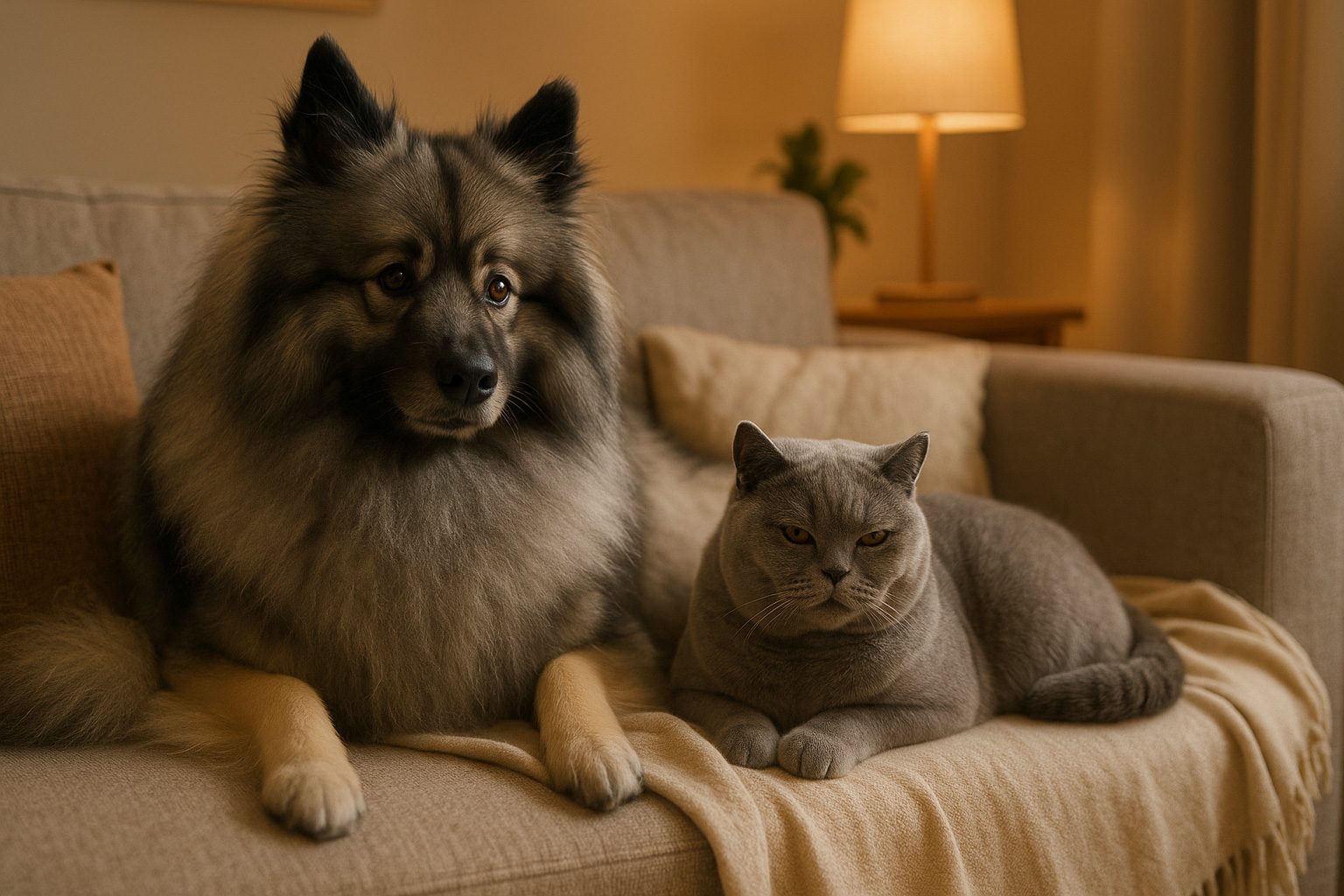
Hidden Stress in Cats and Dogs
Hidden Stress in Cats and Dogs: Scientific Ways to Calm Them Down
Table of Contents
- Understanding Hidden Stress in Pets
- Subtle Signs Your Pet May Be Anxious
- Science-Backed Ways to Reduce Stress
- Environmental and Behavioral Enrichment
- When to Seek Professional-Help
- Conclusion
- FAQ
Stress in cats and dogs often hides in plain sight. Unlike humans, pets don’t express tension through words—they express it through subtle behavior changes, shifts in posture, or avoidance patterns. Studies from the Cornell University College of Veterinary Medicine show that long-term stress elevates cortisol, affects immunity, and leads to behavioral disorders.

1. Understanding Hidden Stress in Pets
Stress is a biological reaction. In both species, the sympathetic nervous system—the classic “fight, flight, or freeze” response—activates when something feels threatening. This can be loud noises, unfamiliar smells, moving homes, or even a change in daily routine.
What makes stress hidden is the quiet adaptation pets tend to make. Cats silently withdraw; dogs lick their paws or pace. According to the American Veterinary Medical Association (AVMA), these stress signals are easy to miss until the problem becomes chronic.
For early health-related warning signs that may overlap with stress, see
Early Signs of Illness in Dogs and Cats You Should Never Ignore.
2. Subtle Signs Your Pet May Be Anxious
Dogs may show stress through:
• Excessive yawning unrelated to sleep
• “Whale-eye” (showing the whites of the eyes)
• Compulsive licking
• Pacing or sudden clinginess
Cats tend to be more discreet:
• Overgrooming (especially belly and inner thighs)
• Avoiding familiar resting spots
• Reduced slow-blink frequency
• Hiding or skipping meals
Early recognition of these subtle behaviors helps prevent long-term emotional imbalance.
Learn how diet can influence emotional stability in
How AI Is Revolutionizing Pet Nutrition.

3. Science-Backed Ways to Reduce Stress
Evidence-Based Methods
Aromatherapy (With Caution)
According to the ASPCA Behavioral Help Guide, calming scents like lavender or chamomile may help dogs relax. Cats are more sensitive to oils, so use only pet-safe, diluted formulations.
Music Therapy
Research in the Journal of Veterinary Behavior shows that classical and soft acoustic music lowers heart rate variability in pets and reduces tension.
Pressure Therapy
Snug-fitting wraps activate pressure receptors that calm the nervous system—similar to how weighted blankets help people.
Behavioral Conditioning
Counterconditioning pairs stressful triggers with positive outcomes, gradually retraining the brain’s fear pathways.
4. Environmental and Behavioral Enrichment
Pets feel more emotionally secure when they can express natural instincts.
For Dogs:
• Scent-tracking games
• Food puzzles for mental stimulation
• Regular exercise before predictable stressors
For Cats:
• Vertical shelves or cat trees
• Window perches for safe observation
• Hunting-style play sessions
Nutrition also plays a major role in lowering anxiety. For detailed guidance, read
Striking the Right Balance in Pet Nutrition.

5. When to Seek Professional Help
Chronic stress may lead to digestive issues, destructive behavior, aggression, or social withdrawal. In these cases, consulting a veterinarian or certified behaviorist is crucial. Medical conditions such as hyperthyroidism (cats) or adrenal disorders (dogs) can mimic anxiety.
Professionals may recommend:
• Tailored behavior modification plans
• Prescription anxiolytics
• Pheromone therapies like Feliway or Adaptil
If stress relates to nutrition, illness, or gut imbalance, nutritional corrections may improve behavior.
Conclusion
Hidden stress in pets is far more common than most people realize. By learning to interpret subtle signals, using science-backed calming techniques, enriching their environment, and seeking professional support when needed, you can meaningfully improve your pet’s emotional wellbeing.
FAQ
1. How can I tell if my pet is stressed or just tired?
Stress often includes pacing, hiding, sudden alertness, or overgrooming—fatigue does not.
2. What scents calm pets naturally?
Lavender and chamomile are well-studied options but must be used in pet-safe formulations.
3. Are calming supplements safe?
Many over-the-counter calming chews can help, but always consult a veterinarian before use.
4. Can stress cause illness?
Yes. Chronic stress weakens immunity and can worsen inflammation-related health issues.
5. Do pets get stressed when left alone?
Some do—especially dogs. Separation anxiety is common and should be addressed early.
Stress may be quiet, but once you learn to interpret the signs, you’re far better equipped to protect your pet’s mental health and create a calmer, more secure home.