
Introduction: AI Meets Preventive Pet Health
Artificial intelligence is becoming a powerful support tool in veterinary care and pet health monitoring. Instead of replacing veterinarians, AI helps analyze patterns that may be difficult for pet parents to notice early, such as changes in appetite, weight, activity, digestion, breathing, or daily behavior.
These early signals do not automatically mean disease. But when tracked over time, they can help pet parents know when something deserves closer attention or a veterinary check-up.
In this guide, we explain how AI can support earlier pattern recognition in pet health, what signs it can help monitor, where the technology is already being used, and why nutrition transparency still matters when interpreting your pet’s health data.
Artificial intelligence is already being discussed across veterinary medicine, with organizations such as the American Veterinary Medical Association highlighting how AI may support clinical workflows, diagnostics, monitoring, and decision-making in animal health.
Quick Answer: Can AI Detect Health Problems in Pets?
AI can help detect early health signals in pets by analyzing patterns in weight, appetite, activity, digestion, breathing, behavior, images, or veterinary test results. It does not replace a veterinarian or provide a final diagnosis, but it can help pet parents notice changes sooner and decide when to seek professional care.
Artificial intelligence is changing how pet parents notice early health changes in dogs and cats. Instead of waiting until symptoms become obvious, AI tools can help track patterns in appetite, weight, activity, digestion, and behavior over time.
Because many early health signals are connected to nutrition, food quality also matters. For cat owners comparing formulas, our guide to the best cat food brands in Europe can help evaluate options based on ingredients, nutrition standards, and suitability for different cats.
AI does not replace veterinarians or provide a final diagnosis. But it can help pet parents recognize early warning signals sooner and make better decisions about when to seek professional care.
Table of Contents
- Introduction: AI Meets Pet Health
- How AI Detects Hidden Diseases
- Examples of Smart Veterinary Tools
- Benefits of Early Detection
- Challenges and Ethical Considerations
- Future of AI in Pet Healthcare
- Key Takeaways
- FAQ
How AI Detects Early Health Signals in Pets
AI systems work by finding patterns in data. In pet health, that data may come from wearable devices, smart bowls, cameras, veterinary records, bloodwork, imaging, or owner-reported symptoms.
For example, AI may notice that a pet is becoming less active, drinking more water, eating less, gaining weight faster than expected, or showing repeated digestive changes. On their own, these signs may not confirm a disease. But when they appear together or continue over time, they can become useful early warning signals.
In veterinary research, machine learning has already been explored for predicting health risks such as chronic kidney disease in cats using routine clinical data. These tools are designed to support veterinary decision-making, not replace it.
The most important point for pet parents is this: AI is not a magic diagnosis tool. It is a pattern-recognition tool that can help highlight changes worth discussing with a veterinarian.
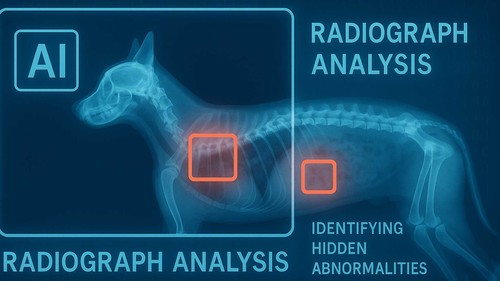
Examples of AI Pet Health Tools
AI is already appearing in several areas of pet care:
-
Wearable devices: Smart collars and trackers can monitor activity, sleep, heart rate, temperature, and movement patterns.
-
Smart feeders and bowls: Feeding data can reveal changes in appetite, meal timing, and calorie intake.
-
Smart litter boxes: For cats, changes in litter box frequency, weight, or urinary habits can signal that something may need attention.
-
Image and video analysis: AI-assisted imaging can help veterinary teams review scans, posture, gait, skin changes, or movement patterns.
-
Veterinary record analysis: Machine learning models can analyze lab results and medical history to support earlier risk prediction.
These tools are most useful when they are used as support systems. They can help organize signals, but a veterinarian is still needed to interpret symptoms, perform exams, and confirm diagnosis.
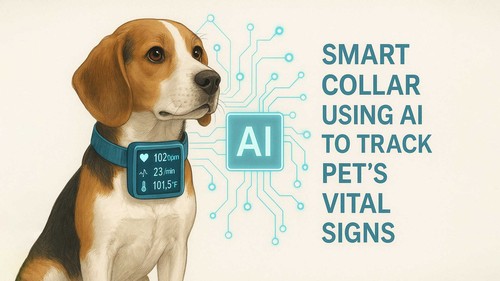
Benefits of Earlier Health Signal Detection
The biggest benefit of AI in pet health is not replacing veterinary care. It is helping pet parents notice changes sooner.
Earlier detection of unusual patterns may help with:
-
spotting appetite or weight changes before they become severe
-
noticing lower activity or mobility issues earlier
-
tracking digestion and stool changes over time
-
identifying when a veterinary visit may be needed
-
giving vets clearer data instead of relying only on memory
This can make conversations with veterinarians more specific. Instead of saying “something feels different,” pet parents can show real patterns: weight trends, meal changes, activity drops, or repeated digestive issues.
For dog owners, food choice is one of the first variables to review when health signals change. A drop in energy, unexpected weight gain, digestive changes, or appetite shifts may sometimes be connected to diet quality, feeding amount, or formula suitability. If you are comparing options, read our guide to the best dog food brands in Europe to understand how different brands fit different dogs.
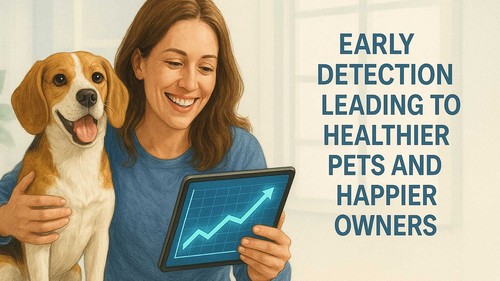
Challenges and Ethical Considerations
AI is not infallible. Poor data quality, biased datasets, unclear training methods, or overconfident interpretations can lead to false positives or missed signals.
Pet health data also raises privacy questions. Wearables, smart cameras, apps, and connected devices may collect sensitive information about daily routines, locations, and health patterns.
These concerns are also being discussed by veterinary organizations. The ethical and legal implications of AI in veterinary medicine include questions around accuracy, responsibility, privacy, transparency, and how AI-generated insights should be used alongside professional veterinary judgment.
In Europe, AI transparency and risk management are becoming increasingly important. The EU Artificial Intelligence Act reflects this broader shift toward clearer rules for how AI systems should be developed, explained, and governed.
For pet parents, the safest approach is simple: use AI as a support tool, not a final authority. If your pet shows sudden weight loss, repeated vomiting, diarrhea, breathing difficulty, pain, collapse, urinary problems, or major appetite changes, contact a veterinarian.
Why Food Transparency Still Matters in AI Pet Health
AI can help pet parents notice early changes in appetite, weight, energy, digestion, or daily behavior. But these signals are only useful when they are connected to reliable nutrition data.
For example, if a dog gains weight, becomes less active, or develops digestive changes, the cause is not always medical. Sometimes the issue starts with the food itself: formulation quality, calorie density, ingredient changes, feeding amounts, or poor manufacturing transparency.
That is why pet parents should not only track symptoms. They should also understand the quality and transparency behind the food they are using.
For a deeper look at how pet food companies are evaluated behind the label, read our updated guide: 2026 Pet Food Manufacturer Report: Brands You Can Trust.
The best approach is not AI alone or food labels alone. It is combining transparent nutrition choices with ongoing tracking of how your pet actually responds.
This is the same principle behind FAMMO: better pet health decisions start with better data, from the food label, the manufacturer, and the pet’s real-life response.
Nutrition transparency is not only a marketing issue. Resources such as the Pet Nutrition Alliance, Pet Food Manufacturer Evaluation Report help pet parents understand whether brands share information about formulation expertise, manufacturing control, and quality standards.
FAMMO Tip: AI health tracking works best when it is connected to real daily data. Create a free FAMMO profile to track your pet’s meals, weight, appetite, digestion, and activity patterns in one place.
Future of AI in Pet Healthcare
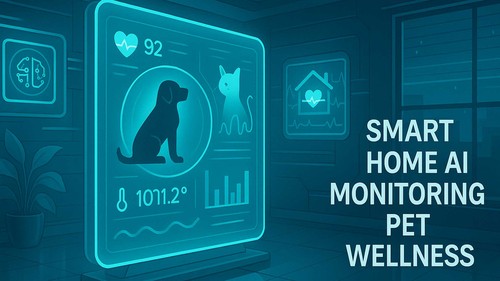
The next generation of AI systems will integrate with smart homes, allowing seamless health monitoring for pets. Imagine a home camera that notices your dog limping slightly or a litter box that alerts you to a cat’s urinary issue. These small insights could mean earlier treatments and better outcomes.
Key Takeaways
-
AI can help detect early health signals by tracking patterns in appetite, weight, activity, digestion, and behavior.
-
AI should support veterinarians, not replace them.
-
The best results come from combining pet health tracking with reliable nutrition and manufacturer transparency.
-
Data privacy, accuracy, and clear explanations are essential for trustworthy AI tools.
-
If your pet shows sudden or serious symptoms, always contact a veterinarian.
FAQ
1. Can AI replace veterinarians?
No. AI can support veterinarians and pet parents by organizing data and highlighting unusual patterns, but it cannot replace a physical exam, clinical judgment, diagnostic testing, or treatment planning.
2. Can AI detect diseases in pets before symptoms appear?
AI may help identify early risk signals or subtle changes before they become obvious to pet parents. However, AI does not provide a final diagnosis. A veterinarian should evaluate any serious or persistent symptoms.
3. What signs can AI help monitor in pets?
AI tools can help track patterns in appetite, weight, activity, sleep, digestion, breathing, mobility, litter box habits, and behavior. These patterns may help pet parents understand when something has changed.
4. Is AI pet health monitoring accurate?
Accuracy depends on the tool, data quality, condition being monitored, and how the system was trained. AI is most useful when it supports veterinary care rather than making decisions on its own.
5. How does nutrition affect AI pet health tracking?
Food can influence weight, digestion, energy, stool quality, skin condition, and appetite. That is why AI health tracking works better when pet parents also understand the transparency and quality of the food they use.
6. When should I contact a veterinarian?
Contact a veterinarian if your pet has sudden weight loss, repeated vomiting, diarrhea, breathing difficulty, collapse, pain, urinary problems, severe lethargy, or major appetite changes. AI tracking can help notice patterns, but urgent symptoms need professional care.
Start Tracking Your Pet’s Health Signals with FAMMO
AI cannot replace your veterinarian, but it can help you notice patterns earlier.
With FAMMO, you can track your pet’s meals, weight changes, appetite, digestion, activity, and nutrition history, so you are not relying only on memory or guesswork.
If something changes, you will have clearer data to discuss with your vet.