
Ear Care for Dogs and Cats: The Secret to Preventing Hidden Diseases
Table of Contents
- Why Ear Hygiene Matters
- Common Ear Issues in Pets
- Hidden Diseases Linked to Poor Ear Health
- Safe and Effective Ear Cleaning Steps
- When to Visit the Veterinarian
- Conclusion & Key Takeaways
- FAQ
Why Ear Hygiene Matters
Healthy ears are essential for a pet’s comfort, hearing, and overall well-being. Poor ear hygiene can lead to irritation, infections, and—most importantly—hidden diseases that may go unnoticed until they become severe.
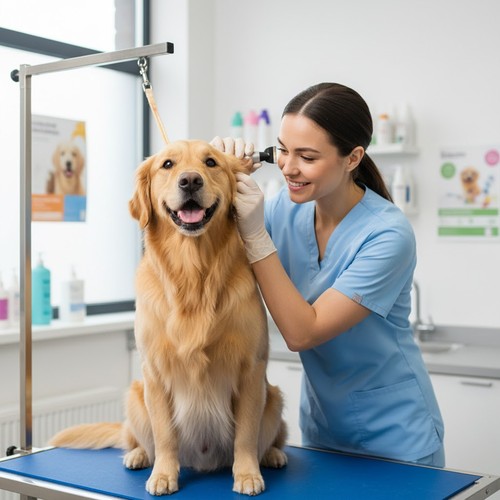
Common Ear Issues in Pets
Dogs and cats share several ear-related problems that, if untreated, can escalate into major health concerns:
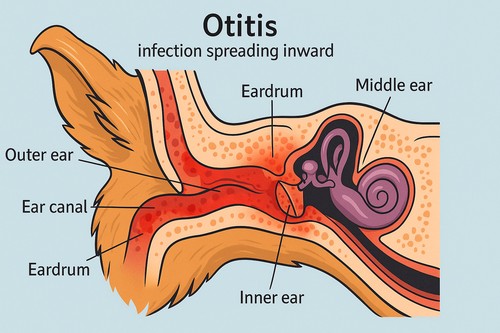
- Ear infections (Otitis externa): Caused by yeast, bacteria, or trapped moisture.
- Ear mites: Tiny parasites causing itching and dark discharge.
- Excessive wax: Can block airflow and promote bacterial growth.
- Foreign objects: Grass seeds or dust can trigger inflammation.

Hidden Diseases Linked to Poor Ear Health
Neglecting ear hygiene can lead to more than just infections. It often signals or causes deeper medical issues, including:
- Chronic allergies: Often manifest first in the ears.
- Fungal or bacterial spread: Untreated infections can travel to the middle or inner ear.
- Loss of balance or coordination: Inner ear inflammation affects movement.
- Hearing loss: Persistent infections can cause irreversible damage.
Proper cleaning routines and regular checkups can catch these early before they develop into systemic diseases.
Safe and Effective Ear Cleaning Steps
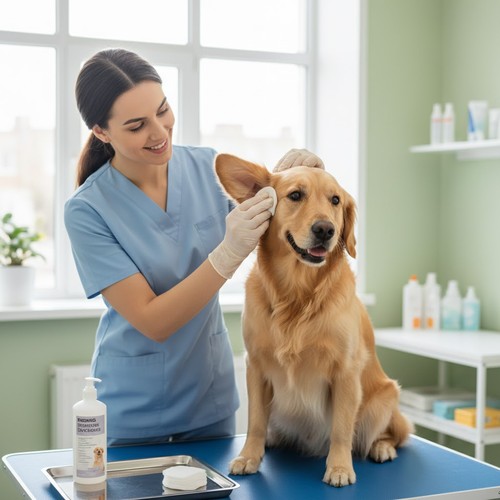
Cleaning your pet’s ears should be gentle and consistent. Follow these vet-approved steps:
- Use a veterinary ear-cleaning solution only.
- Apply a few drops inside the ear canal.
- Gently massage the base of the ear for 20–30 seconds.
- Let your pet shake its head to expel debris.
- Wipe the outer ear with soft cotton or gauze.
Avoid cotton swabs—they can push debris deeper or harm the eardrum.
When to Visit the Veterinarian
Even with routine care, certain signs require immediate vet attention:
- Constant scratching or shaking
- Redness or swelling
- Foul odor or thick discharge
- Head tilting or loss of balance
Conclusion & Key Takeaways
Healthy ears are the gateway to a happy pet life. Regular cleaning keeps infections away, prevents hidden diseases, and ensures your furry friend stays active and pain-free.
Key Takeaways:
- Check your pet’s ears weekly for dirt, wax, or odor.
- Clean ears gently using vet-approved solutions.
- Visit your vet for regular ear exams.
Consistent care today protects your pet’s future health.
FAQ
1. How often should I clean my dog or cat’s ears?
Every 2–4 weeks, depending on breed and activity level.
2. Can I use home remedies like vinegar?
No—these can irritate delicate ear tissue. Always use vet-recommended products.
3. What are early signs of ear infections?
Scratching, odor, redness, and shaking the head are key early indicators.
4. Are floppy-eared dogs more at risk?
Yes, breeds like Cocker Spaniels and Golden Retrievers are prone to moisture buildup and infections.
📦 Summary Box
Ear hygiene plays a silent yet powerful role in preventing disease. With regular checks, gentle cleaning, and professional guidance, you can protect your pet from hidden infections and discomfort.