Introduction
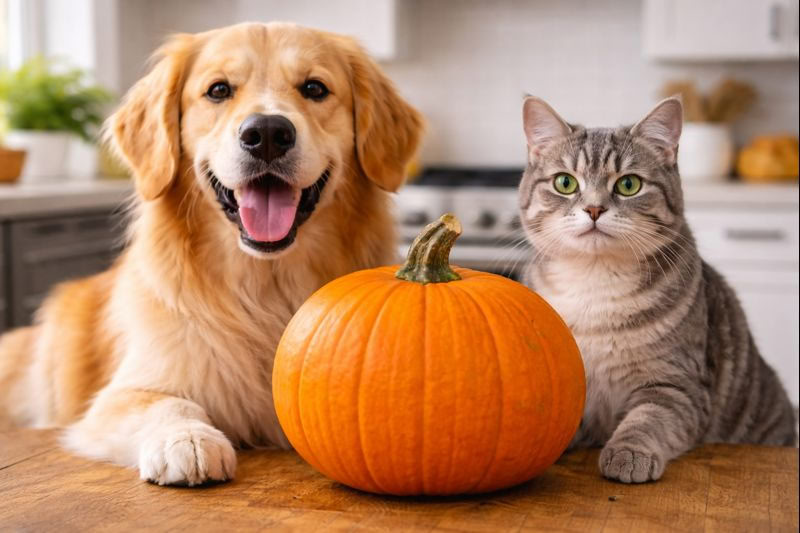
Have you ever wondered if there’s a simple, natural way to boost your pet’s health? Imagine if just one ingredient could support digestion, enhance hydration, and even help with weight management! Well, pumpkin might just be that magic ingredient for your furry friend. This matters because incorporating pumpkin into your pet’s diet can lead to numerous health benefits. In this blog, you’ll learn about the basics of pumpkin’s nutritional value, key factors to consider, practical ways to include it in your pet’s diet, and more.
Understanding the Basics
What It Is
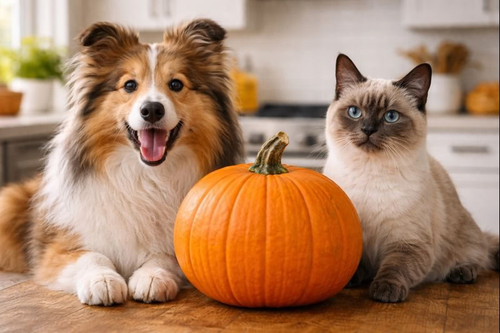
Pumpkin is a versatile fruit packed with fiber, vitamins, and minerals. It’s not only a staple in human fall recipes but also a fantastic addition to your pet’s diet.
Why It Matters
Pumpkin offers numerous benefits for your pets, including:
- Rich in Fiber: Helps with digestion and prevents constipation.
- Vitamins A and C: Boosts immune health and supports vision.
- Low in Calories: Ideal for weight management.
📖 Related Read: Understanding Pet Nutrition
Learn how to balance your pet’s diet with the right nutrients and ingredients for a healthier life.
Key Factors & Considerations
Important Factors
- Quality: Use fresh or canned pumpkin without additives or spices.
- Quantity: Start with small amounts to avoid digestive upset.
- Frequency: Incorporate as a treat, not a staple.
How It Affects Your Pet
Pumpkin can help alleviate diarrhea and constipation due to its high fiber content. According to PetMD, a tablespoon of pumpkin can also aid in weight loss by making your pet feel fuller.
Practical Options/Solutions
Option 1: Fresh Pumpkin
- Pros: Nutrient-rich and natural.
- Cons: Requires preparation and cooking.
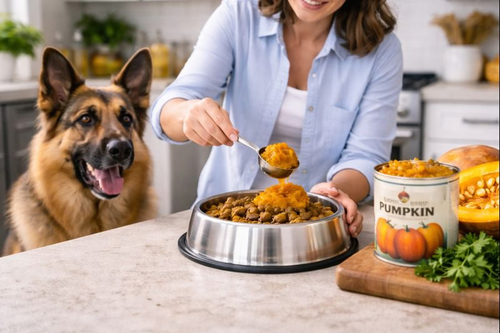
Option 2: Canned Pumpkin
- Pros: Convenient and readily available.
- Cons: Ensure it’s pure without any added sugars or spices.
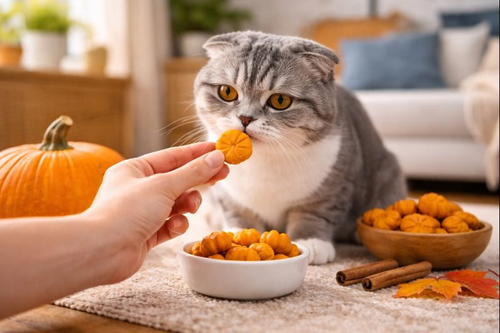
Option 3: Pumpkin Treats
- Pros: Easy to feed and can be found in pet stores.
- Cons: Check for other ingredients that might not be beneficial.
How to Introduce Pumpkin to Your Pet’s Diet
- Start Slow: Introduce small amounts to monitor for any adverse reactions.
- Mix It In: Add to your pet’s regular food gradually.
- Stay Observant: Watch for any digestive changes.
What to Watch For
Warning Signs
- Allergic Reactions: Itching, swelling, or hives.
- Digestive Upset: Vomiting or diarrhea if too much is given.
When to See a Vet
If you notice any severe reactions or if your pet has a chronic health condition, consult your vet before adding pumpkin to their diet. Rest assured, most pets enjoy pumpkin without any issues.
Conclusion
- Pumpkin is a healthy, natural addition to your pet’s diet.
- It supports digestion and overall well-being.
- Always introduce new foods gradually and observe your pet’s reaction.
Remember, when in doubt, consult your vet or visit FAMMO for more personalized advice on your pet’s health journey!