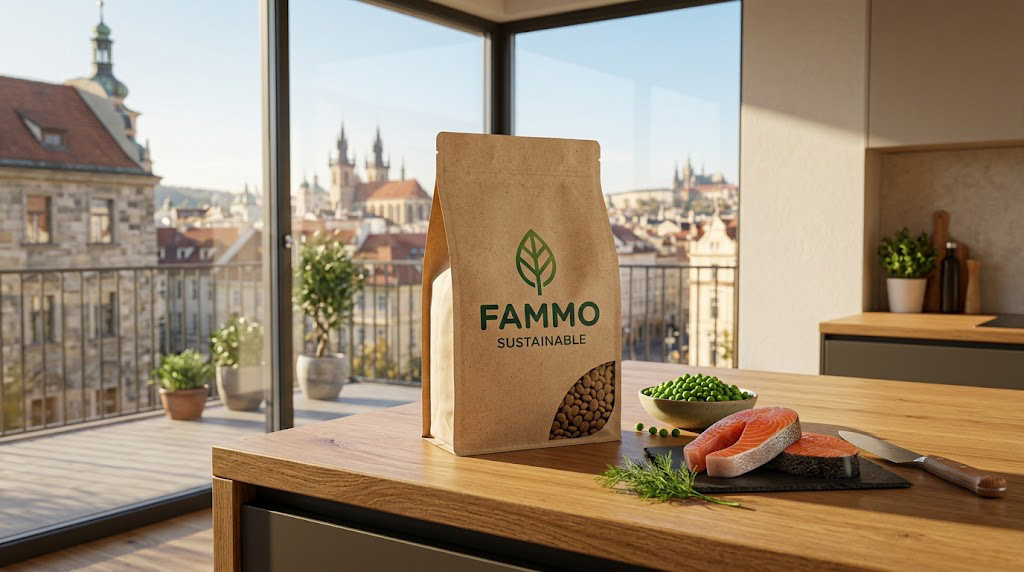
Choosing sustainable pet food in Europe starts with two questions: is it suitable for your dog or cat, and what evidence supports its environmental claims? A green-looking bag or an “eco-friendly” slogan does not answer either.
Start with the pet food label. Check whether the product is labelled as complete food for your pet’s species and life stage. Then examine its ingredient sourcing, any relevant certification and the disposal instructions for its packaging.
For owners shopping in the Netherlands, this means checking the specific product available to you, not relying on a brand’s overall green image. Before buying, ask what its sustainability claim covers and whether your local waste collection accepts the packaging.
This guide explains how to compare organic labels, insect-based recipes and European brand examples, while keeping your pet’s nutritional needs at the centre of the decision.
Quick Answer: How Do You Choose Sustainable Pet Food?
Choose a complete food suited to your dog or cat’s life stage, then look for specific, documented environmental claims. “Organic,” “insect-based” or “recyclable” each describes a different feature; none alone proves that a food has a lower overall environmental impact.
Before buying, check:
Nutritional suitability: Is it complete food for your pet’s species and life stage?
Evidence: Does the manufacturer explain the claim, name the certification or publish the assessment behind it?
Packaging: Can the specific bag, pouch or carton go into your local recycling collection in the Netherlands?
Compare the actual products, not just the brands’ green messaging.
What Do Environmental Claims on Pet Food Actually Mean?
Environmental claims can refer to farming, ingredients, production or packaging. The key is to identify which part of the product a claim covers, and what it leaves unanswered.
Claim on the pack | What it tells you | What it does not establish |
|---|---|---|
Certified organic | The product meets the relevant organic production and labelling requirements. | Its carbon footprint compared with another recipe. |
Locally sourced | Specified ingredients come from a stated area. Check which ingredients the claim covers. | The impact of farming, processing and the finished food. |
Recyclable packaging | The packaging is designed for a recycling process. | Whether your local collection accepts that particular material. |
Compostable packaging | The material can break down under specified conditions. | Whether it belongs in your household compost or food-waste bin. |
Lower carbon footprint | A reduction is claimed against a comparison. | How meaningful it is without the baseline, method and scope. |
For organic pet food, the Council of the EU’s explanation of labelling rules sets out the requirement that at least 95% of agricultural ingredients by weight must be organic for use of the EU organic logo, alongside the applicable organic rules. This is a production certification, not a carbon rating.
Packaging needs particular care in the Netherlands. Milieu Centraal’s guidance on compostable plastic says compostable plastic packaging belongs in residual waste (restafval), rather than the GFT or PMD collection. A “compostable” pet food pouch should therefore not automatically go into the green bin.
When a manufacturer claims “less CO₂,” look for three details: less than what, measured over which stages, and reported when. If these are missing, you cannot make a reliable comparison from the slogan alone.
Buying Sustainable Pet Food in the Netherlands
Once you have shortlisted suitable foods, compare the feeding instructions, daily cost and pack size. These details help you choose something practical to keep buying and using.
Recognise the Dutch Label Terms
On Dutch-language packaging, look for:
Volledig diervoeder: complete food, formulated to provide a daily ration for the stated animal.
Aanvullend diervoeder: complementary food, intended for use alongside other food rather than as the sole diet.
The Dutch Food and Consumer Product Safety Authority (NVWA) explains this distinction. A complementary product may look like a regular meal, so check this wording before treating it as your pet’s main food.
Compare the Cost per Day
Use the feeding amount for each recipe rather than assuming equal portions:
Estimated daily cost = price per kilogram × daily portion in grams ÷ 1,000
Manufacturer feeding guides are starting estimates, not exact prescriptions. Include delivery charges when comparing online purchases, and calculate each part separately if you combine wet and dry food.
Choose a Pack You Can Finish
Before ordering a large bag or multipack, check the storage instructions and how soon the food should be used after opening. A bulk discount offers little value if part of the purchase goes unused.
When trying a new recipe, consider a smaller pack first. Check that the same formula is regularly available from your chosen Dutch retailer before committing to a subscription.
Insect and Plant Proteins: What Matters for Dogs and Cats?
Changing the protein source can affect a food’s environmental footprint, but the benefit depends on how that ingredient is produced and what it replaces.
Insect Protein: Check the Comparison
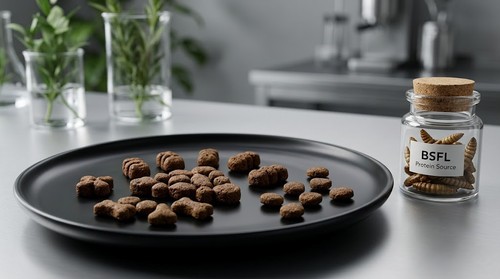
Insects such as black soldier fly larvae can supply protein in pet food. However, comparing them with beef raised for human consumption does not tell you how they compare with the animal by-products used in many pet foods.
A scientific review available through Wageningen University & Research highlights this distinction and the need for more long-term research into insect-based diets.
For an insect-based recipe, ask the manufacturer:
What evidence supports the finished food’s environmental claim?
How has its nutritional adequacy been assessed for dogs or cats?
Is any allergy claim supported for this particular formula?
“Insect-based” alone does not establish that a food is hypoallergenic or suitable for every pet.
Plant Ingredients in Cat Food: What to Know
Plant ingredients can have a role in formulated cat food, but adding lentils, algae or other toppers does not automatically improve a complete diet. Cats’ nutritional requirements, including taurine, must be met by the overall formula. The FEDIAF nutritional guidelines provide recommendations by species and life stage.
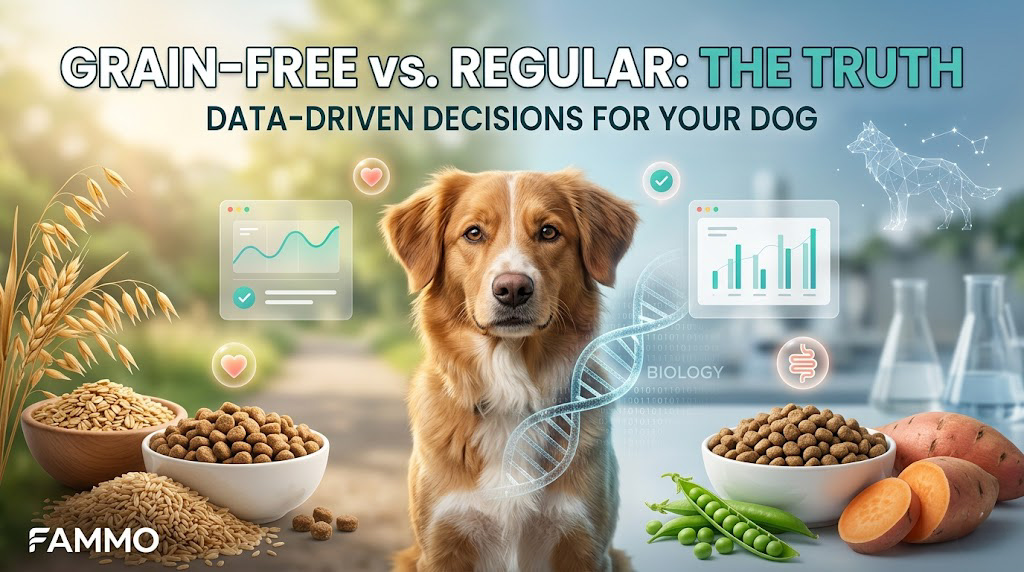
If you also have a dog, our grain-free vs regular dog food guide explains how to assess grain-free claims. It is a dog-focused guide, so its feeding advice should not be applied directly to cats.
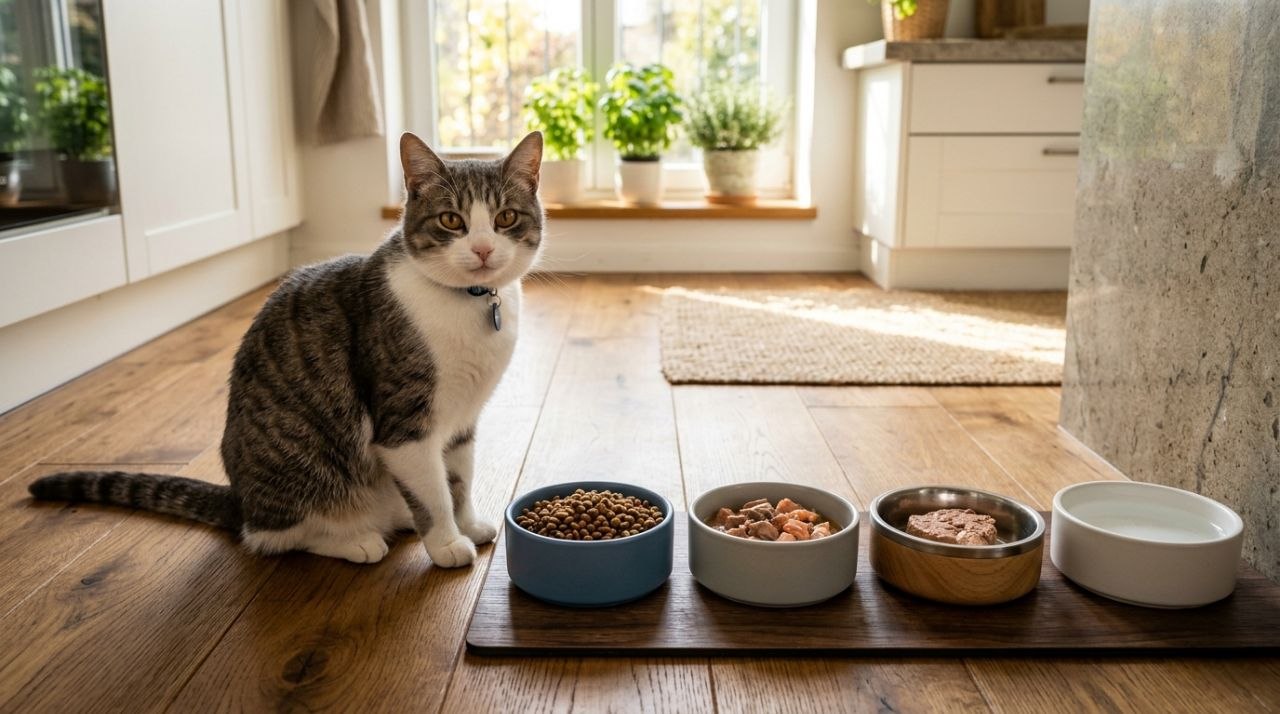
For your cat, assess the finished recipe rather than treating “plant-based boosters” as proof of better nutrition or a smaller environmental footprint.
European Pet Food Brands: Sustainability Claims Compared
These four brands illustrate different approaches to sustainability. The table summarises information published by the manufacturers; it is not an independent ranking of their environmental footprints.
Brand | Approach to examine | What to check before buying |
|---|---|---|
Publishes organic certification information for its dog and cat food. | Check the certification and feeding purpose of the particular product, including whether it is a complete food or a treat. | |
Describes kibble bags made with paper fibres and a polypropylene inner layer. | Follow disposal guidance for the actual packaging format; bags, pouches and tins need different handling. | |
Reports renewable electricity use at its Vårgårda production site and uses Tetra Recart cartons for some wet foods. | Distinguish factory electricity claims from the footprint of the whole recipe. Check which products use cartons. | |
Offers insect-based recipes for dogs and cats. | Check the species, life stage and nutritional information of the chosen recipe, plus availability through a retailer serving the Netherlands. |
Manufacturer information checked: 2026-10-02. Formulas and packaging can change, so use the current product label when making your final choice.
For a broader cat-food comparison, see our Best Cat Food Brands in Europe guide. Use it alongside this table: nutritional suitability and environmental evidence answer different questions.
Put Your Pet’s Needs into the Decision with FAMMO
You have compared the labels and shortlisted a few foods. Which options fit your pet’s needs?
Start by adding your dog or cat’s details to FAMMO, including age, breed, weight and neutering status. FAMMO uses this information to provide personalised nutrition and preventive-health guidance, giving you context beyond the claims on a food bag.
Use that guidance alongside the product’s feeding information to identify questions worth checking with the manufacturer or your veterinarian. For example: is the recipe intended for your pet’s current life stage, and what should you consider before changing their diet?
FAMMO supports informed feeding decisions. Environmental claims require separate evidence, and prescribed diets should be reviewed with your veterinarian.
Frequently Asked Questions
Is grain-free pet food more sustainable?
Not automatically. Removing grains tells you which ingredients are absent, not the environmental impact of their replacements. A useful comparison needs evidence about the finished recipes.
Is a Dutch pet food brand greener than an imported brand?
Being based in the Netherlands does not establish a lower footprint. Ingredients may come from other countries, and the company’s address may differ from its production location. Check what “Dutch” or “local” actually refers to.
What if a brand does not publish environmental data?
You can assess specific information, such as a named certification or packaging material, but its overall footprint remains uncertain. Ask for the evidence behind its claim; missing data is neither proof of sustainability nor proof of poor performance.
Your Next Step
Choose one product to assess before your next purchase. Match it to your pet’s needs, identify the evidence behind its environmental claim and check whether its daily cost fits your budget. You do not need to replace a suitable diet simply because another bag looks greener.
Ready to consider your pet’s individual needs? Create a profile with FAMMO to get personalised nutrition and preventive-health guidance.