
Quick answer: Personalized nutrition for pets means choosing suitable food, setting portions, and planning meals around your dog’s or cat’s life stage, body condition, activity, and health needs. It starts with assessing your pet, then reviewing how well the feeding plan works over time.
A feeding guide on the packet gives you a starting point. The next step is to look at your own pet: what they currently eat, how much they receive—including treats—and whether their weight and body condition are appropriate.
Start by checking what the food provides. Our guide to reading a pet food label explains the information to look for before planning portions.
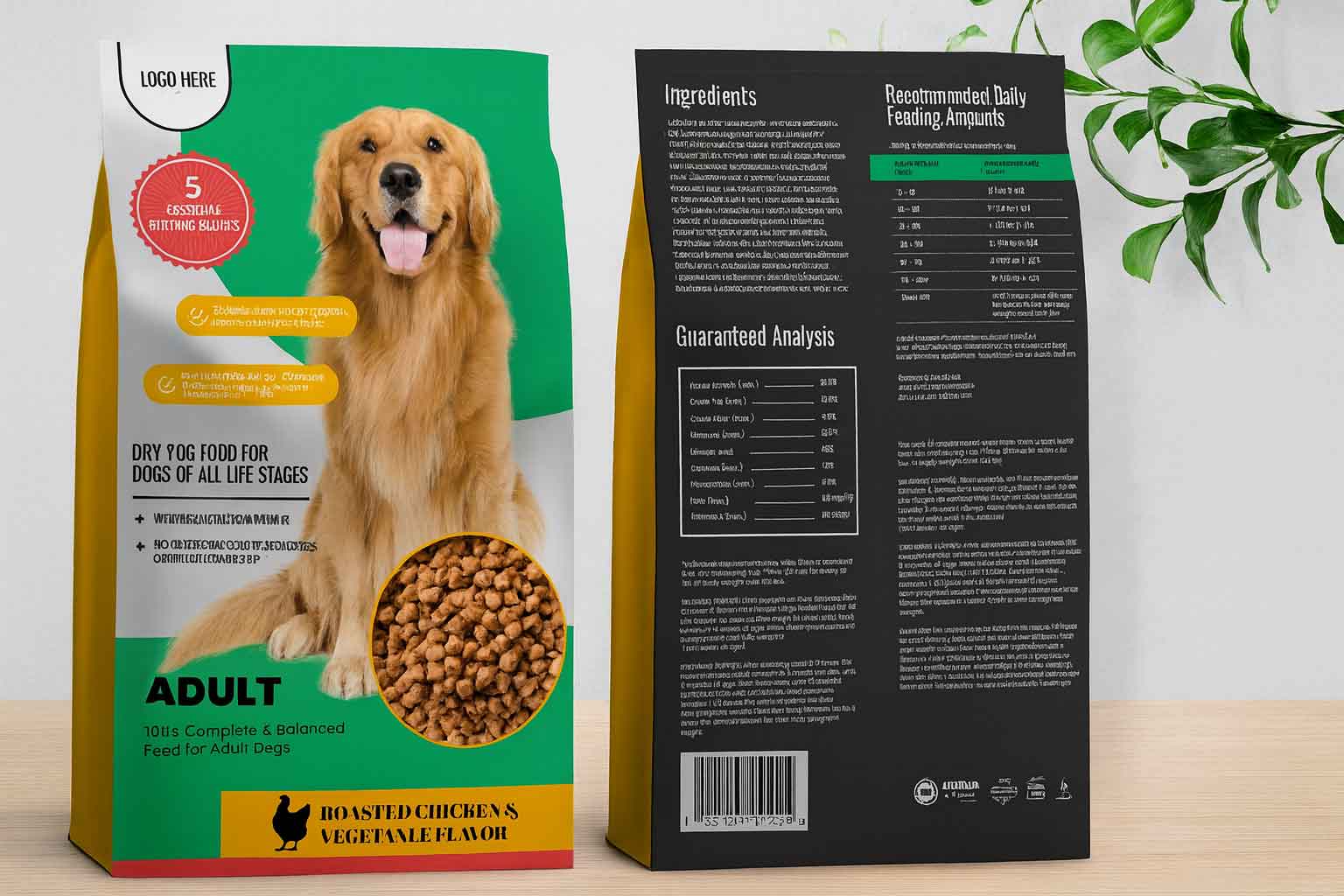
This guide walks you through the practical steps: gathering your pet’s details, choosing an appropriate diet, measuring meals, and tracking progress. You will also learn where AI tools can help organise information and when feeding decisions need your veterinarian’s input.
Does Personalized Nutrition Mean Buying Custom Pet Food?
You do not have to order a specially made recipe to personalise your pet’s feeding.
There are two different things to consider:
A personalised feeding plan sets out which food to use, how much to offer, how to account for treats, and what to monitor. It can use a suitable ready-made food.
A custom-formulated food has a recipe designed for particular requirements. This is a separate service: a food subscription that recommends portions may still use standard recipes.
For example, two healthy adult dogs may eat the same complete food but need different daily amounts. The feeding plan can be individual even when the recipe is identical.
Before paying for a “personalised” product, ask:
Is the recipe customised, or is only the portion recommendation personalised?
Is the food complete and suitable for my pet’s species and life stage?
Who develops the recommendations, and what information do they use?
How will the plan be reviewed if my pet’s weight or needs change?
The starting point is an assessment of your pet and their current diet. The WSAVA nutrition toolkit includes diet-history forms and body-condition tools that veterinary teams use to support this process.

What Information Do You Need About Your Pet?
Before changing meals, make a short record of your pet’s current food and routine. Keep the packaging or photograph the label so you can check the details.
What to record | Useful details |
|---|---|
Basic profile | Dog or cat, age, breed or size, and neuter status |
Weight and body condition | Latest weight, date measured, recent changes, and your vet’s assessment of body fat and muscle |
Current food | Exact product name, life-stage suitability, and calories per gram, pouch, tin, or cup |
Daily amounts | Grams of each food offered, leftovers, and all treats, chews, toppers, or table scraps |
Activity | Usual walks and play, plus any change in routine |
Health history | Diagnosed conditions, medicines, supplements, and prescribed diets |
Feeding setup | Meal times, who feeds, and whether another pet can reach the bowl |
A useful first task: Record everything your pet eats over three typical days. Ask everyone in the household to include extras; a plan based only on the main meals can miss part of the daily intake.
If you do not know your pet’s body condition or target weight, ask your veterinary team rather than choosing a goal from breed averages alone.
How to Build a Personalized Feeding Routine
Use the information you collected to turn general feeding advice into a routine you can follow.
1. Choose a Suitable Main Food
Check that the food is labelled complete for your pet’s species and life stage. In Europe, “complementary” food is intended to be fed alongside other food; it is not a complete daily diet on its own.
If your pet has a prescribed diet, discuss changes with your veterinarian before replacing it or adding extras.
2. Set a Daily Food Allowance
For a healthy pet at an appropriate weight, the packet’s feeding guide can provide a starting amount. Your veterinary team can help check whether it fits your pet’s needs.
Include treats and other extras within the daily calorie allowance. AAHA recommends that treats and other foods outside the complete diet provide no more than 10% of daily calories for healthy dogs and cats at an appropriate weight. Prescribed diets may require stricter limits.
When combining wet and dry food, calculate their contributions together rather than offering the full daily allowance of each.
3. Measure and Divide the Food
Use a kitchen scale to weigh portions in grams, especially for dry food. Divide the daily total between meals that suit your pet’s age, health, and household routine.
Prepare the day’s treats separately so everyone knows what is available. In homes with several pets, supervise or separate feeding so each animal receives their own portion.
4. Review What Happens
Track weight and body condition at intervals agreed with your veterinary team. Note appetite, stool changes, and how much food is left.
If weight moves away from the agreed goal, review portions, extras, and food access before making an adjustment. Unexplained weight changes or ongoing digestive problems need veterinary assessment.
Write down the final plan: the food, grams per day, meal portions, treat allowance, and next review date.
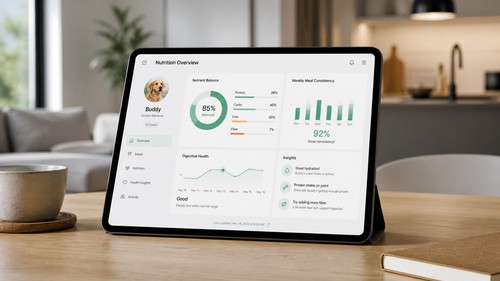
A Worked Example: Turning Calories into Portions
Suppose your veterinary team has agreed on 400 kcal per day for your pet. The dry food provides 380 kcal per 100 g, and you plan to include 20 kcal of suitable treats.
These figures are fictional and illustrate the calculation. They are not a calorie recommendation for your dog or cat.
Calculation | Result |
|---|---|
Daily calorie allowance | 400 kcal |
Subtract planned treats | 400 − 20 = 380 kcal for main food |
Convert the food’s energy value | 380 ÷ 100 = 3.8 kcal per gram |
Calculate the daily food portion | 380 ÷ 3.8 = 100 g per day |
Formula: Daily grams = calories allocated to that food ÷ calories per gram.
If the agreed routine includes two equal meals, that means 50 g per meal, with the treats already accounted for.
For mixed feeding, subtract the wet food’s calories as well before calculating the remaining dry portion. If calorie information is missing from the packaging, ask the manufacturer rather than estimating from the ingredient list.
Use your pet’s agreed calorie allowance and the energy value of the exact product you feed.
When to Personalize Your Pet’s Diet With a Veterinarian
A feeding plan needs veterinary input when the goal goes beyond maintaining a healthy pet’s everyday routine. Your veterinarian can assess whether a change in food, portions, or feeding habits is appropriate and whether a health problem needs attention first.
When weight needs to change
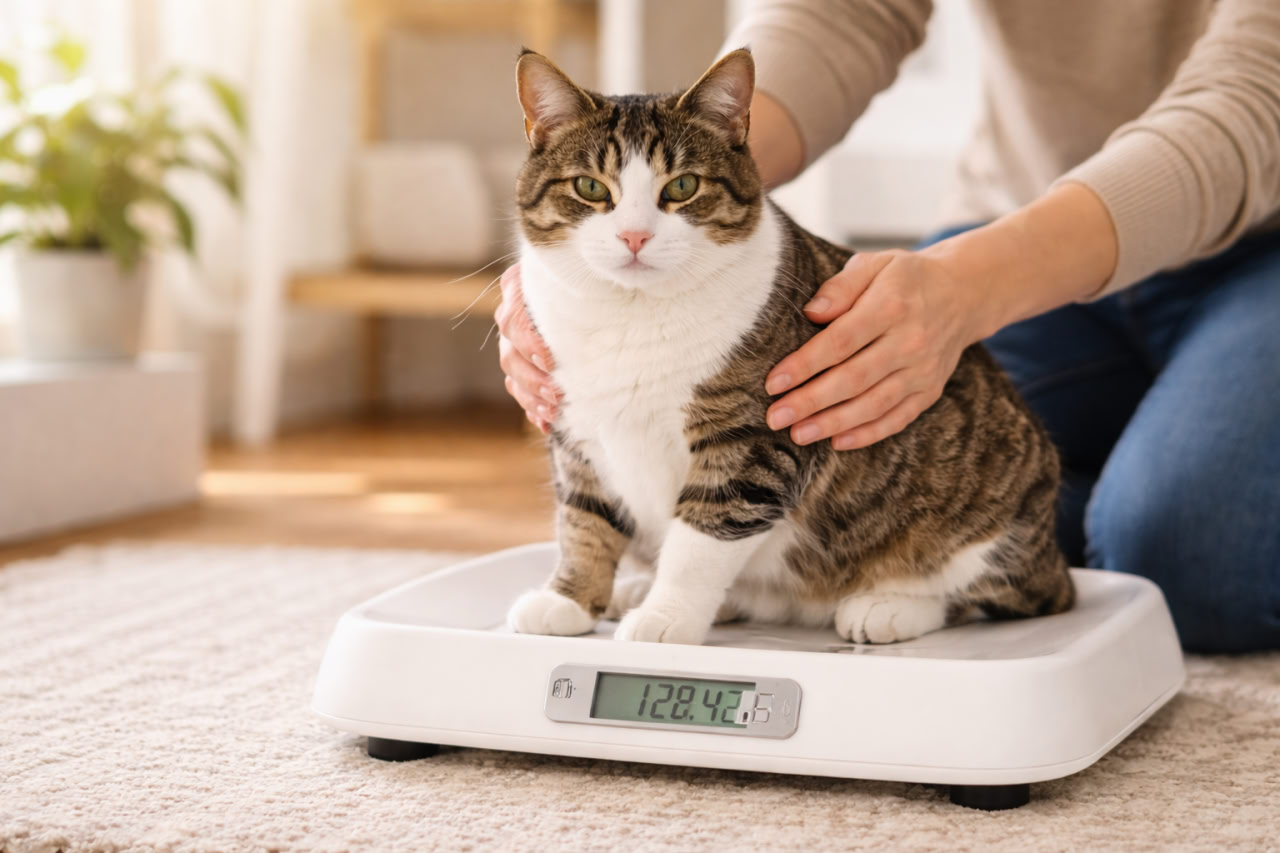
A weight-loss or weight-gain plan should start with an assessment of body condition, muscle, and the reason for the change. Simply feeding much less or more of the usual food may not be the right approach. If you are unsure about your cat’s condition, our guide to signs your cat may be overweight explains observations to discuss with your vet.
When health or life stage affects feeding
Growing puppies and kittens, pregnant or nursing animals, and pets with diagnosed conditions may need more specific dietary guidance. Recurring vomiting, diarrhoea, or appetite changes also deserve assessment before you assume an ingredient is responsible. Ask what the food needs to provide, which extras are suitable, and when to review the plan.
When you want to prepare meals at home
Choosing ingredients is only part of making a suitable diet. A qualified veterinary nutritionist can formulate a recipe and specify the supplements it requires. If you are deciding whether home cooking fits your household, compare homemade and commercial pet food before choosing an approach.
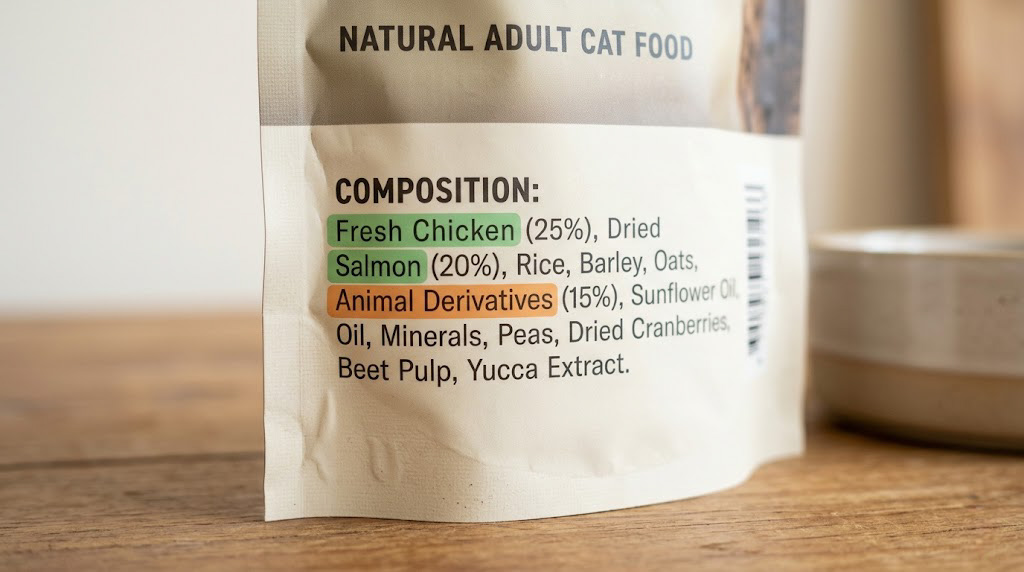
Bring your food record and current packaging to the consultation. Leave with clear instructions on what to feed, how much to offer, and what to monitor.
How to Use FAMMO’s Food Scanner in Your Feeding Plan
Understanding the food you already buy is a useful starting point. FAMMO’s food scanner can help you review it, while your pet’s profile provides context for personalised nutrition guidance.
1. Have the exact product ready
Keep the packaging beside you and follow the instructions on the scanner page. Check the recipe and life-stage description: products from the same brand can have different ingredients and calorie values.
2. Review the information against the label
Compare any product details shown in the result with your packaging. Look for information relevant to your plan, such as whether the food is complete, which animal it is intended for, and its calorie content. If a detail is missing or inconsistent, confirm it with the manufacturer before using it.
3. Consider the food alongside your pet’s needs
A product review is one part of the decision. In FAMMO, provide accurate profile details such as age, breed, weight, and neuter status to explore personalised guidance. Consider this alongside the portions, treats, and feeding record you prepared earlier.
4. Choose a clear next step
Use what you learn to identify what needs checking, for example, a missing calorie value or whether the food suits your pet’s life stage. Discuss medical dietary needs with your veterinarian before making changes.


Frequently Asked Questions About Personalized Pet Nutrition
Do I need to change my pet’s current food?
Not necessarily. First check whether it is complete, suitable for your pet’s life stage, and appropriate for any medical needs. Personalising the plan may involve adjusting portions or treats rather than changing brands.
Can a personalised feeding plan include both wet and dry food?
Yes, provided the combination meets your pet’s nutritional needs. Count the calories from both foods within one daily allowance. Changing the proportions means recalculating the amounts, not simply adding wet food to the usual dry portion.
Does personalised nutrition have to cost more?
Costs depend on the food, tools, and professional support you choose. You can start by recording meals and weighing an appropriate ready-made food. A custom recipe or subscription is optional.
When should I review the feeding plan?
Review it when your pet changes food, moves to a different life stage, or has a meaningful change in weight, activity, or health. Keep the follow-up schedule agreed with your veterinary team rather than changing portions after every small daily fluctuation.
Start With One Clear Feeding Plan
Turn what you have learned into a short written plan: the exact food, daily amount, treats, and review date. Keep it somewhere everyone who feeds your pet can check.
FAMMO can help you take the next step by providing personalised nutrition guidance based on details such as your dog’s or cat’s age, breed, weight, and neuter status. Keep those details current and use the guidance alongside your feeding record and your veterinarian’s advice.