
The Ultimate Guide to Choosing Healthy Dog Food by Breed, Weight & Age
Table of Contents
- Why Dog Nutrition Matters
- Understanding Canine Nutritional Needs
- Choosing Food by Age
- Choosing Food by Breed
- Choosing Food by Weight and Activity Level
- Reading Dog Food Labels
- Common Feeding Mistakes
- Conclusion & Key Takeaways
- FAQs
Why Dog Nutrition Matters
Good nutrition is the foundation of your dog’s overall health, energy, and happiness. Each dog has different needs based on size, age, and activity. Feeding your dog correctly helps prevent obesity, joint issues, allergies, and digestive problems.

Understanding Canine Nutritional Needs
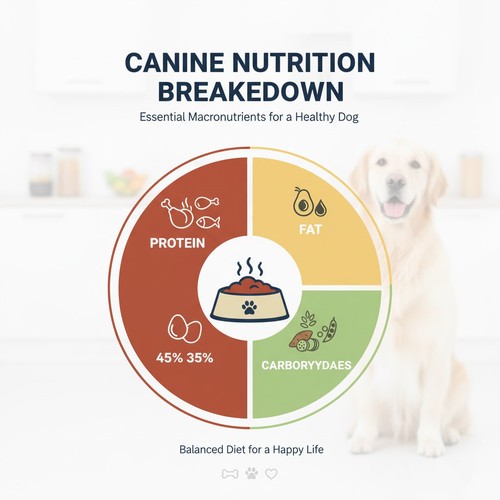
Dogs are omnivores, requiring a balanced combination of protein, fat, carbohydrates, vitamins, and minerals.
Essential Nutrients:
- Protein: Builds muscles and supports immunity
- Fat: Provides energy and keeps the coat shiny
- Carbs: Source of fiber and quick energy
- Vitamins & Minerals: Essential for metabolism and strong bones
For accurate guidelines, refer to the Association of American Feed Control Officials (AAFCO) standards.
(Reference: AAFCO Dog Food Nutrient Profiles)
Choosing Food by Age
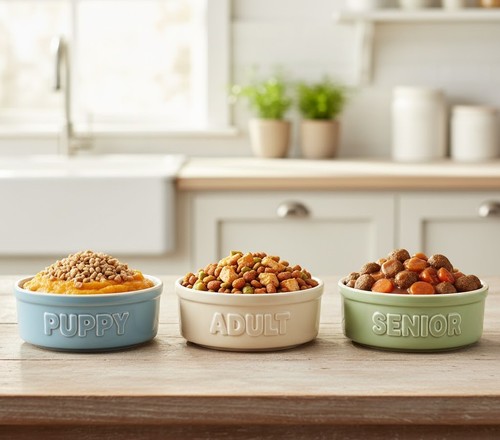
1. Puppies (0–12 months)
Puppies need high-protein, high-calorie foods rich in DHA for brain development and calcium for bones. Look for “growth” or “puppy formula” labels.
2. Adult Dogs (1–7 years)
Adult dogs require maintenance diets with moderate calories and balanced nutrients. Choose food designed for your dog’s activity level (active vs. indoor dogs).
3. Senior Dogs (7+ years)
Older dogs benefit from low-fat, high-fiber diets enriched with glucosamine, omega-3, and antioxidants to support joints and heart health.
Choosing Food by Breed
Different breeds have distinct nutritional needs:
- Labrador Retrievers: Prone to obesity; need controlled-calorie diets.
- German Shepherds: Require joint-supportive nutrients and easy-to-digest proteins.
- Bulldogs: Sensitive digestion — choose limited-ingredient or grain-free formulas.
- Poodles & Shih Tzus: Benefit from omega-rich foods for skin and coat.
- Chihuahuas: Small-kibble, calorie-dense diets suit their fast metabolism.

Choosing Food by Weight and Activity Level
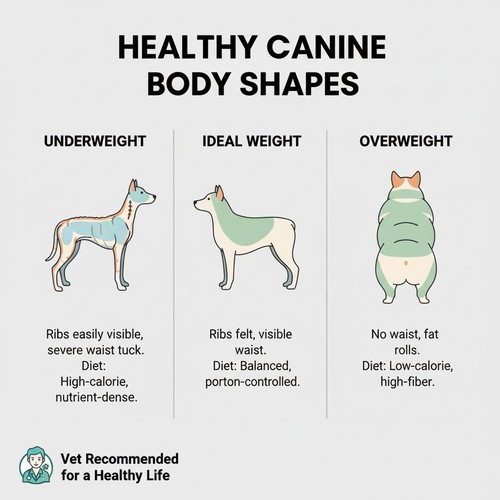
A dog’s weight and activity influence its dietary needs:
| Weight/Activity Level | Suggested Diet Type | Feeding Tips |
|---|---|---|
| Underweight | High-calorie and protein-rich diet | Feed smaller, more frequent meals |
| Ideal Weight | Balanced maintenance formula | Stick to consistent feeding times |
| Overweight | Low-fat, high-fiber weight-control food | Add more walks and playtime |
Monitor your dog’s Body Condition Score (BCS) regularly to maintain an ideal shape.
Reading Dog Food Labels
When buying dog food, look for:
- First ingredient: Should be real meat (chicken, beef, salmon)
- AAFCO statement: Ensures complete and balanced nutrition
- Guaranteed analysis: Lists protein, fat, fiber, and moisture
- Avoid foods with artificial colors, by-products, and fillers
For deeper understanding, check PetMD Dog Nutrition Guide.
Common Feeding Mistakes
- Overfeeding or free-feeding throughout the day
- Ignoring portion guidelines
- Feeding only one type (dry or wet) without variety
- Giving excessive human food or treats
- Not adjusting portions with age or activity changes
Transition to new foods gradually over 7–10 days to avoid digestive upset.
Conclusion & Key Takeaways
Every dog is unique — their food should be too.
Choosing the right diet ensures:
- Healthy weight
- Shiny coat
- Strong bones and muscles
- Better digestion and longer life
💡 Pro Tip: Always consult your vet before switching diets, especially for dogs with allergies or chronic conditions.
FAQs
1. How many times a day should I feed my dog?
Puppies: 3–4 times daily. Adults: 2 meals per day.
2. Should I choose dry or wet food?
Both have benefits — dry food supports dental health, while wet food boosts hydration.
3. Can dogs eat homemade meals?
Only under veterinary guidance to ensure nutritional balance.
4. What’s the best food for active dogs?
High-protein, energy-dense formulas with healthy fats.
5. How can I tell if my dog’s food is healthy?
Look for whole meat ingredients, no fillers, and AAFCO certification.
🐾 Summary Box
- Choose food based on age, breed, and weight
- Look for AAFCO-approved labels
- Avoid artificial fillers and sudden diet changes
- Hydration and portion control are key