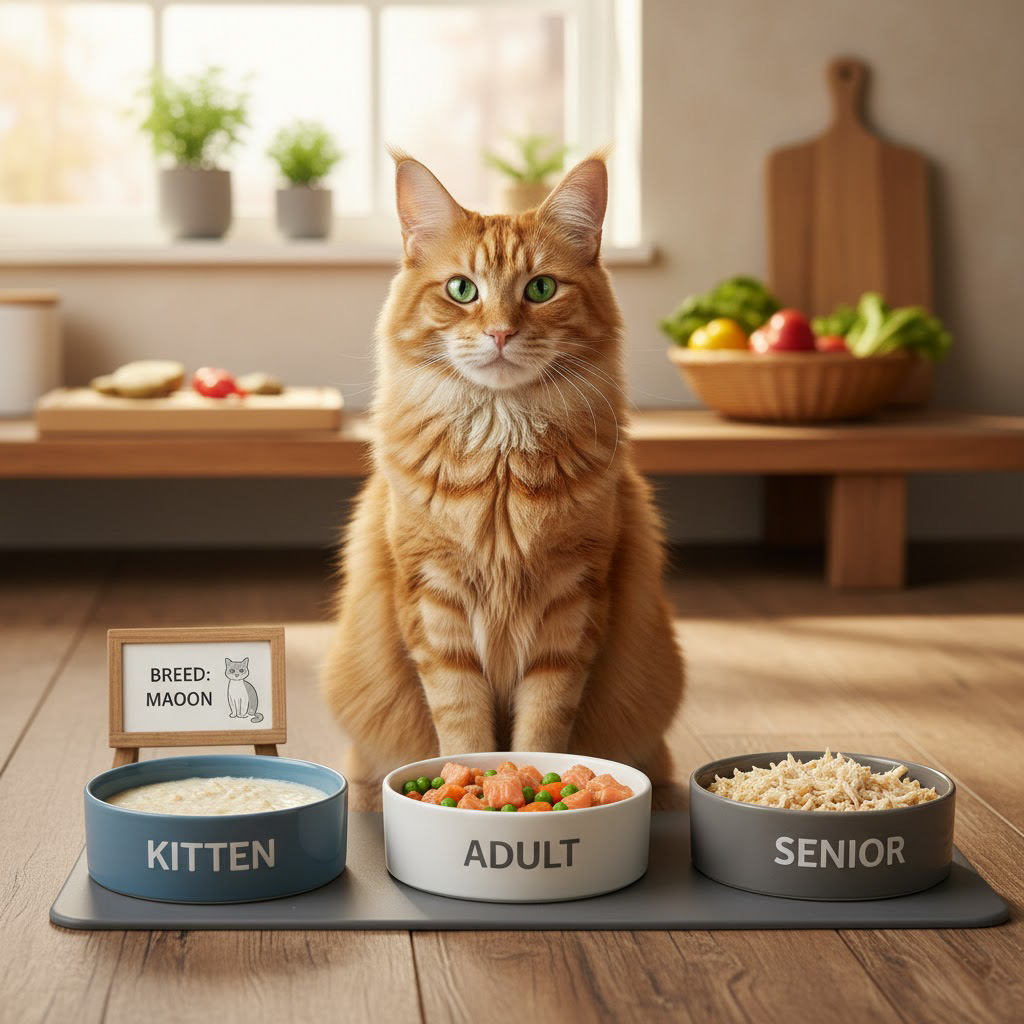
The Ultimate Guide to Choosing Healthy Cat Food by Breed, Weight & Age
Table of Contents
- Why Your Cat’s Nutrition Matters
- Understanding Cat Nutritional Needs
- Choosing Food by Age
- Choosing Food by Breed
- Choosing Food by Weight and Activity Level
- How to Read Cat Food Labels
- Common Mistakes to Avoid
- Conclusion & Key Takeaways
- FAQs
Why Your Cat’s Nutrition Matters
Proper nutrition is the cornerstone of your cat’s long, healthy, and playful life. Cats are obligate carnivores, meaning they rely heavily on proteins and essential amino acids like taurine, which can only be sourced from animal-based foods.

Understanding Cat Nutritional Needs
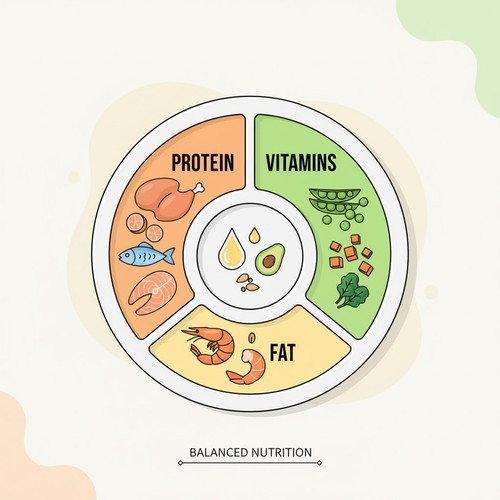
A balanced cat diet should include:
- Protein: Supports muscles, skin, and fur.
- Fat: Provides energy and helps absorb vitamins.
- Carbohydrates: Limited amounts for fiber and digestion.
- Vitamins & Minerals: Crucial for immunity and bone health.
According to the American Association of Feed Control Officials (AAFCO), high-quality cat food should meet specific nutritional profiles depending on life stage — kitten, adult, or senior.
(Reference: AAFCO Cat Food Nutrient Profiles)
Choosing Food by Age
1. Kittens (0–12 months)
Kittens require high-protein and high-fat diets to support rapid growth and development. Choose foods labeled “for kittens” or “growth formula.”
2. Adult Cats (1–7 years)
Focus on maintenance diets with balanced nutrients and moderate calories. Look for formulas that support healthy coats and digestion.
3. Senior Cats (7+ years)
Older cats need lower-fat, joint-supportive, and easy-to-digest diets. Consider foods fortified with omega-3, glucosamine, and antioxidants.

Choosing Food by Breed
Each cat breed has unique dietary tendencies:
- Persian Cats: Benefit from foods with omega-3 for skin and coat health.
- Siamese Cats: Need high-protein, low-fat formulas to maintain lean muscles.
- Maine Coons: Require calorie-dense diets to support their large size.
- British Shorthairs: Prone to obesity — choose weight-control formulas.

Choosing Food by Weight and Activity Level
A cat’s energy needs vary based on body size and activity:
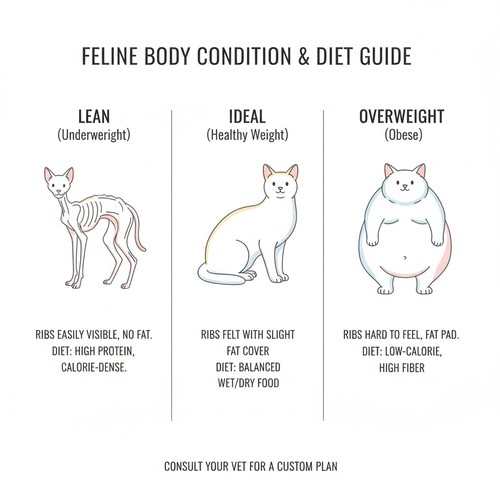
| Weight Category | Suggested Diet Type | Tips |
|---|---|---|
| Underweight | High-calorie wet food | Feed smaller, frequent meals |
| Ideal Weight | Balanced formula | Maintain routine feeding times |
| Overweight | Low-fat, high-fiber diet | Encourage play and daily exercise |
Check your cat’s Body Condition Score (BCS) regularly to ensure a healthy weight range.
How to Read Cat Food Labels
When selecting food, check:
- Ingredients list: Animal protein should be first.
- Guaranteed analysis: Lists protein, fat, fiber, and moisture percentages.
- AAFCO statement: Ensures the food meets nutritional standards.
Avoid products with excessive fillers, artificial colors, or preservatives.
(Source: PetMD Nutrition Guide)
Common Mistakes to Avoid
- Feeding only dry food without hydration.
- Switching diets too fast.
- Ignoring age-appropriate formulas.
- Overfeeding treats or table scraps.
Gradually transition any new food over 7–10 days to prevent digestive issues.
Conclusion & Key Takeaways
Choosing the right food for your cat means understanding their unique age, breed, and lifestyle. Balanced nutrition supports:
- Strong immunity
- Shiny coat
- Healthy weight
- Longer lifespan
💡 Tip: Consult your vet before changing your cat’s diet, especially if your pet has allergies or chronic conditions.
FAQs
1. How often should I feed my cat?
Most adult cats thrive on two meals per day. Kittens may need 3–4 smaller meals.
2. Is wet food better than dry food?
Wet food helps with hydration and digestion, but a mixed diet can provide balance.
3. Can I feed homemade food to my cat?
Only under veterinary supervision — cats need precise nutrients that homemade meals often lack.
4. What’s the best cat food for weight loss?
Look for “weight management” formulas high in fiber and protein, but low in fat.
5. Should I change my cat’s food with age?
Yes, because nutritional needs shift from growth to maintenance to senior care.
🐾 Summary Box
- Tailor your cat’s food by age, breed, and weight
- Always check AAFCO-approved labels
- Avoid fillers, artificial additives, and sudden diet changes
- Prioritize hydration and regular vet visits