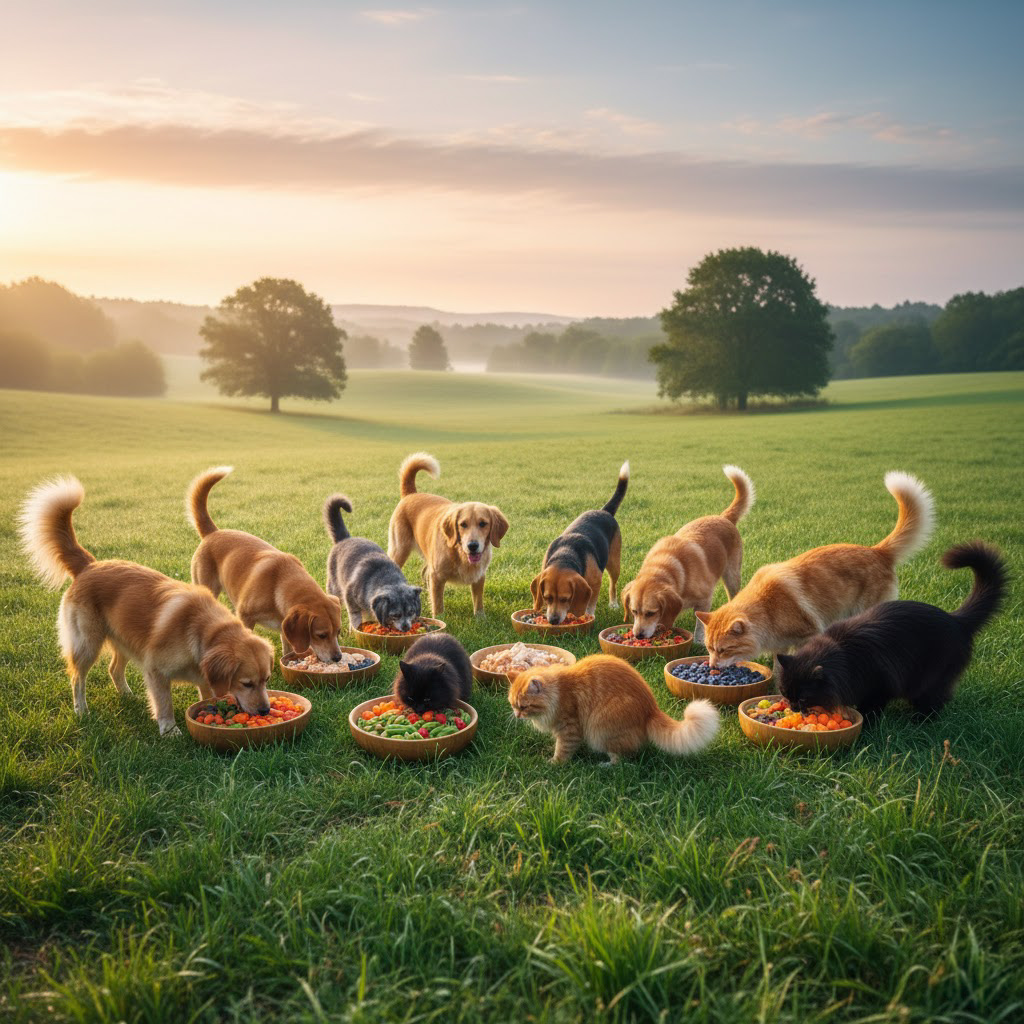
How Natural Pet Feeding Helps the Environment
As more pet owners shift toward natural and holistic lifestyles, the way we feed our pets is evolving too. Beyond health benefits for dogs and cats, natural feeding practices can significantly reduce our environmental footprint. From lowering carbon emissions to minimizing packaging waste, eco-friendly nutrition choices create a meaningful impact on the planet.
Table of Contents
- The Environmental Footprint of Conventional Pet Food
- How Natural Feeding Reduces Resource Use
- Eco-Friendly Ingredients and Their Global Impact
- Sustainable Pet Feeding Practices You Can Start Today
- Final Thoughts
- FAQ
The Environmental Footprint of Conventional Pet Food
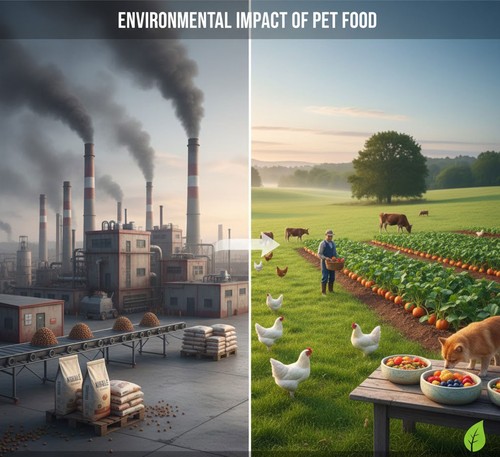
Commercial pet food production contributes to land use, water consumption, transportation emissions, and mass packaging waste. Highly processed kibble often requires energy-intensive manufacturing and relies on industrial farming systems that place significant strain on ecosystems.
Switching to a natural feeding approach—featuring whole foods, raw ingredients, and minimally processed meals—can help reduce this burden. Natural foods often come from smaller-scale sources, require fewer steps to produce, and can be tailored to reduce waste dramatically.
How Natural Feeding Reduces Resource Use
Choosing natural ingredients for pets can directly cut down environmental impact in several ways:
1. Less Processing = Lower Emissions
Processing requires electricity, machinery, packaging lines, and chemical additives. Natural diets typically skip these stages, minimizing energy consumption.
2. Local Sourcing Shrinks Carbon Footprints
Natural feeding often encourages buying fresh ingredients from local farms or markets. Shorter transportation routes mean fewer emissions.
3. Reduced Need for Single-Use Packaging
While dry kibble bags may seem convenient, they are often non-recyclable. Natural feeding allows bulk buying, reusable containers, and fresh ingredients that need little to no packaging.
Eco-Friendly Ingredients and Their Global Impact
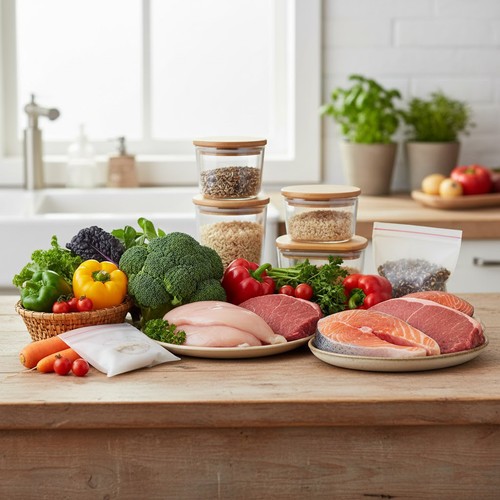
Many natural pet diets are built around eco-friendly ingredient choices—human-grade meats, seasonal vegetables, and sustainable proteins like fish from responsible fisheries. These ingredients support biodiversity and reduce reliance on industrial agriculture.
Choosing plant-rich supplements or rotating protein sources can also ease pressure on farms and fisheries.
Sustainable Pet Feeding Practices You Can Start Today
Adopting an environmentally conscious feeding approach doesn’t require drastic changes. Even small steps can make a noticeable difference.
✔ Choose sustainably sourced proteins
Look for ethical producers or buy from local farms.
✔ Buy in bulk and store efficiently
Reduce plastic waste by purchasing larger quantities and using reusable containers.
✔ Compost leftovers when safe
Vegetable scraps and biodegradable materials can turn into nutrient-rich soil.
✔ Reduce food waste with proper portioning
Accurate meal planning keeps pets healthy and minimizes leftovers.
External References
- American Veterinary Medical Association – Sustainable Pet Feeding Insights
- World Wildlife Fund – Sustainable Agriculture and Protein Sourcing
- Pet Sustainability Coalition – Environmental Impact of Pet Food
Summary Box
Natural feeding helps the environment by:
- Reducing processing-related emissions
- Supporting responsible farming
- Cutting down on plastic and packaging waste
- Encouraging local and sustainable ingredient choices
- Minimizing resource-heavy industrial production
FAQ
1. Is natural feeding always more eco-friendly?
Not always, but it can be when ingredients are locally sourced and minimally processed.
2. Does a raw diet have a smaller carbon footprint?
It depends on the protein source. Ethical and sustainable meat options make the biggest difference.
3. Can homemade pet food reduce waste?
Yes—using bulk ingredients and reusable containers sharply lowers packaging waste.
4. Are plant-based options good for the environment?
Plant-based additions can reduce pressure on meat production, but always ensure nutritional balance for your pet.
5. Is natural feeding more expensive?
It can vary. Strategic sourcing, batch prep, and seasonal ingredients often make it cost-effective.
Conclusion
Natural feeding doesn’t just promote healthier pets—it supports a healthier planet. By choosing sustainable ingredients, minimizing waste, and simplifying food processing, pet owners make meaningful contributions to environmental conservation. Every bowl makes a difference.