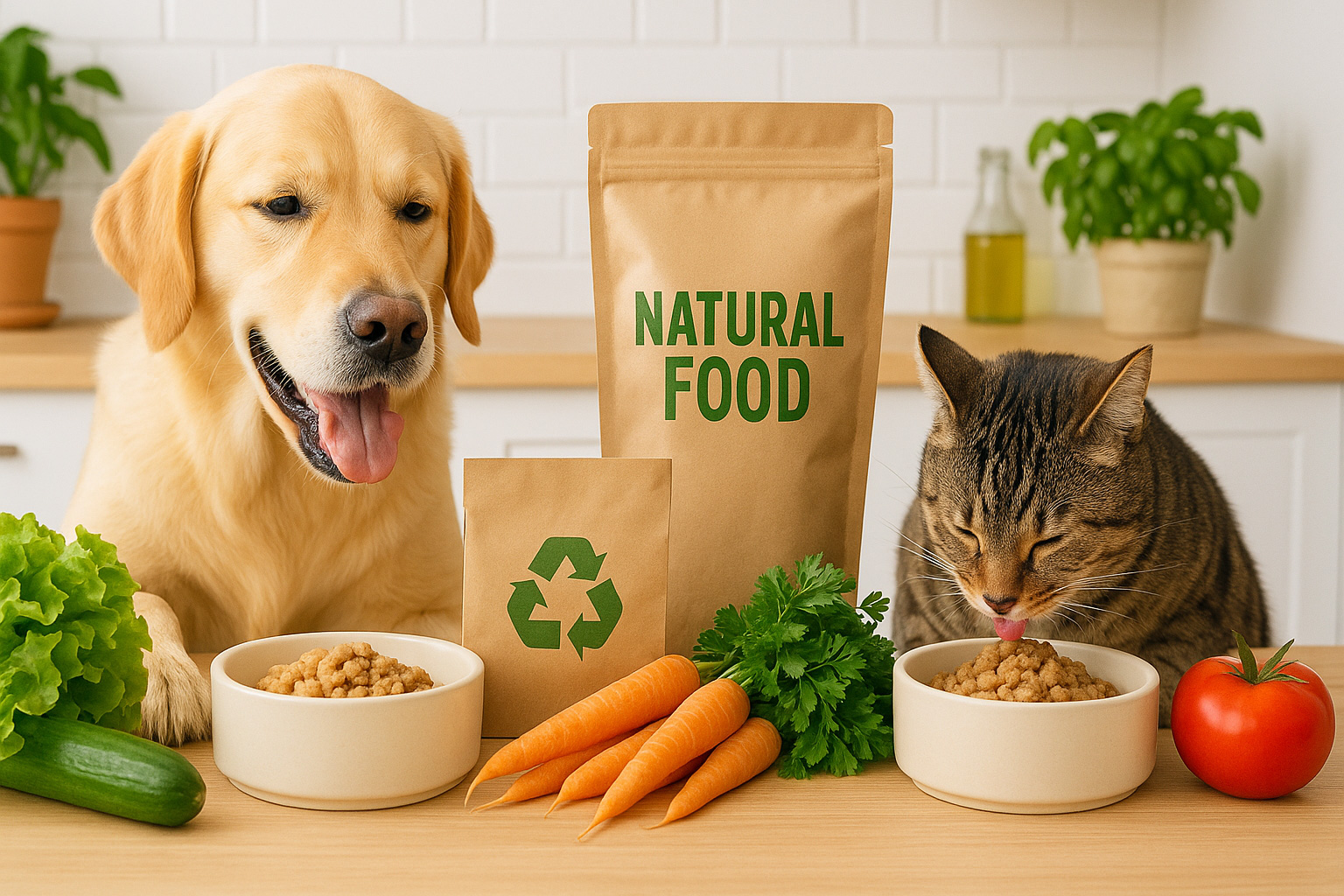
Natural Nutrition & Organic Pet Products: A Health Revolution for Pets and the Planet
Table of Contents
- Introduction
- The Rise of Natural Pet Nutrition
- Why Organic Pet Food Matters
- Environmental Benefits of Going Organic
- Sustainable Pet Care Beyond Food
- Challenges and Misconceptions
- How to Choose Genuine Organic Pet Products
- Conclusion & Call to Action
- FAQs
- Key Takeaways
Introduction
The global shift toward natural nutrition is transforming not just human diets but also the way we care for our pets. Conscious pet owners are now questioning artificial additives, preservatives, and the environmental impact of mass-produced pet food.
According to American Pet Products Association, over 40% of pet owners in the U.S. now seek “natural” or “organic” labels. But what exactly makes a pet product truly organic, and how does it affect both your animal’s well-being and our planet?

The Rise of Natural Pet Nutrition
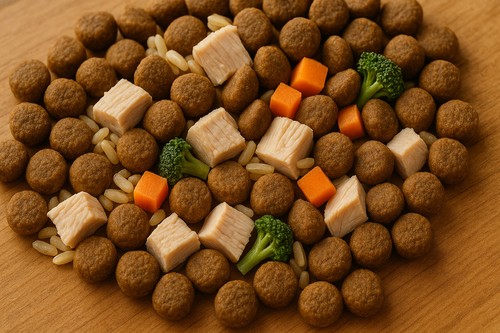
Natural nutrition emphasizes whole ingredients, minimal processing, and nutrient preservation. Pets fed with such diets tend to have:
- Shinier coats
- Stronger immune systems
- Better digestion
- Fewer allergies
Scientific studies, such as those from the Journal of Animal Science, show that diets rich in natural proteins and omega fatty acids improve metabolism and longevity.
Why Organic Pet Food Matters
Organic food for pets eliminates harmful chemicals such as pesticides, GMOs, and synthetic additives. Certified organic products guarantee:
- Ethical sourcing
- Non-toxic farming
- No antibiotics or artificial hormones
These standards help prevent chronic diseases caused by chemical accumulation and promote long-term vitality in pets.
PetMD highlights that organic-fed pets exhibit improved energy levels and healthier digestion compared to those consuming conventional foods.
Environmental Benefits of Going Organic
Choosing organic pet products supports sustainable agriculture and reduces carbon footprint. Organic farms:
- Use natural fertilizers
- Avoid harmful pesticides
- Conserve water and biodiversity
By feeding your pet organically, you’re supporting eco-friendly production that minimizes pollution and habitat loss.
Sustainable Pet Care Beyond Food
Natural pet care extends beyond nutrition — it includes:
- Biodegradable poop bags
- Eco-friendly grooming products
- Recyclable toys and packaging
These small choices create a big impact on reducing landfill waste and plastic pollution.
Challenges and Misconceptions
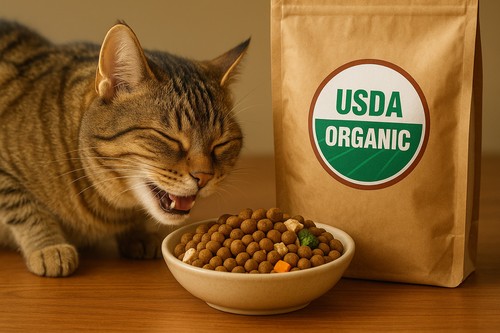
Despite the growing trend, “organic” is sometimes misused for marketing. Look for certifications like:
- USDA Organic
- EU Organic
- Non-GMO Project
Beware of vague labels such as “natural-flavored” or “eco-style,” which often lack real sustainability standards.
How to Choose Genuine Organic Pet Products
To ensure authenticity:
1. Read ingredient lists carefully.
2. Verify organic certification.
3. Support brands with transparent supply chains.
4. Prefer local producers to reduce shipping emissions.
By doing so, you protect both your pet’s health and the Earth’s well-being.
Conclusion & Call to Action
The movement toward natural and organic pet products is more than a trend — it’s a responsibility. Every purchase is a vote for a cleaner planet and a healthier life for your furry friend.
👉 Ready to switch? Start by choosing one organic product today — whether food, toy, or shampoo — and experience the difference.
FAQs
Q1: Is organic pet food suitable for all breeds?
Yes, but nutritional needs vary. Always consult a veterinarian before switching diets.
Q2: How can I tell if a product is truly organic?
Check for trusted certifications like USDA Organic or ECOCERT.
Q3: Are organic pet products more expensive?
Slightly — but they often reduce vet bills in the long term.
Q4: Do organic farms really help the environment?
Yes, they preserve soil quality, reduce pollution, and protect wildlife habitats.
Q5: What’s the best way to start an eco-friendly pet routine?
Begin with small steps — organic treats, bamboo grooming tools, and recyclable packaging.
Key Takeaways
- Natural nutrition enhances pet health and longevity.
- Organic products reduce toxins and promote sustainability.
- Conscious choices protect both animals and the planet.
- Verified certifications ensure genuine organic quality.
- Small lifestyle changes can drive big environmental impact.