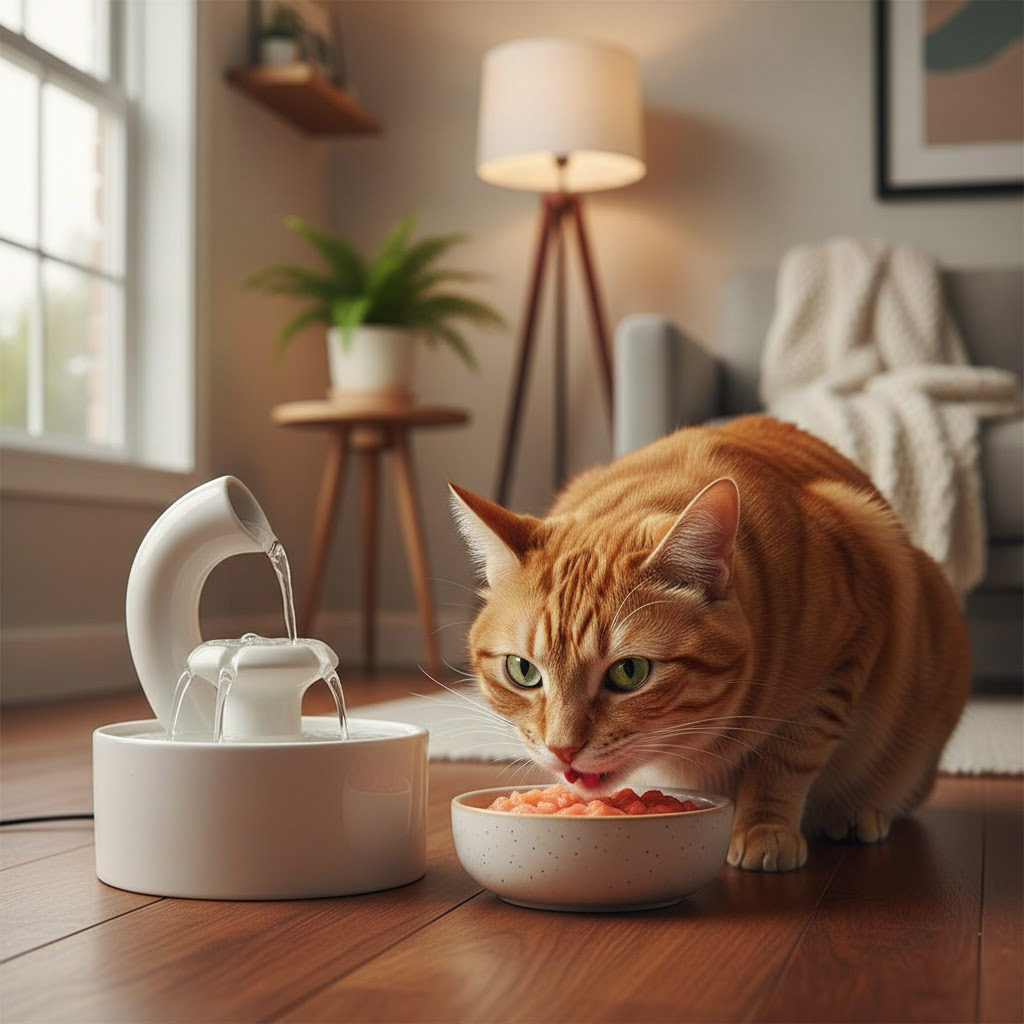
How Proper Nutrition Can Prevent Kidney Disease in Cats
Cats are mysterious, graceful creatures — and like all living beings, their health depends heavily on what they eat. One of the most common yet preventable health issues in cats is kidney disease. But did you know that the right nutrition can significantly reduce your cat’s risk?
🧭 Table of Contents
- Understanding Kidney Disease in Cats
- Why Nutrition Matters for Kidney Health
- Best Nutrients for Feline Kidney Protection
- Hydration: The Forgotten Key to Kidney Health
- Dry vs. Wet Food: Which Is Better?
- Creating a Kidney-Friendly Diet Plan
- Conclusion: Feed for Longevity
- FAQs
Understanding Kidney Disease in Cats
Chronic kidney disease (CKD) is one of the most common ailments in older cats. It occurs when the kidneys lose their ability to filter toxins and balance fluids in the body. According to the American Veterinary Medical Association (AVMA), CKD affects nearly one-third of cats over the age of 10.
Common symptoms include:
- Increased thirst and urination
- Weight loss
- Lethargy
- Poor appetite
- Vomiting or bad breath
Why Nutrition Matters for Kidney Health
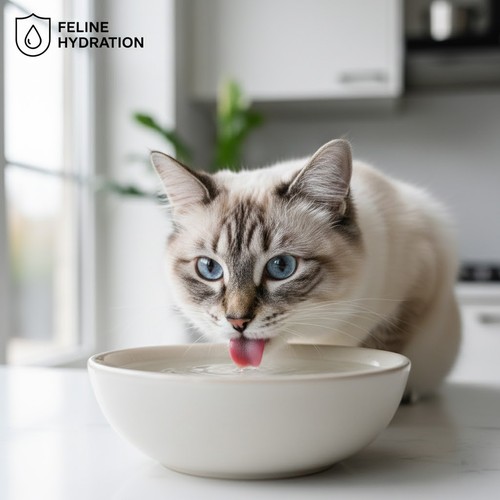
Kidneys are responsible for filtering waste from the bloodstream. When they’re overworked by poor-quality food or dehydration, damage can occur over time. A diet rich in high-quality proteins, balanced minerals, and hydration can ease this burden.
According to Cornell Feline Health Center, nutrition is one of the most important factors in slowing CKD progression.
Best Nutrients for Feline Kidney Protection
Here are key nutrients that support your cat’s kidney health:
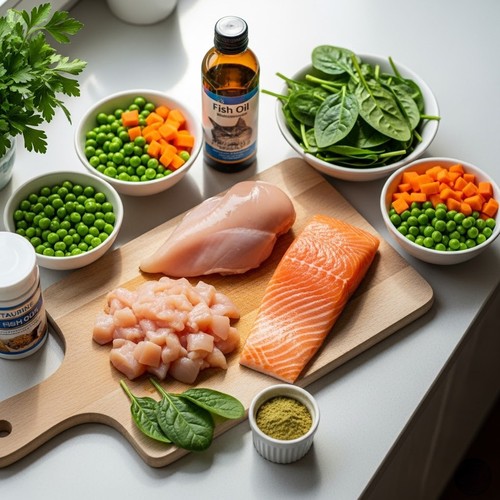
- High-quality, easily digestible protein (e.g., chicken, turkey, fish)
- Low phosphorus levels to prevent kidney strain
- Omega-3 fatty acids to reduce inflammation
- Antioxidants like vitamin E and C for cellular protection
- B-complex vitamins to replace those lost through urination
Hydration: The Forgotten Key to Kidney Health
Cats naturally drink less water than dogs because their ancestors were desert animals. However, dehydration is one of the biggest threats to kidney function.
To encourage better hydration:
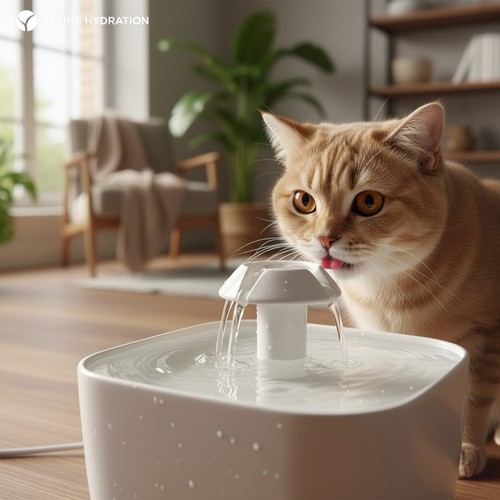
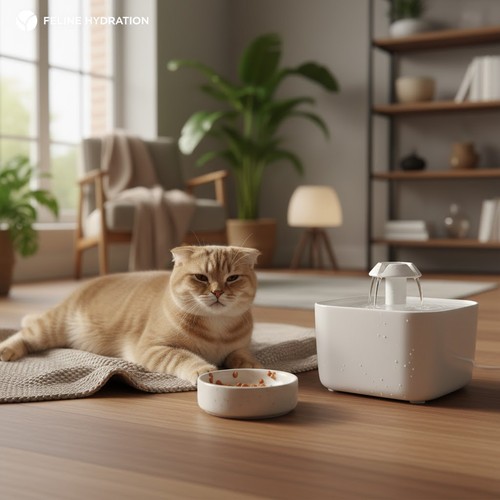
- Offer a water fountain (cats love running water)
- Mix wet food into their diet
- Add broth or tuna water (without salt) for flavor
- Keep multiple water stations around the house
Dry vs. Wet Food: Which Is Better?
While dry kibble is convenient, it often contains only 10% moisture. Wet food provides about 70–80% moisture, making it far better for kidney support.
A combination of both can work, but ensure wet food dominates the menu — especially for senior cats.
Creating a Kidney-Friendly Diet Plan
If your cat is at risk or already showing early signs of kidney issues, work with your vet to design a diet that includes:
- Low-phosphorus food
- Moderate protein
- High moisture content
- Omega-3 supplements
- Regular bloodwork and hydration checks
Conclusion: Feed for Longevity
Proper feline nutrition isn’t just about maintaining a shiny coat — it’s about extending your cat’s life. With the right balance of nutrients, hydration, and vet care, you can help your cat avoid kidney problems altogether.
So next time you fill their bowl, remember: what you feed today shapes their tomorrow.
FAQs
1. What foods help prevent kidney disease in cats?
High-quality proteins, low phosphorus foods, and omega-3-rich ingredients are best.
2. Can dry food cause kidney disease?
Not directly, but it can lead to dehydration if cats don’t drink enough water.
3. How much water should my cat drink daily?
Roughly 60–80 ml per kilogram of body weight, depending on diet and environment.
4. Are supplements good for kidney health?
Fish oil (omega-3) and B-complex vitamins can be beneficial — ask your vet first.
5. How often should I check my cat’s kidneys?
At least once a year, or more often for senior cats.
🧩 Key Takeaways
- Kidney disease is common but preventable
- Nutrition and hydration play a vital role
- Wet food supports kidney health better than dry food
- Regular vet checkups detect issues early
- A balanced, low-phosphorus diet ensures long-term health