
How Cats Get Along With Other Breeds
A Guide to Behavior, Interaction, and Training for Peaceful Living
Table of Contents
- Understanding Feline Social Behavior
- Do Cat Breeds Affect Compatibility?
- Preparing Your Home for Multi-Breed Cats
- Step-by-Step Introduction Process
- Training Techniques for Better Harmony
- Signs of Stress and How to Manage Them
- Recommended Products for Multi-Cat Homes
- Final Thoughts
- FAQs
1. Understanding Feline Social Behavior
Cats are often labeled as solitary animals, but this isn’t entirely true. Many cats can form strong social bonds, especially when their introductions and environment support positive interactions. Factors such as early socialization, temperament, past experiences, and territorial instincts play a major role.
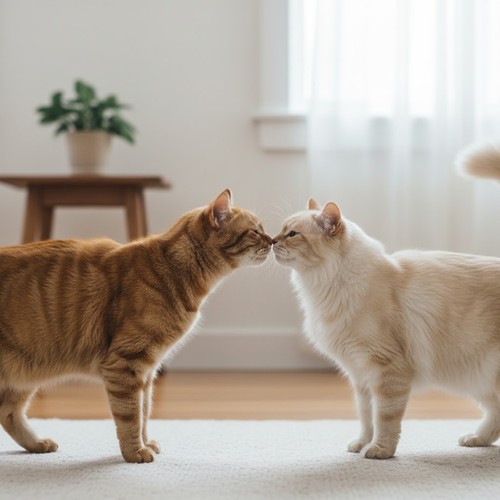
Unlike dogs, cats rely heavily on scent as their main form of social communication. When you bring multiple breeds together, scent swapping and gradual exposure help reduce tension and build familiarity.
2. Do Cat Breeds Affect Compatibility?
Breed traits can influence compatibility, though personality matters more. For instance:
- Ragdolls and British Shorthairs are often gentle and tolerant.
- Siamese and Abyssinians tend to be vocal, active, and may overwhelm calmer breeds.
- Maine Coons are friendly giants that adapt well to multi-cat homes.
- Persians prefer mellow environments and dislike chaotic households.
Mixed breeds vary widely, but their temperament is usually predictable by observing energy levels and sociability.
3. Preparing Your Home for Multi-Breed Cats
Preparation ensures a smoother introduction and reduces stress.
- Allocate separate territories at first.
- Provide multiple litter boxes (one per cat + one extra).
- Offer several feeding stations to avoid resource guarding.
- Create vertical spaces such as cat trees and shelves.

ALT: home setup optimized for cats of different breeds
These setups reduce competition and give each cat a sense of control.
4. Step-by-Step Introduction Process
A structured introduction prevents unnecessary stress. Follow this phased method:
Phase 1: Scent Swapping
Exchange bedding, toys, or use a soft cloth to gently rub one cat and present it to the other.
Phase 2: Controlled Visual Introductions
Use a baby gate, cracked door, or carrier to allow them to see each other safely.
Phase 3: Short Supervised Meetings
Keep early meetings brief. Use treats and toys to create positive associations.
Phase 4: Gradual Free Roaming Together
Increase unsupervised time only when both cats show calm, non-threatening behavior.
5. Training Techniques for Better Harmony
Training helps reduce conflicts and encourage good habits. Helpful strategies include:
- Clicker training to reward calm interactions.
- Redirection, not punishment, when tension rises.
- Group play sessions to burn energy and build social bonds.
- Routine feeding times to reduce anxiety.
6. Signs of Stress and How to Manage Them
Watch for early signs of conflict:
- Growling or hissing
- Hiding
- Over-grooming
- Blocked access to food or litter box
- Swatting or chasing
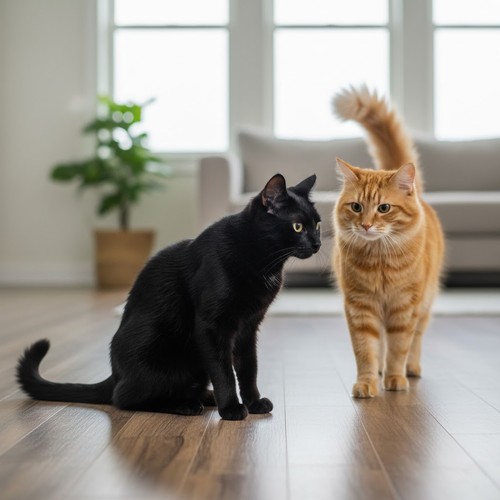
If stress escalates, separate the cats temporarily and restart earlier phases of the introduction.
7. Recommended Products for Multi-Cat Homes
- Feliway diffusers for calming pheromones
- Multiple scratching posts to minimize territorial marking
- Covered and open litter boxes for preference variety
- Puzzle feeders to lower food-related aggression
Helpful external resources:
- Cornell Feline Health Center
- International Cat Care
- American Association of Feline Practitioners (AAFP)
Summary
| Topic | Key Takeaways |
|---|---|
| Breed influence | Personality outweighs breed, but breed traits can guide expectations. |
| Environment | Multi-level spaces, separate resources, and scent swapping support harmony. |
| Training | Positive reinforcement encourages peaceful coexistence. |
| Stress signals | Early detection prevents escalating conflict. |
FAQs
1. Can any cat breed live with another breed?
Generally yes. Personality, not breed, is the biggest factor in compatibility.
2. How long does it take cats to get along?
Anywhere from a few days to several months depending on temperament and past experiences.
3. What if my cats keep fighting?
Pause introductions, separate them, and restart gradually. Persistent aggression may require a behaviorist.
4. Is mixing ages (kitten + adult) a good idea?
Yes, but kittens may overwhelm older cats. Supervision is essential.
5. Do neutered cats get along better?
Absolutely. Neutering reduces aggression, roaming instincts, and territorial behavior.
Final Thoughts
Cats of different breeds can live together peacefully with the right approach. By understanding their behavior, preparing your home, and using structured introductions, you can create a calm, harmonious environment where every feline thrives.