
Early Signs of Illness in Dogs and Cats You Should Never Ignore
Your pets can’t tell you when they’re feeling unwell — but their bodies and behaviors speak volumes. Recognizing subtle signs of illness early can make the difference between a quick recovery and a serious health crisis.
Table of Contents
- 1. Changes in Eating and Drinking Habits
- 2. Weight Loss or Gain
- 3. Lethargy or Unusual Tiredness
- 4. Behavioral Changes
- 5. Vomiting, Diarrhea, or Constipation
- 6. Breathing or Coughing Problems
- 7. Coat and Skin Issues
- 8. Changes in Eyes, Nose, or Ears
- 9. When to See a Veterinarian
- 10. Key Takeaways
- FAQs
1. Changes in Eating and Drinking Habits
When your dog or cat suddenly eats less, refuses food, or drinks excessively, it’s often the first warning sign something is wrong. Increased thirst can point to kidney disease, diabetes, or thyroid issues.

2. Weight Loss or Gain
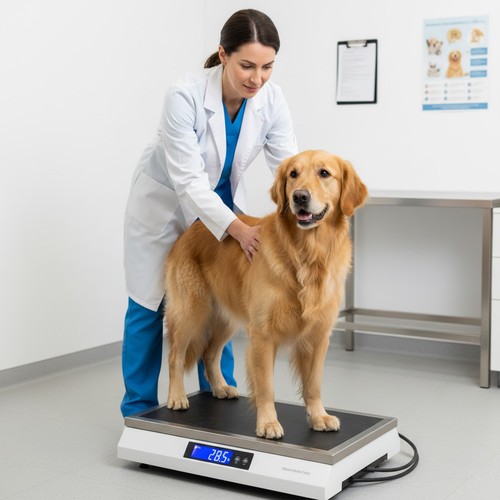
Unexplained weight loss might suggest internal problems such as parasites or metabolic disease. Sudden weight gain can be linked to thyroid disorders or reduced activity.
3. Lethargy or Unusual Tiredness
If your pet becomes unusually quiet or prefers to sleep all day, it might indicate pain, infection, or internal illness. Even mild fatigue lasting over two days deserves attention.

4. Behavioral Changes
Sudden aggression, hiding, or clinginess often reflect discomfort or fear. In cats, avoiding the litter box can also be a sign of urinary problems or stress.
External source: ASPCA on Behavioral Health
5. Vomiting, Diarrhea, or Constipation
Occasional digestive upset is normal, but frequent vomiting or diarrhea signals deeper problems — from infections to food allergies or organ dysfunction.
6. Breathing or Coughing Problems
Persistent coughing, wheezing, or labored breathing may suggest heart disease, respiratory infection, or allergies. Seek immediate veterinary care if your pet struggles to breathe.
7. Coat and Skin Issues
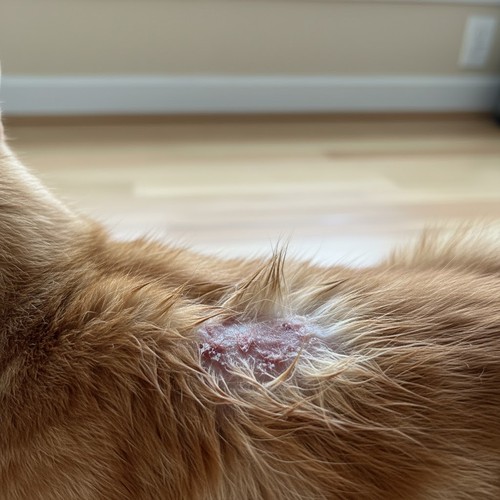
Dull fur, bald patches, or excessive scratching can indicate allergies, parasites, or nutritional deficiencies. Cats that stop grooming themselves may also be unwell.
8. Changes in Eyes, Nose, or Ears
Cloudy eyes, discharge, or excessive tearing can signal infections or injury. A runny nose or bad ear odor also requires prompt care.
9. When to See a Veterinarian
If symptoms persist beyond 24–48 hours, always contact your vet. Early intervention prevents complications and ensures your pet stays healthy longer.
External source: American Veterinary Medical Association
10. Key Takeaways
- Early detection saves lives.
- Track changes in behavior, appetite, and appearance.
- Routine vet visits ensure long-term wellness.
- Never ignore your instincts — you know your pet best.
Conclusion
Your dog or cat depends on you to recognize when something’s wrong. By watching for subtle changes and acting early, you can protect their health and happiness for years to come.
Call to Action:
Stay informed and proactive — read more expert pet care guides at Fammo Blog.
FAQs
1. How often should I take my pet for a health check?
At least once a year for healthy adults, and every six months for seniors or pets with chronic issues.
2. My cat stopped eating suddenly — what should I do?
Visit your vet immediately. Cats that refuse food for more than 24 hours risk liver damage.
3. Can behavioral changes really mean illness?
Yes. Many illnesses cause discomfort or anxiety that shows through behavior changes.
4. What are the most overlooked early signs of illness?
Bad breath, mild lethargy, and increased thirst are often missed but highly significant.
🩺 Summary Box
Early signs of illness in dogs and cats often go unnoticed until it’s too late. Monitor eating habits, energy levels, and behavior daily — your attention could save your pet’s life.