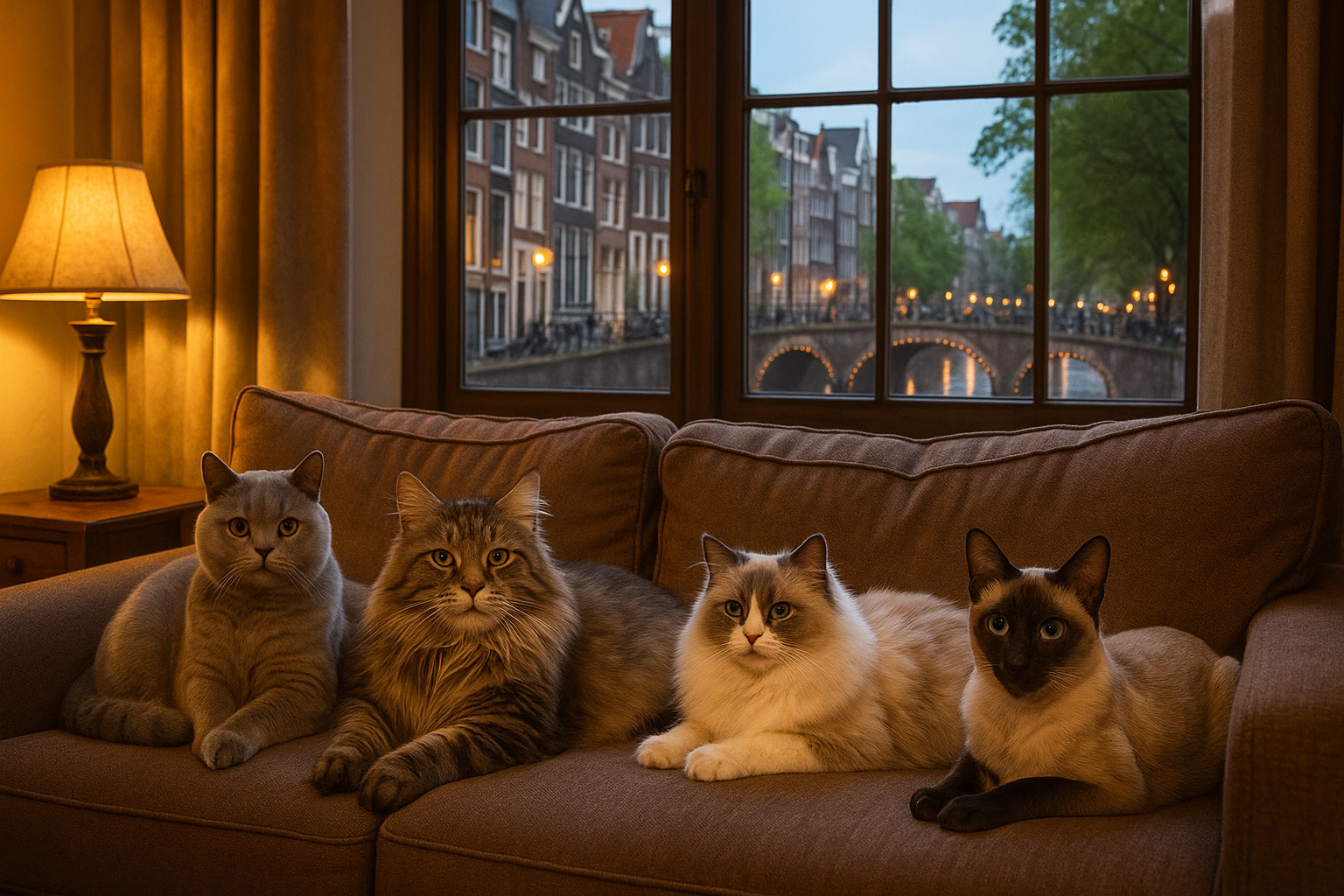
Comparing Popular Cat Breeds in the Netherlands: Nutrition, Behavior, and Health
Table of Contents
- Introduction
- Top Cat Breeds in the Netherlands
- British Shorthair
- Maine Coon
- Ragdoll
- Siamese
- Nutrition Needs by Breed
- Behavioral Traits and Personality
- Common Health Concerns
- How to Choose the Right Cat for You
- Conclusion
- FAQs
- Key Takeaways
Introduction
Cats hold a special place in Dutch households, blending seamlessly with the Netherlands’ pet-friendly culture. From compact apartments in Amsterdam to countryside homes in Friesland, cat owners cherish their feline friends for their companionship and low-maintenance charm.
In this guide, we’ll explore the most popular cat breeds in the Netherlands — comparing their nutrition, behavior, and health to help you make an informed choice for your next furry family member.
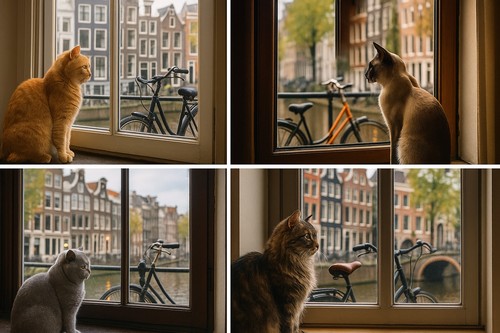
Top Cat Breeds in the Netherlands
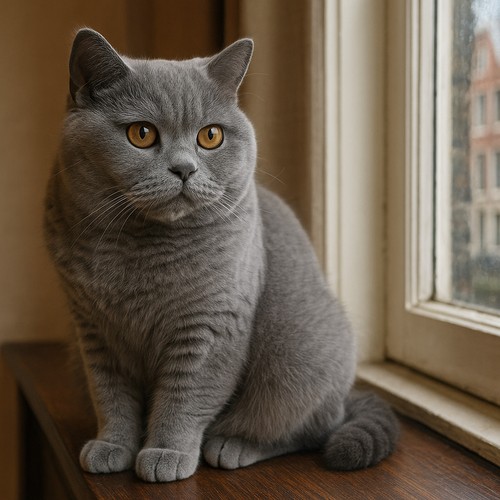
British Shorthair
Known for its calm demeanor and round, plush appearance, the British Shorthair is one of the Netherlands’ favorite indoor breeds. They adapt well to smaller living spaces and are ideal for families or individuals seeking a gentle, affectionate companion.
Nutrition: This breed tends to gain weight easily. A balanced diet with lean proteins and portion control is key.
Behavior: Calm, independent, and loving — though not overly clingy.
Health: Prone to obesity and hypertrophic cardiomyopathy (HCM). Regular vet checks are essential.
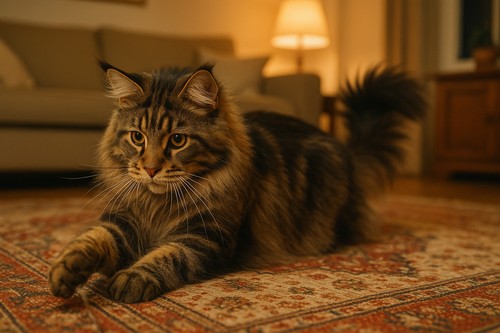
Maine Coon
The Maine Coon, affectionately known as the “gentle giant,” has gained popularity among Dutch families for its sociable nature and playful personality. Despite its large size, this breed is affectionate and great with children.
Nutrition: Requires a high-protein diet with omega-3 fatty acids to maintain its long, thick coat.
Behavior: Friendly, curious, and intelligent.
Health: Susceptible to hip dysplasia and HCM — choose a reputable breeder.
Ragdoll
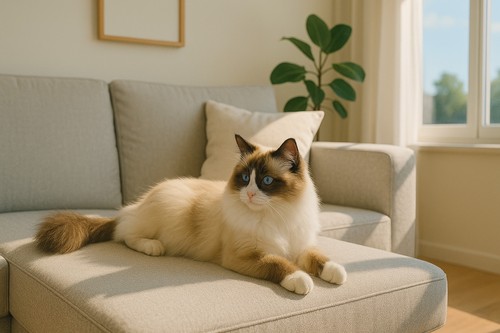
Ragdolls are adored for their docile temperament and striking blue eyes. They are affectionate lap cats, often described as “puppy-like” for their tendency to follow their owners around.
Nutrition: Moderate-calorie diet with added taurine for heart health.
Behavior: Calm, affectionate, and tolerant — perfect for relaxed households.
Health: May develop kidney issues (PKD) and heart conditions; regular screenings are recommended.
Siamese
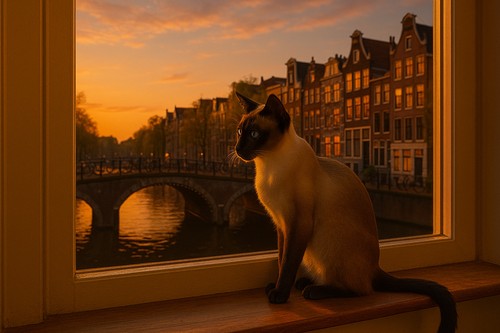
Known for their intelligence and vocal personality, Siamese cats are a lively breed popular in modern Dutch apartments. They crave attention and form deep emotional bonds with their owners.
Nutrition: High-protein, grain-free diets work best. Ensure adequate hydration.
Behavior: Social, vocal, and intelligent — great for interactive households.
Health: Prone to dental disease and respiratory issues; regular cleaning and vet visits help prevent complications.
Nutrition Needs by Breed
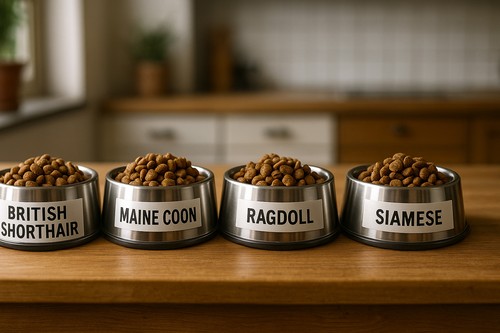
While all cats need a balance of protein, fat, and fiber, breed-specific needs vary significantly. For example:
- British Shorthair: Lower-calorie meals to prevent obesity.
- Maine Coon: Extra omega-3s for coat and joint health.
- Ragdoll: Diets supporting kidney and heart wellness.
- Siamese: Protein-rich and easily digestible food.
Behavioral Traits and Personality
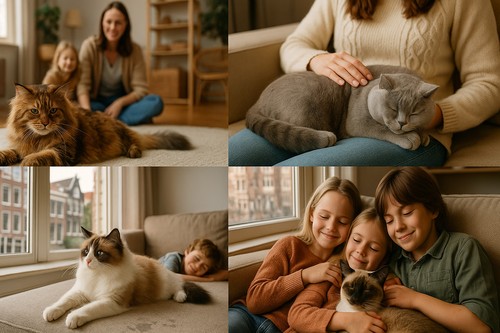
Each breed expresses distinct behavioral characteristics that align with different lifestyles:
- Independent types: British Shorthair, Ragdoll
- Playful and interactive: Maine Coon, Siamese
- Best for families: Maine Coon, Ragdoll
- Apartment-friendly: British Shorthair, Siamese
Common Health Concerns
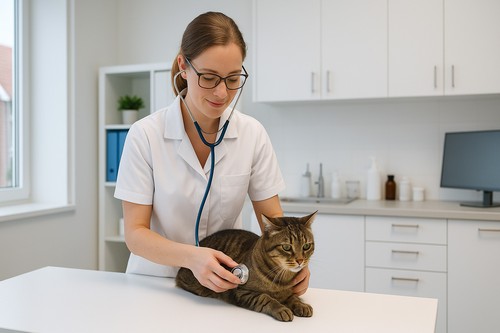
Some health issues appear more frequently in purebred cats. Early detection and regular veterinary care make a huge difference:
- British Shorthair: Heart disease, obesity
- Maine Coon: Hip dysplasia, heart problems
- Ragdoll: Kidney issues, heart disease
- Siamese: Dental and respiratory problems
How to Choose the Right Cat for You
When selecting your next feline friend, consider:
- Your space: Apartments favor smaller, calmer breeds.
- Your lifestyle: Busy owners may prefer independent cats.
- Allergies: Breeds like Siamese and Balinese shed less.
- Maintenance: Long-haired breeds need more grooming.
Ultimately, the best cat fits your daily rhythm and emotional needs.
Conclusion
Choosing the right cat breed in the Netherlands is about balancing lifestyle, space, and care commitment. Whether you prefer the calm British Shorthair or the chatty Siamese, understanding their nutrition, behavior, and health ensures a long, happy life together.
Ready to meet your perfect feline match? Visit your local Dutch shelter or ethical breeder and start your journey toward lifelong companionship.
FAQs
1. What is the most popular cat breed in the Netherlands?
The British Shorthair and Maine Coon are the most commonly owned breeds in Dutch households.
2. Which cat breeds are best for apartments?
British Shorthairs and Siamese cats adapt exceptionally well to apartment living.
3. How often should I groom my cat?
Short-haired breeds need weekly brushing, while long-haired ones like Maine Coons need daily care.
4. Are purebred cats healthier?
Not necessarily — mixed breeds often have fewer hereditary issues.
5. What should I feed my cat daily?
Choose high-quality, protein-rich food suited to your cat’s breed, age, and health.
Key Takeaways
- The Netherlands loves cats, especially British Shorthair, Maine Coon, Ragdoll, and Siamese.
- Nutrition, behavior, and health vary by breed.
- Match your cat’s personality with your lifestyle.
- Regular vet visits and balanced nutrition ensure long-term well-being.
- Always adopt from ethical sources or shelters.