Common Mistakes Pet Owners Make When Visiting the Vet
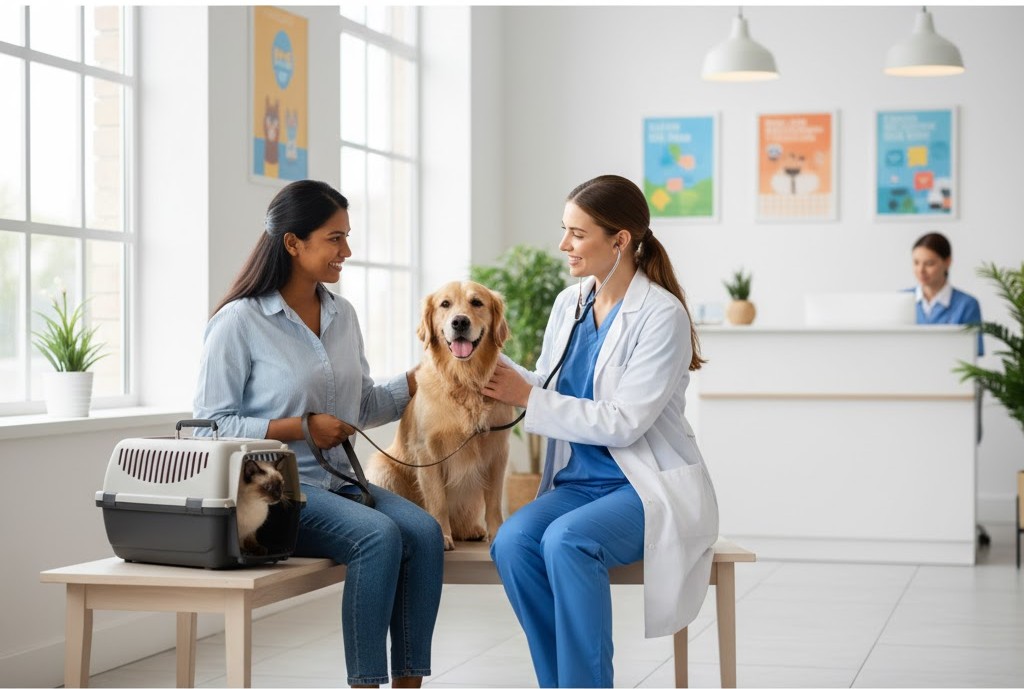
Keeping your pet healthy requires more than love and good food — it also means regular vet visits. Yet many pet owners unintentionally make mistakes that can lead to stress, miscommunication, or even health risks for their pets. This guide highlights the most common errors and how to avoid them for a smoother, more effective veterinary experience.
Table of Contents
- 1. Skipping Regular Checkups
- 2. Failing to Prepare Before the Visit
- 3. Not Sharing Full Health Information
- 4. Ignoring Pet Anxiety and Stress
- 5. Misunderstanding Vet Recommendations
- 6. Forgetting Follow-Up Care
- Key Takeaways
- FAQ
- Conclusion
1. Skipping Regular Checkups
Many pet owners wait until something is visibly wrong before visiting the vet. Routine checkups allow early detection of hidden issues like dental disease, parasites, or early-stage organ problems.
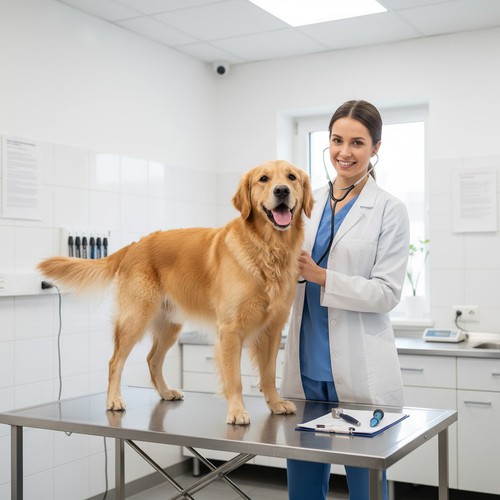
Skipping annual or biannual exams increases both treatment costs and suffering. Prevention is always easier — and cheaper — than cure.
2. Failing to Prepare Before the Visit
Preparation saves time and reduces stress for both you and your pet. Bring vaccination records, medication lists, and note any changes in behavior or appetite.

Avoid feeding your pet right before travel, especially if car rides cause nausea. Cats often benefit from familiar-smelling blankets in carriers.
3. Not Sharing Full Health Information
Some owners withhold details, thinking they’re irrelevant or embarrassing (e.g., feeding table scraps or missing flea treatments). This limits your vet’s ability to diagnose accurately.
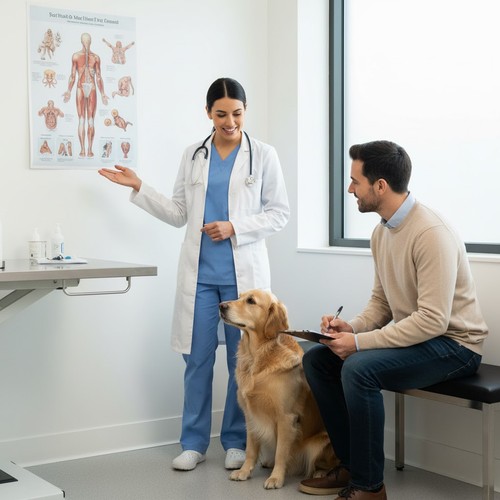
Be honest. Transparency ensures the vet can assess lifestyle-related risks and recommend realistic treatments.
4. Ignoring Pet Anxiety and Stress
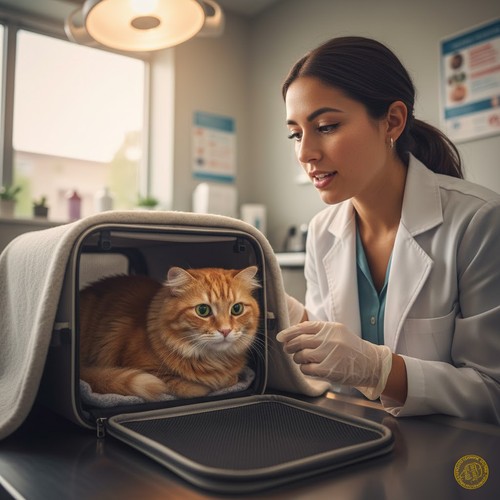
Anxious pets can make the visit difficult. Some owners overlook signs of fear like trembling, panting, or hiding. Reducing anxiety improves the experience for everyone.
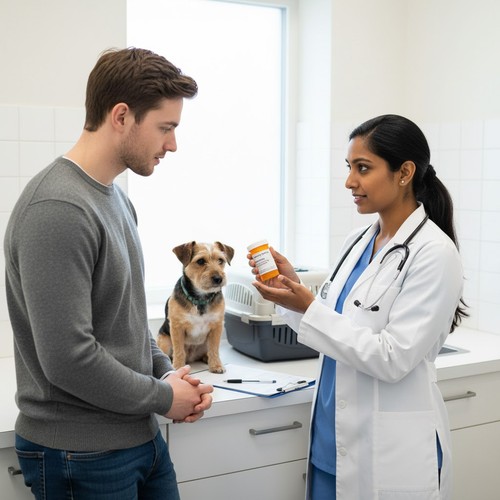
5. Misunderstanding Vet Recommendations
Owners sometimes skip prescribed treatments or stop medications early when the pet “looks better.” This can cause relapse or resistance, especially with antibiotics.
6. Forgetting Follow-Up Care
Post-visit care is critical. Missed follow-ups can undo progress or hide recurring issues. Always mark follow-up dates and monitor your pet’s recovery.
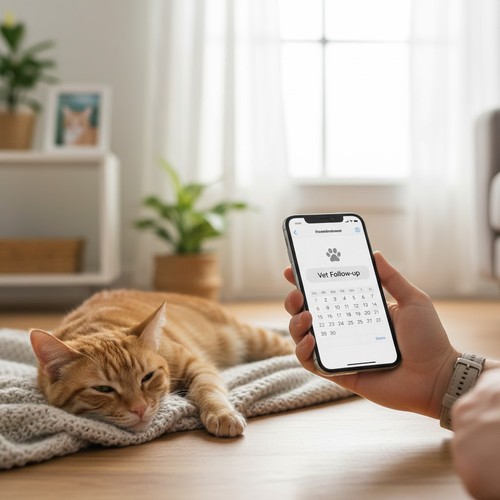
Follow-up calls or messages can confirm if treatment is effective or needs adjustment.
Key Takeaways
| Mistake | Why It Matters | Quick Fix |
|---|---|---|
| Skipping checkups | Missed early warning signs | Schedule routine visits |
| Poor preparation | Wasted time, incomplete exams | Bring records, notes |
| Hiding info | Wrong diagnosis | Be honest and open |
| Ignoring stress | Harder exams | Use calming techniques |
| Misunderstanding advice | Treatment failure | Ask questions |
| Skipping follow-ups | Missed complications | Track and return |
FAQ
1. How often should my pet see the vet?
At least once a year for healthy adults, twice for seniors or pets with chronic conditions.
2. Can stress harm my pet during vet visits?
Yes. Stress raises heart rate and blood pressure, which can distort diagnostic results.
3. Is it okay to Google symptoms before the vet?
You can, but use it only for awareness — never as a substitute for professional care.
4. What should I do if my pet fears the vet?
Desensitize through short, positive clinic visits and consult your vet for calming options.
5. Should I tell the vet about my pet’s diet?
Always. Diet affects energy, weight, and long-term health.
Conclusion
A successful vet visit depends on preparation, honesty, and follow-up. Avoiding these common mistakes helps your pet get better care and live a longer, healthier life. Stay informed and proactive — your pet’s well-being depends on it.