
Best Diet for Indoor Cats: Complete Nutrition Guide for Healthy Indoor Cats
Best Diet for Indoor Cats: A Complete Nutrition Guide
Indoor cats live very different lives compared to outdoor cats. They move less, burn fewer calories, and rely entirely on their owners for food choices. Because of this, nutrition becomes one of the most important factors in maintaining their long-term health.
Many pet owners assume that any commercial cat food will meet their cat’s needs. However, research shows that a large percentage of indoor cats are either overweight or lacking essential nutrients.
Understanding the best diet for indoor cats can help prevent obesity, digestive problems, and chronic diseases while supporting energy levels and overall wellbeing.

Why Indoor Cats Need a Different Diet
Indoor cats typically live a more sedentary lifestyle. They spend more time resting, sleeping, and observing their surroundings rather than hunting or exploring outdoors.
Because of this, their calorie needs are significantly lower.
When indoor cats consume more calories than they burn, the extra energy is stored as fat. Over time this can lead to several health problems.
Common health risks for indoor cats include:
- Obesity
- Diabetes
- Digestive issues
- Joint stress
- Reduced mobility
The goal of a healthy indoor cat diet is to balance calorie intake while still providing enough nutrients for muscle maintenance, immune support, and daily activity.
Proper daily care also plays a major role in preventing health problems.
You can explore additional practical tips in our guide
Essential Cat Care Tips for Every Owner.
Key Nutrients Indoor Cats Need
A healthy indoor cat diet must contain several essential nutrients.
If you want to understand the foundations of balanced feeding, you can also read our guide on
Understanding Pet Nutrition: Balancing Your Pet’s Diet for a Healthier Life.
High-Quality Protein
Cats are obligate carnivores, meaning their bodies depend heavily on animal protein to function properly.
Protein supports:
- muscle maintenance
- immune health
- energy metabolism
- satiety after meals
Common high-quality protein sources include:
- chicken
- turkey
- fish
- beef
Healthy Fats
Fats provide concentrated energy and help maintain healthy skin and coat quality.
Important fatty acids include:
- Omega-3
- Omega-6
These nutrients help reduce inflammation and support brain and heart health.
Fish oil and animal fats are common sources found in quality cat food.
Controlled Carbohydrates
Unlike humans, cats do not require large amounts of carbohydrates.
Some commercial cat foods contain fillers such as corn, wheat, or soy. While small amounts are acceptable, excessive carbohydrates may contribute to weight gain.
For indoor cats, moderate carbohydrate levels combined with high protein intake provide the best nutritional balance.
Essential Vitamins and Minerals
Cats require several micronutrients including:
- Taurine
- Vitamin A
- Vitamin D
- Calcium
- Phosphorus
Taurine is particularly important because cats cannot produce enough of it naturally. A deficiency can lead to serious heart and vision problems.
According to the AAFCO feline nutrition guidelines, balanced cat diets must contain these essential nutrients.
AAFCO feline nutrition guidelines
How Many Calories Does an Indoor Cat Need?
Calorie needs depend on several factors including weight, age, and activity level.
However, most indoor cats require approximately:
180–220 calories per day
Older cats or cats with very low activity levels may require fewer calories.
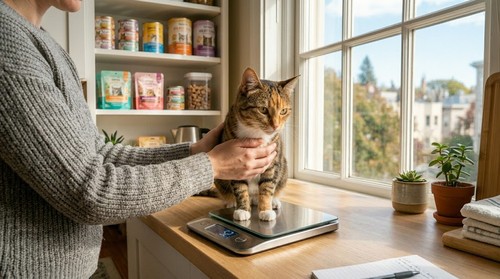
Maintaining portion control is one of the most important steps in preventing obesity.
Signs Your Indoor Cat May Be Overweight
Weight gain often happens gradually, making it difficult for owners to notice early changes.
Common warning signs include:
- loss of visible waistline
- difficulty jumping
- reduced activity
- fat around the abdomen
- heavy breathing after mild activity
If these symptoms appear, adjusting food portions and encouraging activity can help restore a healthy weight.
If you’re worried about weight gain, you may also want to read
Prevent Pet Obesity with AI,
where we explain how technology can help monitor your pet’s weight and nutrition more accurately.
Wet Food vs Dry Food for Indoor Cats
One of the most common questions among cat owners is whether wet or dry food is better.
Both options can support a healthy diet if chosen carefully.
Wet Food
Wet food contains more moisture and typically higher protein levels.
Benefits include:
- improved hydration
- lower carbohydrate levels
- easier digestion
Dry Food
Dry food is convenient and affordable but may contain higher carbohydrate levels.
If choosing dry food, select brands where real meat is listed as the primary ingredient.
The Future of Personalized Pet Nutrition
Every cat has unique nutritional needs based on breed, age, activity level, and medical history.
For this reason, personalized nutrition is becoming a major trend in modern pet care.
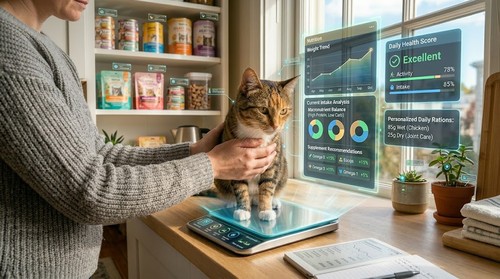
AI-driven platforms like FAMMO help analyze pet data and generate tailored health insights.
These tools help pet owners make smarter feeding decisions based on real data rather than guesswork.
Conclusion
Indoor cats depend entirely on their owners to provide balanced nutrition.
A diet rich in high-quality protein, healthy fats, essential nutrients, and controlled calories can significantly improve a cat’s health and longevity.
By understanding the nutritional needs of indoor cats, pet owners can help their companions live longer, healthier, and happier lives.
For deeper insights into your cat’s diet and lifestyle, tools like FAMMO AI pet health insights can provide personalized recommendations based on your pet’s unique profile.