
How AI Detects Hidden Diseases in Pets Sooner
Table of Contents
- Introduction: AI Meets Pet Health
- How AI Detects Hidden Diseases
- Examples of Smart Veterinary Tools
- Benefits of Early Detection
- Challenges and Ethical Considerations
- Future of AI in Pet Healthcare
- Key Takeaways
- FAQ
Introduction: AI Meets Pet Health
Artificial intelligence has quietly become the veterinarian’s most powerful assistant. By analyzing massive amounts of medical data, AI can detect subtle changes in a pet’s behavior, breathing, or appearance that humans might overlook. This early warning system means diseases—from diabetes to heart conditions—can be treated before they become severe.
How AI Detects Hidden Diseases
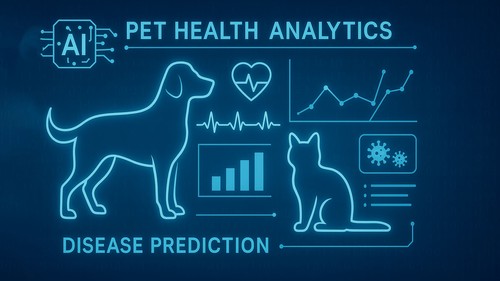
AI-driven algorithms are trained on millions of veterinary records and images. They identify correlations between minor symptoms and serious diseases, often long before these signs are visible to owners or vets.
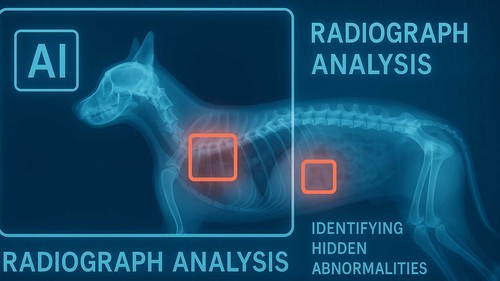
According to research from the American Veterinary Medical Association (avma.org), AI image recognition systems can detect up to 95% of subtle abnormalities in X-rays that humans miss. Another study from Cornell University’s College of Veterinary Medicine found AI models predicting feline kidney disease six months before clinical symptoms appeared.
Examples of Smart Veterinary Tools
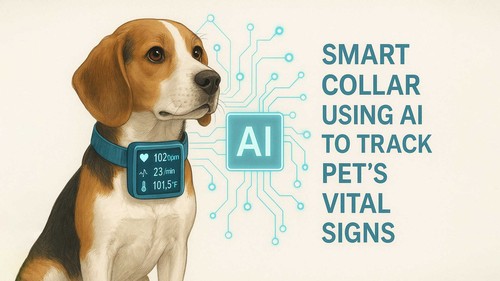
Several startups are developing smart collars and wearable biosensors for pets. These devices track activity, heart rate, and temperature continuously, sending data to AI systems that flag irregular patterns.
AI-enabled imaging tools are also making diagnosis faster. Companies like Vetology AI and AnimalBiome use machine learning to interpret scans and analyze microbiome data, enabling personalized treatment plans.
Benefits of Early Detection
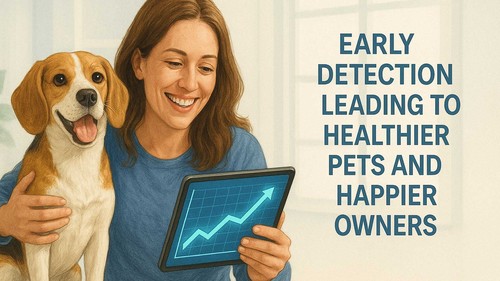
Early disease detection through AI not only improves a pet’s life expectancy but also reduces treatment costs and emotional stress for owners. Preventive care becomes more effective when supported by accurate, real-time data.
Challenges and Ethical Considerations
AI is not infallible. Incorrect data or poor training can lead to false positives. Ethical concerns also arise regarding privacy of data collected by pet devices. According to the European PetTech Association (europets.org), establishing clear standards for AI accuracy and transparency is essential before mass adoption.
Future of AI in Pet Healthcare
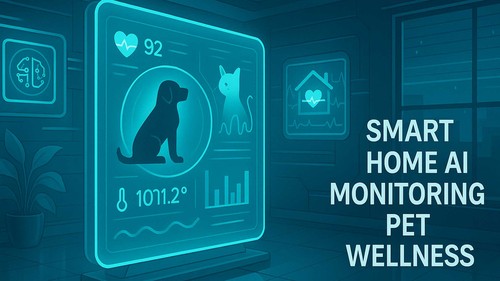
The next generation of AI systems will integrate with smart homes, allowing seamless health monitoring for pets. Imagine a home camera that notices your dog limping slightly or a litter box that alerts you to a cat’s urinary issue. These small insights could mean earlier treatments and better outcomes.
Key Takeaways
- AI detects diseases before symptoms appear.
- Early intervention increases survival and lowers treatment costs.
- Data privacy and accuracy remain critical challenges.
- Future tools will integrate pet health monitoring with smart homes.
FAQ
1. Can AI replace veterinarians?
No. AI assists vets by providing faster, data-driven insights but cannot replace human expertise or empathy.
2. How accurate are AI pet diagnostic tools?
Some models reach 90–95% accuracy, but results depend on the data quality and the type of illness.
3. Is AI pet monitoring expensive?
Costs are dropping rapidly, especially with wearable devices and subscription models.
4. What diseases can AI detect early?
Common examples include kidney disease, diabetes, heart disease, and joint disorders.
5. How is my pet’s data protected?
Reputable companies anonymize and encrypt all health data to ensure owner and pet privacy.
References:
- American Veterinary Medical Association
- Cornell University Veterinary Medicine
- The European Pet Organization